
Lead(II) oxide (PbO): properties, forms, uses, production and safety
Lead(II) oxide (PbO), called litharge or massicot, is the common +2 oxide of lead. It occurs in two crystalline forms, is used in glass, ceramics and pigments, and is toxic — regulated handling is required.
Lead(II) oxide, chemical formula PbO, is the principal oxide of lead in the +2 oxidation state and is known by the historical names litharge and massicot. It occurs both as an industrial material and as natural minerals formed in oxidized zones of lead deposits. The compound is an important intermediate in producing a variety of lead salts and materials and is frequently described in technical data sheets and regulatory summaries (technical reference).
Image gallery
10 Images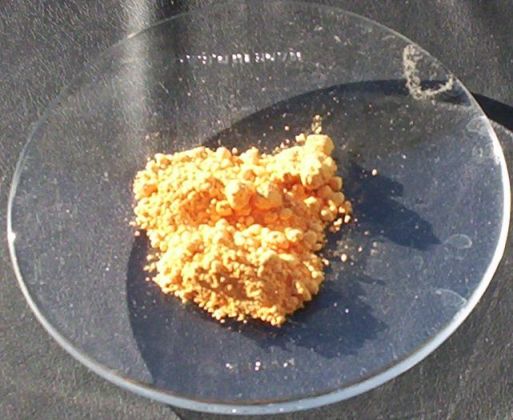



Physical forms and structure
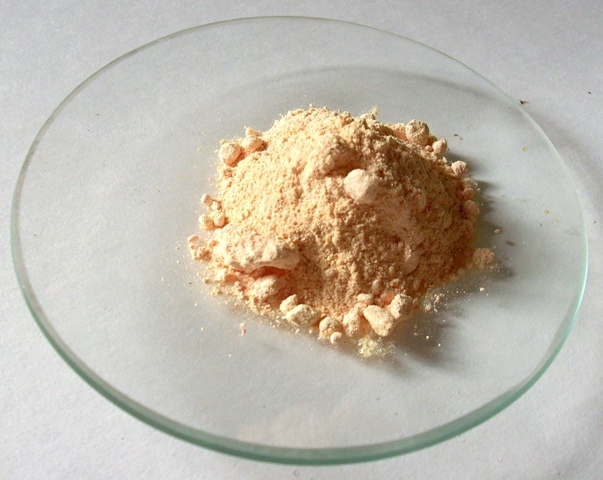
PbO commonly exists in two crystalline polymorphs that differ in color and crystal symmetry: one form is typically yellow to yellow-brown and the other is red to red-brown. These polymorphs have distinct lattice arrangements that influence properties such as density and refractive index, which in turn affect applications in glass and glazes. PbO is sparingly soluble in water but more reactive with acids and strong bases.
Chemical behaviour and reactions
As a source of Pb(II) cations and oxide anions, lead(II) oxide reacts with acids to give soluble lead(II) salts and with strong bases to form complex plumbite species, illustrating its partly amphoteric character. It can be reduced to metallic lead under suitable conditions or further oxidized or converted to other lead oxides used in pigments and corrosion-resistant coatings. For laboratory handling and reactivity notes consult product and safety literature (safety summary).
Production and historical use
Historically PbO was produced by heating lead metal in air or by roasting primary lead ores. In traditional glassmaking and ceramic glazes, additions of PbO modify the optical and physical properties of silicate melts, increasing refractive index and improving gloss. Industrial production today follows controlled thermal and chemical routes to obtain the desired polymorph and purity for specific applications.
Applications
- Glass and ceramics: used to produce lead glass and to formulate glazes with high refractive index and smooth surfaces.
- Pigments: a component in historical paints and ceramic colors, and a precursor to other lead-containing pigments.
- Chemical intermediate: starting material for many lead(II) salts and for certain metallurgical processes.
- Specialized uses: limited roles in some battery and electronic materials under strict controls and specifications.
More detailed technical specifications and supplier data for particular uses are available from manufacturers and industrial sources (industrial literature).
Health, handling and environmental considerations
Lead(II) oxide is toxic by inhalation or ingestion and contributes to lead exposure when particles or dust are released. It is persistent in the environment and lead accumulates in biological systems; for these reasons its use is regulated and many applications have been reduced or replaced. Safe handling requires engineering controls, appropriate personal protective equipment, workplace monitoring, and compliance with disposal and transport regulations. For regulatory guidance and recommended precautions consult official sources (regulatory guidance).
Related articles
Author
AlegsaOnline.com Lead(II) oxide (PbO): properties, forms, uses, production and safety Leandro Alegsa
URL: https://en.alegsaonline.com/art/56753