
Lead(II) sulfide (PbS)
Lead(II) sulfide, PbS, is a dense, black inorganic compound with a rock-salt structure; it occurs as the mineral galena and is a narrow‑gap semiconductor used historically in detectors and in infrared devices.
Overview
Lead(II) sulfide is the inorganic compound with the formula PbS. It is a dense, black solid that combines lead in the +2 oxidation state with sulfide ions. The mineral form, galena, is the principal ore of lead and was widely mined for centuries. As a chemical substance, PbS is notable both for its mineral importance and for its electronic properties as a narrow‑gap semiconductor. For a brief reference see PbS.
Image gallery
4 Images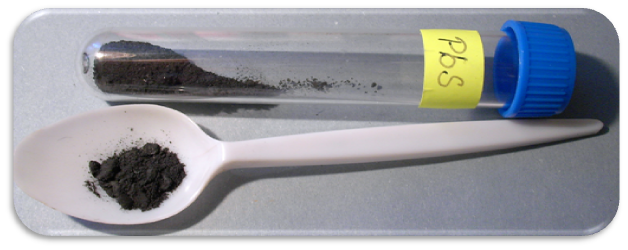


Physical and chemical properties
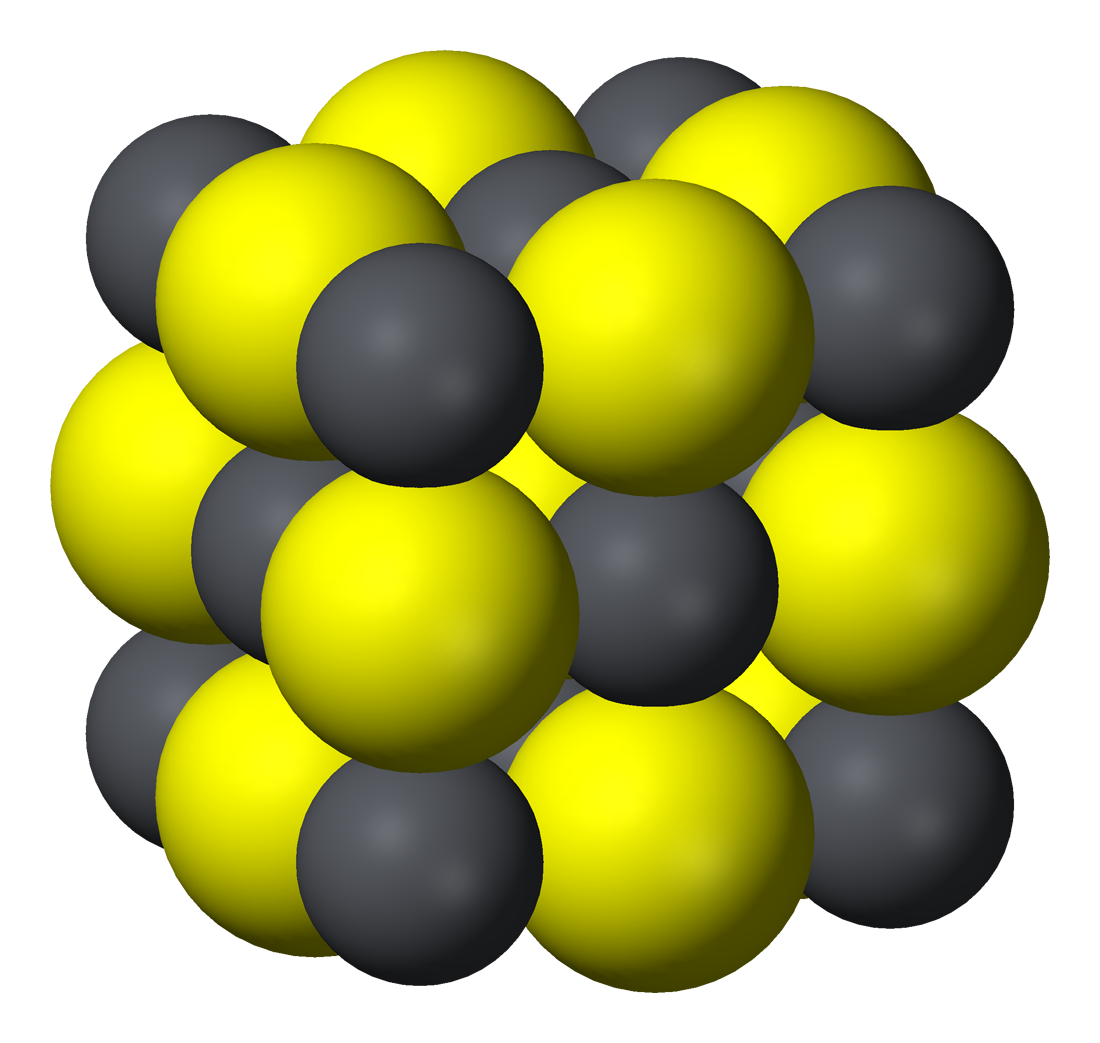
PbS crystallizes in the cubic rock‑salt (NaCl) structure. It is largely insoluble in water and appears as a lustrous, opaque black or gray material. Electronically, PbS has a small band gap that places its absorption and electronic activity in the infrared region, which underlies many of its technological uses. Chemically, it behaves like a typical metal sulfide: it can be formed by combining sulfide sources with soluble lead(II) salts and can be oxidized to lead oxides or sulfates under strong oxidative conditions. For chemical data see properties.
Occurrence and historical notes
Galena, the natural form of lead(II) sulfide, is the most important ore for lead extraction and often contains silver as a valuable byproduct. Historically, small pieces of galena were used as primitive semiconductor detectors in early radio receivers (the "cat's whisker" detector), exploiting PbS's rectifying behavior. Mining and metallurgy of galena have shaped economies and technologies from ancient times through the industrial era. Further reading: galena and history.
Preparation and uses
Laboratory preparation of PbS typically involves passing hydrogen sulfide or sulfide ions into a solution of a soluble lead(II) salt, yielding a black precipitate of lead(II) sulfide. Modern applications exploit its infrared sensitivity: thin films and nanocrystals of PbS are employed in photodetectors, thermal imaging, and research on infrared photovoltaics. PbS is also studied in materials science for quantum‑confined nanoparticles where size alters electronic behavior. Practical and historical uses are summarized at applications.
Safety and distinctions
Like all lead compounds, lead(II) sulfide is toxic if ingested or if dust is inhaled; strict precautions apply during handling and disposal. It should be distinguished from other lead compounds such as lead(II) oxide (PbO) and lead(II) sulfate (PbSO4), which have different solubilities, colors, and chemical reactivity. PbS's combination of mineral significance and semiconductor behavior makes it a compound of both industrial and academic interest.
Related articles
Author
AlegsaOnline.com Lead(II) sulfide (PbS) Leandro Alegsa
URL: https://en.alegsaonline.com/art/56755