
Lead(IV) oxide (lead dioxide, PbO2)
Lead(IV) oxide (PbO2) is a dark brown, crystalline inorganic oxidizer used mainly in lead–acid batteries and electrochemical electrodes; it is toxic and regulated for environmental and safety reasons.
Overview
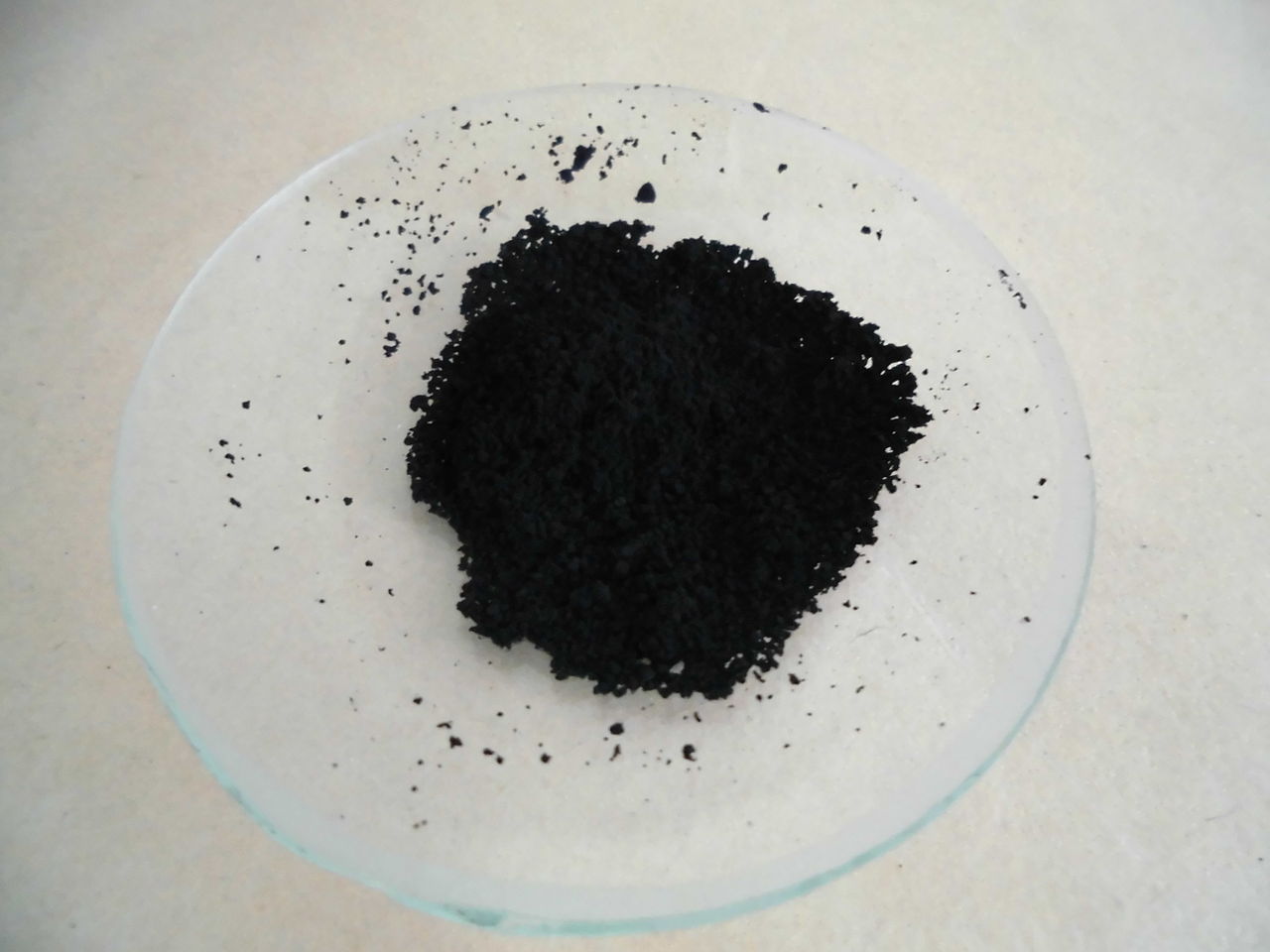
Lead(IV) oxide, commonly called lead dioxide and written PbO2, is an inorganic compound in which lead is in the +4 oxidation state. It appears as a dark brown to nearly black powder or coating and functions as a powerful oxidizing agent. For a general definition of the substance see chemical compound, and for descriptions of oxidation states consult oxidation state.
Image gallery
5 Images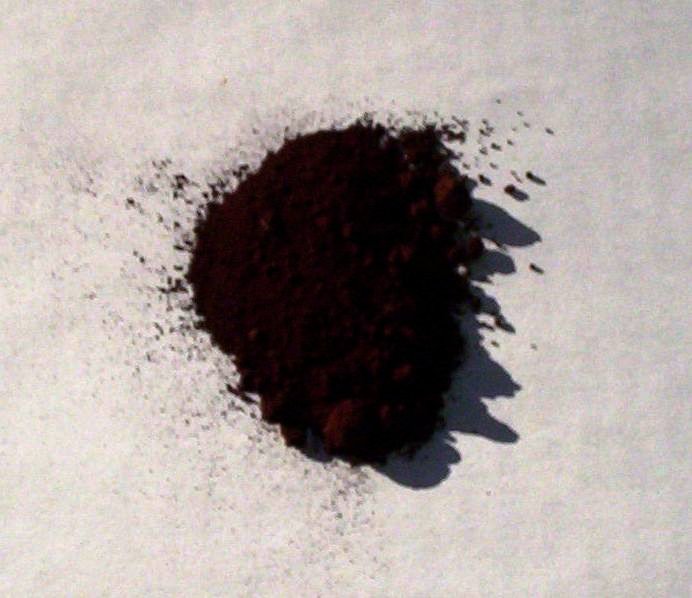


Properties and structure
PbO2 is electrically conductive when in dense form and exists in more than one crystalline modification (polymorphs). It is essentially insoluble in water and is chemically distinct from lead(II) oxide (PbO). As an oxidizer it accepts electrons from reducing agents and organic matter, which is one reason it can participate in vigorous or hazardous reactions. Its typical appearance and oxidizing behavior are summarized in many technical references on oxidizing agents.
Preparation and reactions
Industrial and laboratory samples of lead dioxide are commonly produced by oxidizing lead(II) compounds or by electrochemical deposition onto conductive substrates. In electrochemistry, PbO2 can be formed on an anode by anodic oxidation of lead salts. Chemically it is reduced to lower oxidation-state lead species (for example Pb2+) when it reacts with strong reducing agents or during the discharge cycle in batteries.
Uses and applications
- Lead–acid batteries: PbO2 is the active material on the positive plate and participates in reversible conversion to lead sulfate during discharge and charge; see lead–acid battery descriptions for context.
- Electrodes and coatings: used in specialized anodes for electrochemical oxidation and wastewater treatment.
- Laboratory oxidant: employed in some controlled organic and inorganic oxidation reactions.
Safety, disposal and environmental concerns
Lead dioxide is toxic and poses risks if inhaled, ingested or released to the environment. Like other lead compounds it is subject to regulation because of its persistence and potential to cause neurological and systemic harm. Handling requires appropriate protective equipment, and waste containing PbO2 must be managed under hazardous-waste rules to avoid soil and water contamination.
Distinguishing facts
PbO2 should not be confused with PbO (lead(II) oxide) or with organic lead species. Its role in the lead–acid battery and its oxidizing character are the most practically important attributes; its manufacture and use are shaped by both technical needs and regulatory controls related to lead toxicity.
Related articles
Author
AlegsaOnline.com Lead(IV) oxide (lead dioxide, PbO2) Leandro Alegsa
URL: https://en.alegsaonline.com/art/56758