
Lead(II,IV) oxide (lead tetroxide, red lead)
Lead(II,IV) oxide (Pb3O4), commonly called red lead or minium, is a red-orange inorganic pigment and industrial lead oxide containing both Pb(II) and Pb(IV); used historically in paints, glass, and batteries.
Lead(II,IV) oxide is an inorganic compound with the formula Pb3O4. It is commonly known as red lead or minium and appears as a bright red to orange crystalline powder. Chemically it is unusual because a single stoichiometric compound contains lead in two oxidation states: two Pb(II) ions and one Pb(IV) ion per formula unit. This mixed-valence character gives the material its distinctive color and reactivity.
Image gallery
4 Images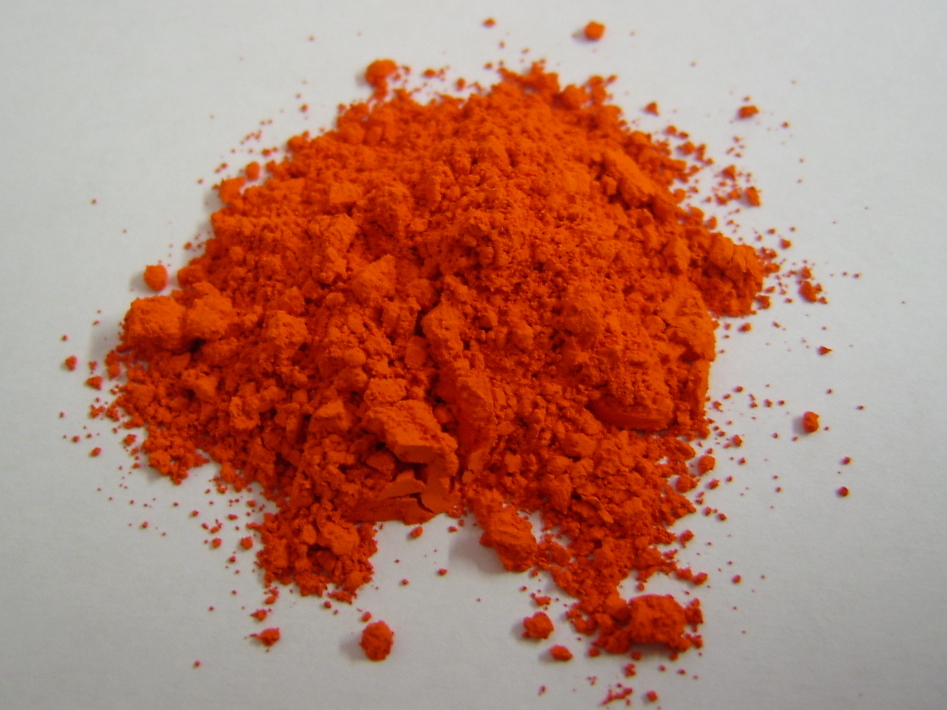

Composition and properties
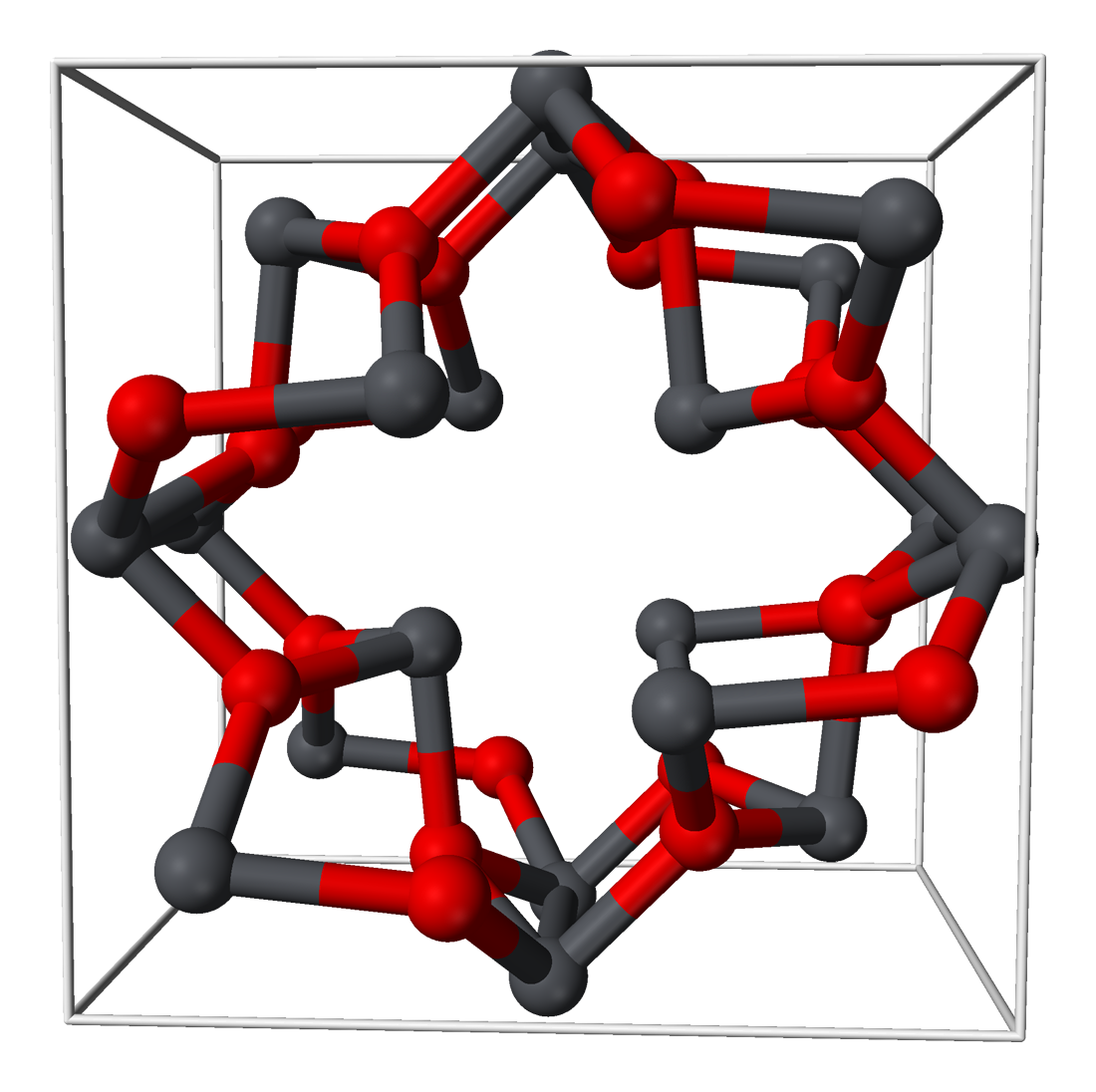
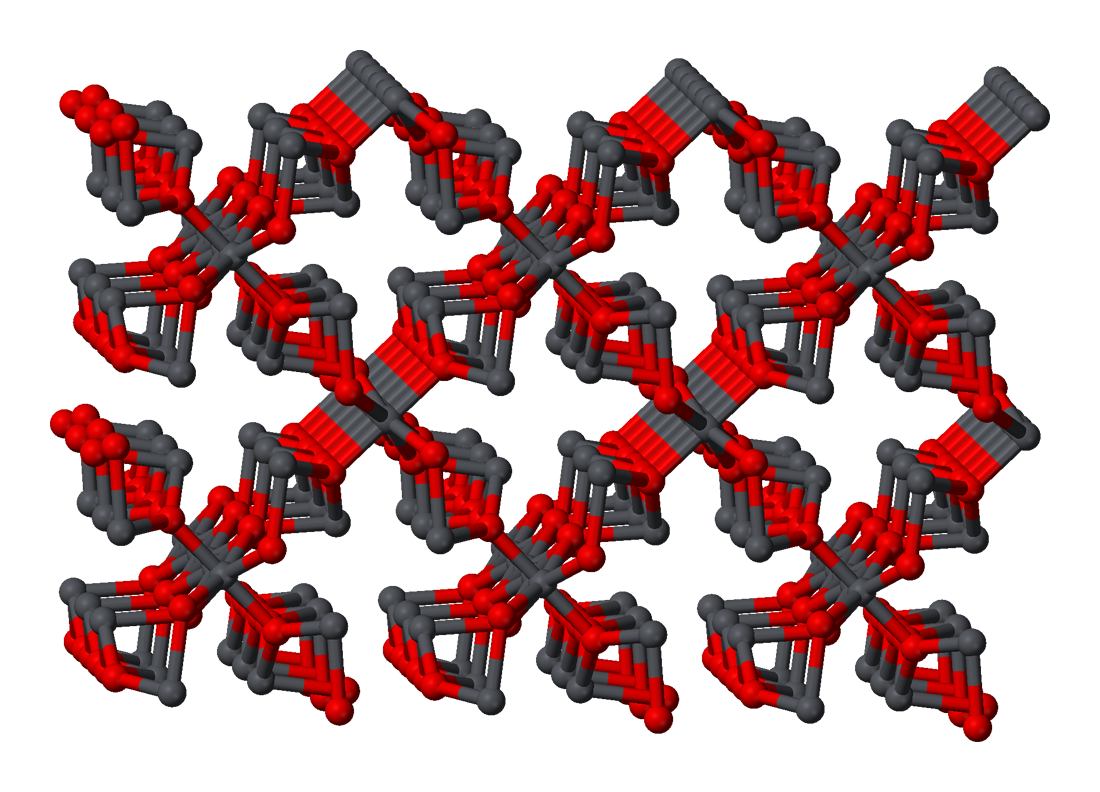
Pb3O4 is often described conceptually as a combination of lead(II) oxide (PbO) and lead(IV) oxide (PbO2) rather than a simple one-valence oxide. It is insoluble in water but will react with acids to produce soluble lead salts. The powder is brittle and crystalline; it is stable under ordinary conditions but can be reduced to other lead oxides or oxidized further under strong chemical treatments. Because it contains lead, it is toxic and must be handled with appropriate safety precautions.
History and production
Red lead has a long history as a pigment and preservative. It was used in antiquity and throughout the Middle Ages as a pigment in manuscript illumination and later as a component of protective paints and primers for ironwork. Industrially, lead(II,IV) oxide is produced by heating lead(II) oxide in air at elevated temperature until partial oxidation yields the mixed oxide. Alternative preparations and refinements are used commercially to obtain materials with controlled particle size and purity.
Uses and applications
- Historically and commercially used as a pigment called red lead or minium in paints and primers, particularly for corrosion protection of iron and steel.
- Used in the manufacture of lead-based glass and ceramic glazes to modify color and opacity.
- Used in some formulations for lead-acid battery plates and in the synthesis of other lead compounds.
- Occasional use in specialty chemical processes where its redox properties are required.
Health, environmental and legal considerations
Because Pb3O4 contains lead, it poses health risks by ingestion or inhalation. Lead compounds can cause neurological, developmental and other systemic toxic effects, so many jurisdictions restrict or ban its use in consumer paints and limit occupational exposure. Disposal and recycling of materials containing lead(II,IV) oxide must follow regulatory guidance to avoid environmental contamination.
Related topics and distinctions
Lead(II,IV) oxide should not be confused with lead(II) oxide (litharge or massicot) or lead(IV) oxide (lead dioxide); each has distinct properties and uses. For further technical information see general references on inorganic lead compounds and oxidation states: lead compounds overview, oxidation states of lead, and details on laboratory preparation and handling: preparation and safety.
Synonyms: red lead, minium, lead tetroxide, triplumbic tetroxide. Handle with care and consult current safety regulations before use.
Related articles
Author
AlegsaOnline.com Lead(II,IV) oxide (lead tetroxide, red lead) Leandro Alegsa
URL: https://en.alegsaonline.com/art/56756