
Lava dome
A lava dome is a steep, rounded volcanic mound formed by the slow extrusion of highly viscous lava; it poses collapse and explosive hazards and offers insight into magma composition and behaviour.
Overview
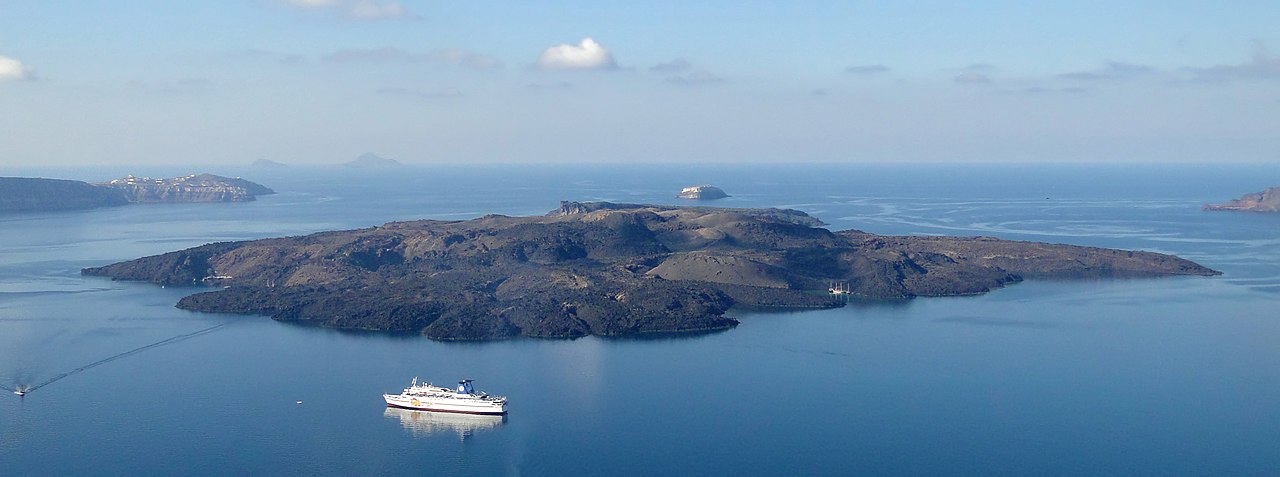
A lava dome, sometimes called a plug dome, is a rounded, often steep-sided mound that forms when highly viscous lava accumulates above a volcanic vent rather than flowing away. In the study of volcanology, lava domes are recognized as the surface expression of magma that is rich in silica and resists easy movement. The process of dome growth is a type of eruption that can be slow and ongoing or episodic and abrupt.
Image gallery
8 Images



Characteristics
Domes vary widely in size, shape and internal texture. Their outer crust commonly breaks into angular blocks while hotter material continues to extrude beneath. Typical characteristics include high viscosity, steep flanks, and the potential for a glassy or blocky surface. Magma types that form domes are often andesitic to rhyolitic and therefore more resistant to flow; this behaviour is linked to the lava's viscous nature.
- Slow extrusion: growth measured in days to years.
- Steep, blocky or spiny surface morphology.
- Commonly associated with explosive or collapse-related hazards.
Structure and behaviour
Internally, domes can contain a dense core overlain by a fragmented outer carapace. Features include spines or lava plugs that push up as the interior continues to deform, and talus deposits formed by frequent small collapses. Molten material may remain active near the base or within fissures, producing slow extrusion or sudden dome growth followed by instability of the outer shell.
Hazards and examples
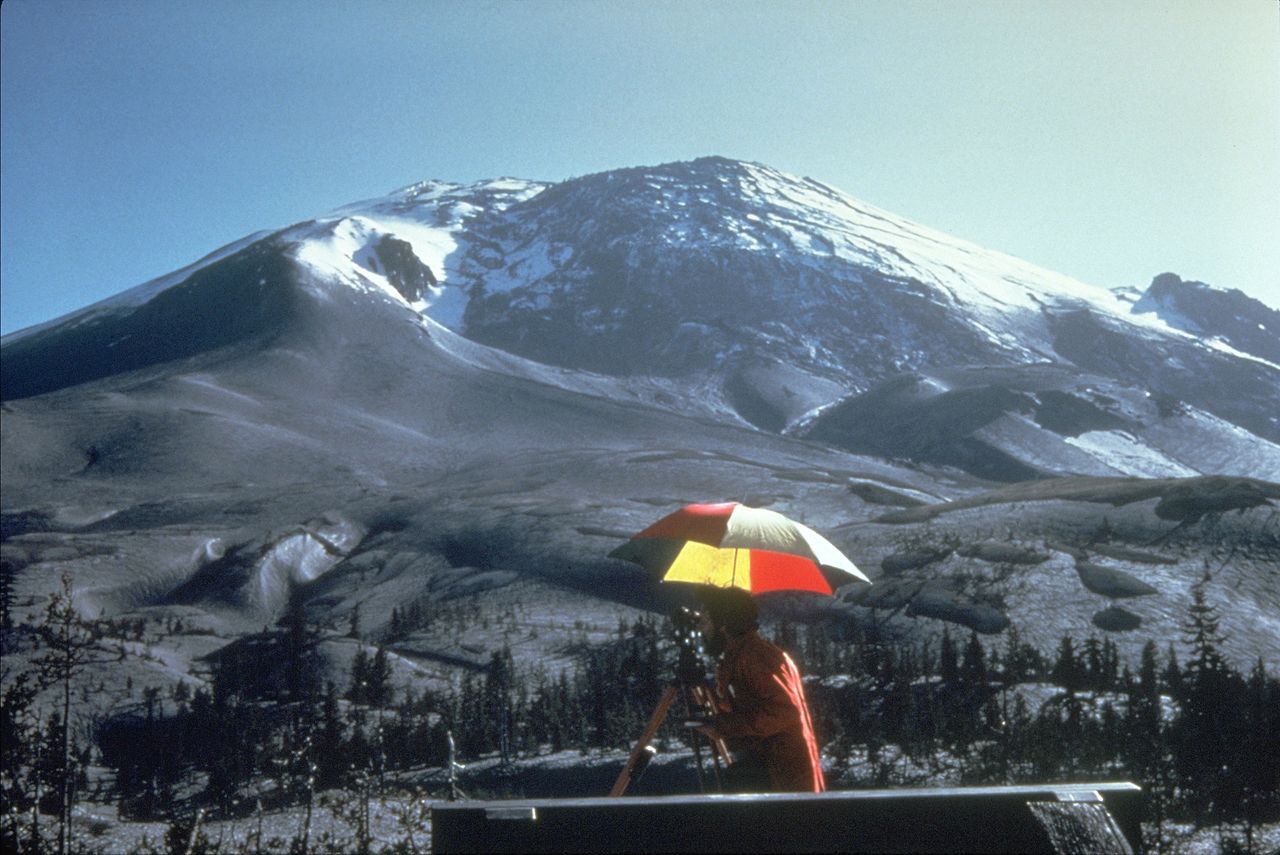
Lava domes can be hazardous because collapse of oversteepened flanks can generate pyroclastic flows, and pressurised gases trapped beneath the dome can trigger explosive events. Notable recent examples of dome activity include the post-1980 dome at Mount St. Helens and periodic dome growth observed at Shinmoedake. Monitoring of dome deformation, gas emissions and seismicity is critical for hazard assessment.
Importance and distinctions
Studying lava domes helps volcanologists infer magma composition, viscosity and subsurface plumbing. Domes differ from more fluid lava flows by their restricted spread and steeper profiles; they are also distinct from pyroclastic cones or shield volcanoes in both formation process and associated risks. For further reading, consult specialized volcanology resources and monitoring reports from active volcanic regions.
Related articles
Author
AlegsaOnline.com Lava dome Leandro Alegsa
URL: https://en.alegsaonline.com/art/56349