
Volcanic eruption: causes, types, hazards and global significance
A volcanic eruption releases molten rock, ash and gases from beneath Earth’s crust. This article explains mechanisms, eruption styles, hazards, monitoring and the geological and societal importance of eruptions.
Overview
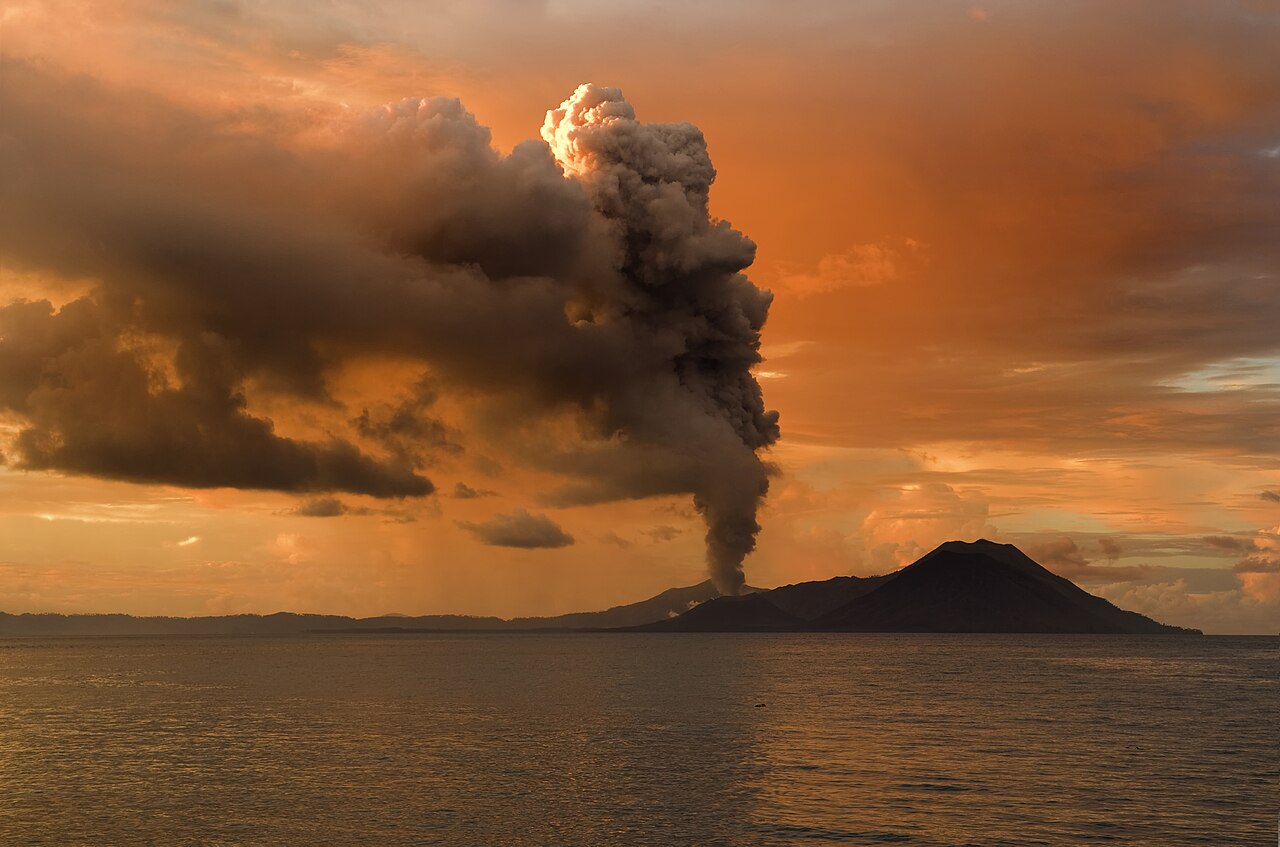
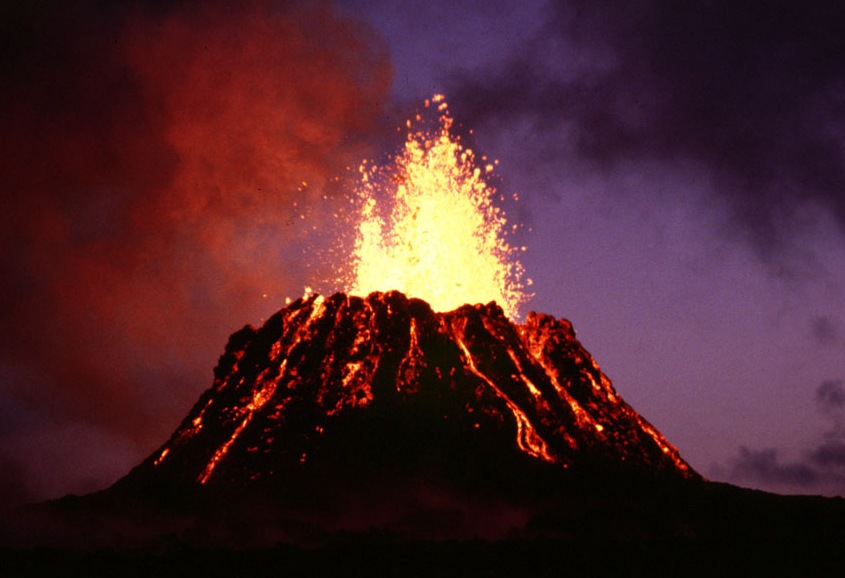
A volcanic eruption is the surface expression of molten rock (magma) and associated materials escaping from beneath Earth’s crust. When magma reaches the surface it is called lava; during an eruption a volcano may emit lava flows, fragments of solid rock (tephra and ash), gases, and hot mixtures such as pyroclastic flows. Activity can originate from a summit vent, a flank vent, or along fissures. Eruptions range from quiet, slow-moving effusive outpourings to sudden, highly explosive events.
Image gallery
10 Images


Mechanisms and types
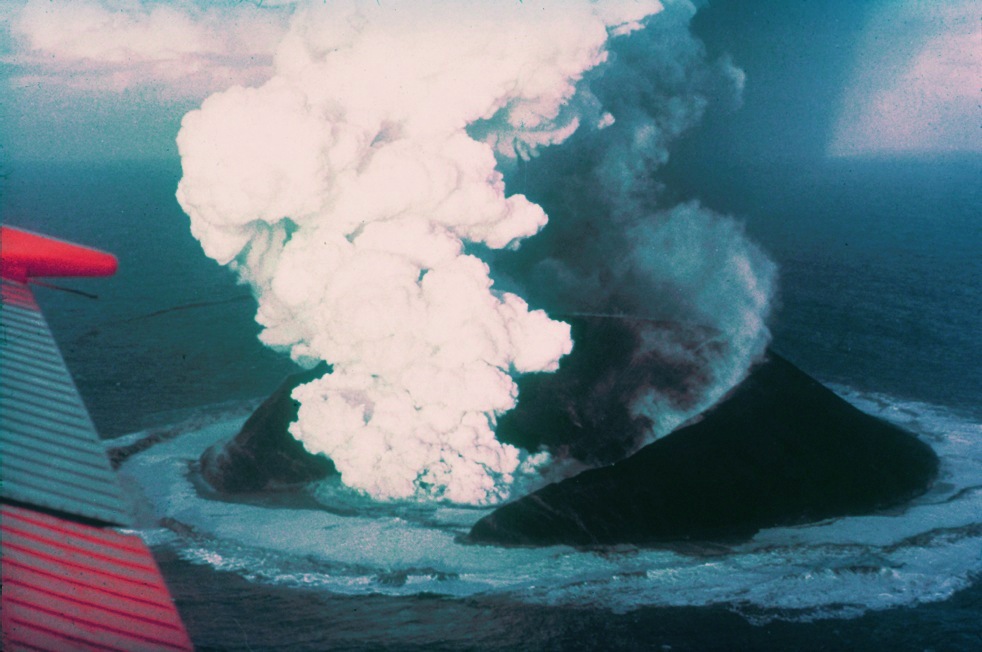
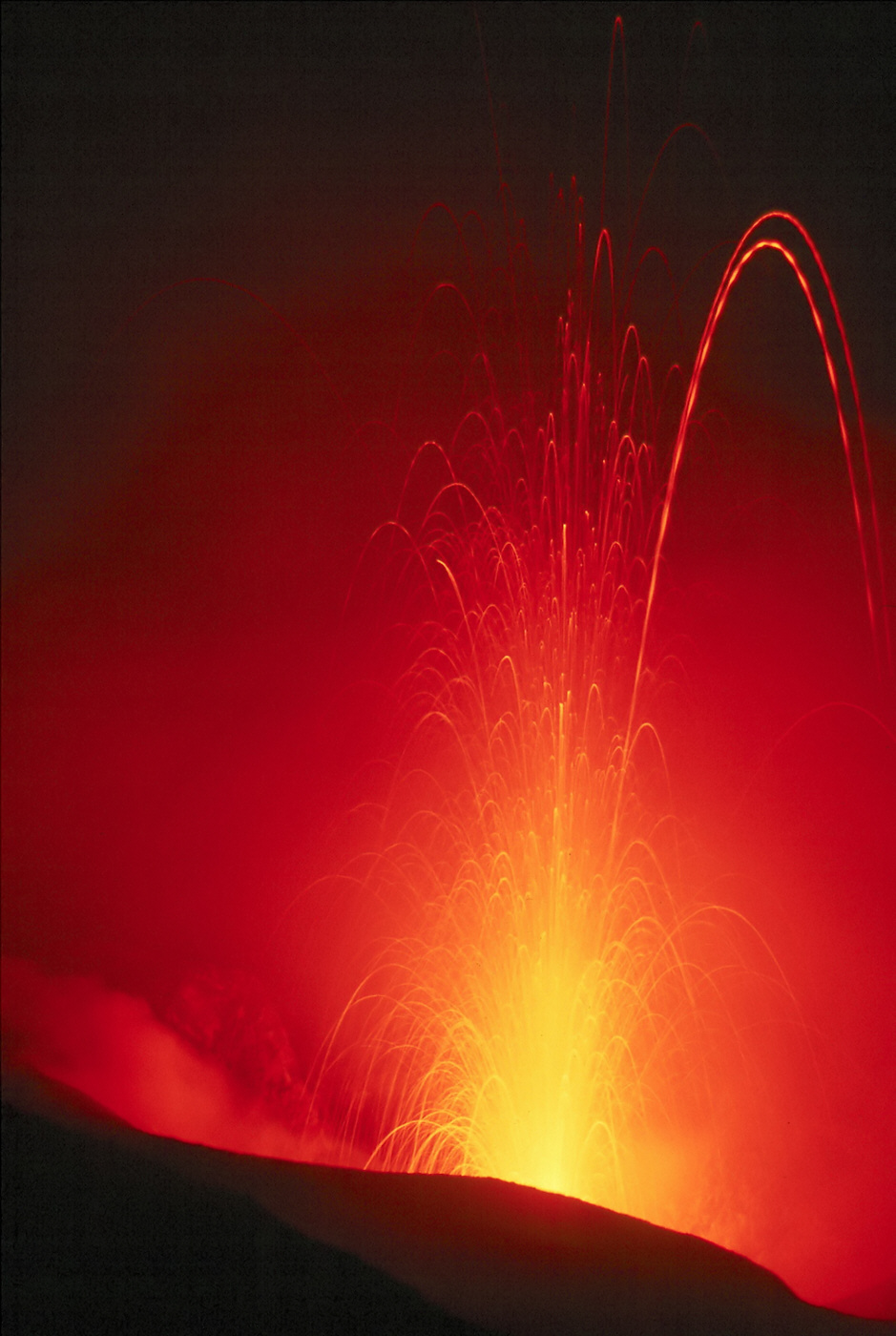
The style of an eruption depends primarily on magma composition, temperature and dissolved gas content. Low-silica, hot magmas are typically low in viscosity and favour effusive eruptions that produce broad lava flows. High-silica magmas are more viscous, trap gases, and are prone to explosive behaviour. Volcanologists classify eruption styles with descriptive names based on characteristic behavior and type localities: for example, Hawaiian (effusive), Strombolian (mildly explosive), Vulcanian (moderately explosive), Plinian (very explosive), Pelean (pyroclastic dome collapse), phreatic or phreatomagmatic (interaction with water), and fissure eruptions. These categories overlap and a single volcano can exhibit different styles over time.
Typical components and features
- Lava: molten rock that flows on the surface and solidifies into new rock.
- Tephra and ash: fragments ranging from fine ash to large volcanic bombs.
- Gases: water vapor, carbon dioxide, sulfur dioxide and other volatiles released during eruption.
- Pyroclastic flows: fast-moving, very hot avalanches of gas and volcanic fragments that can devastate areas near the vent.
- Lahars: volcanic mudflows formed when ash and debris mix with water.
Hazards, monitoring and impacts
Eruptions pose direct hazards to people, infrastructure and aviation. Ash can damage engines and reduce air quality; pyroclastic flows and lava can destroy settlements; gases can be toxic; and large explosive eruptions can inject aerosols into the stratosphere, causing short-term climate cooling. Scientists monitor volcanoes using seismic networks, ground deformation (GPS and tiltmeters), gas measurements, thermal imaging and satellite remote sensing to assess unrest and provide warnings. Emergency planning and evacuation reduce risk, but unpredictable changes in eruptive behavior remain a challenge.
Geological significance and human interactions
Volcanism shapes Earth’s surface, building islands and mountain ranges, creating fertile soils, and exposing deep rocks for study. Volcanic deposits host mineral resources and geothermal energy is an important renewable resource in volcanic regions. Human cultures have a long history of interacting with volcanoes—settling on fertile slopes, worshipping or fearing them, and adapting to periodic eruptions. Notable historical eruptions such as those of famous volcanoes illustrate both the destructive power and the broad scientific interest in these events.
Notable distinctions and further study
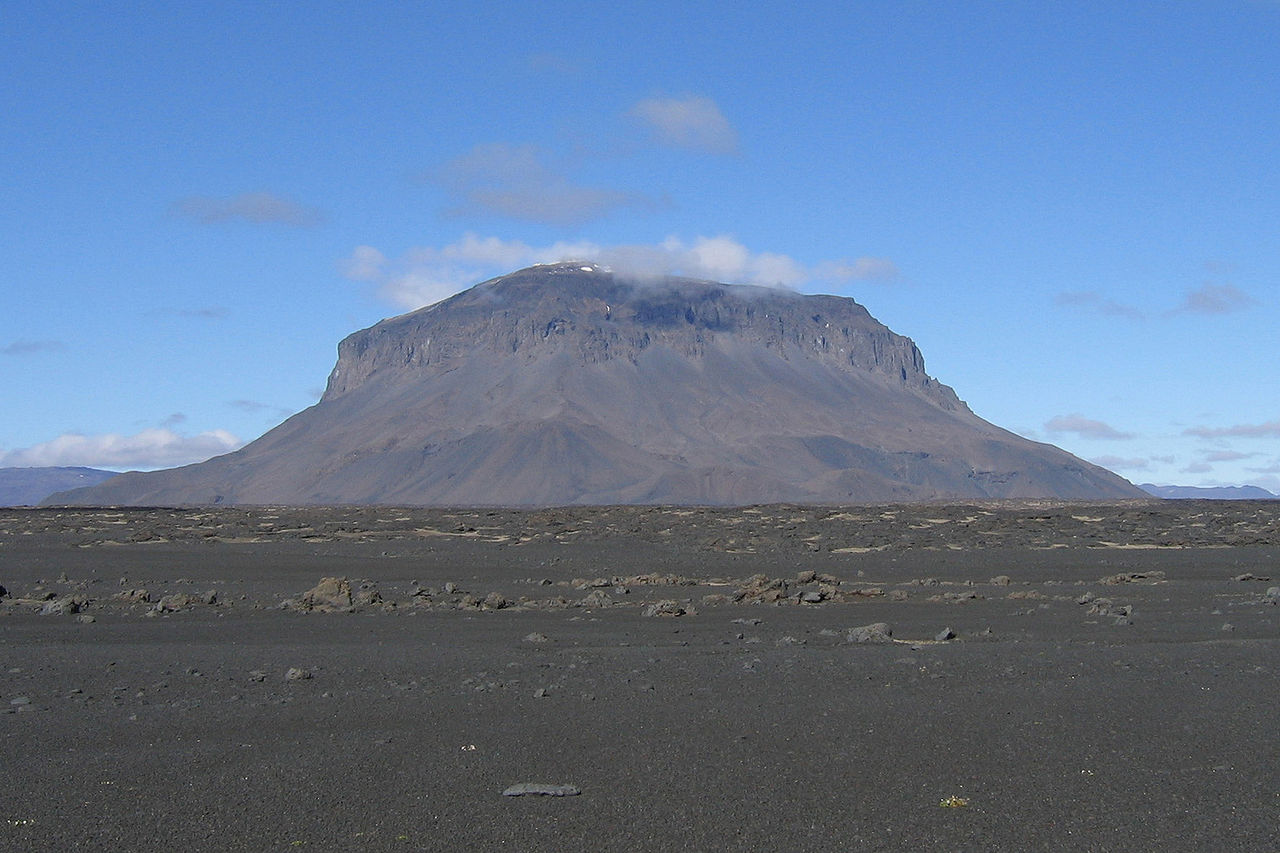
Volcanoes are often grouped by morphology—shield volcanoes, stratovolcanoes (composite), cinder cones, and calderas—which relates to eruption style and magma chemistry. For practical reference and deeper reading, introductory resources on lava, volcanic ash, explosive eruptions and the work of volcanologists offer additional detail. Understanding volcanic processes remains an active field that combines field observation, laboratory experiments and geophysical monitoring to reduce hazard and expand knowledge of Earth’s interior.
Questions and answers
Q: What is a volcanic eruption?
A: A volcanic eruption is when hot materials from the Earth's interior are thrown out of a volcano, such as lava, rocks, dust and gas compounds.
Q: Can eruptions come from different areas of a volcano?
A: Yes, eruptions can come from side branches or from the top of the volcano.
Q: Can volcanic eruptions be deadly?
A: Yes, some volcanic eruptions can be terrible explosions that throw out huge amounts of rock and volcanic ash, which can kill many people.
Q: Are there different types of volcanic eruptions?
A: Yes, there are several more complex types of volcanic eruptions that have been described by volcanologists, such as those named after famous volcanoes where that type of eruption has been seen.
Q: Can a volcano show only one type of eruption during a period of activity?
A: Yes, some volcanoes may show only one type of eruption during a period of activity.
Q: Can a volcano show a range of types of eruptions in a series?
A: Yes, others may show a range of types in a series.
Q: What are some of the materials that can be thrown out during a volcanic eruption?
A: Lava, rocks, dust, and gas compounds are some of the materials that can be thrown out during a volcanic eruption.
Related articles
Author
AlegsaOnline.com Volcanic eruption: causes, types, hazards and global significance Leandro Alegsa
URL: https://en.alegsaonline.com/art/105819