
Holy Land
Region of the Levant revered by Judaism, Christianity, and Islam; centered on Jerusalem and surrounding sites, with long religious, cultural, archaeological, and political significance.
Overview
The term Holy Land refers to a historic region of the eastern Mediterranean—centered on Jerusalem and parts of the coastal and inland Levant—that is sacred to the three Abrahamic faiths. The phrase is used in religious, historical and geographical contexts to describe territories variously known as Canaan, the Land of Israel, or Palestine. For millennia the area has been a focal point for worship, pilgrimage, and competing claims rooted in scripture and tradition.
Image gallery
6 Images

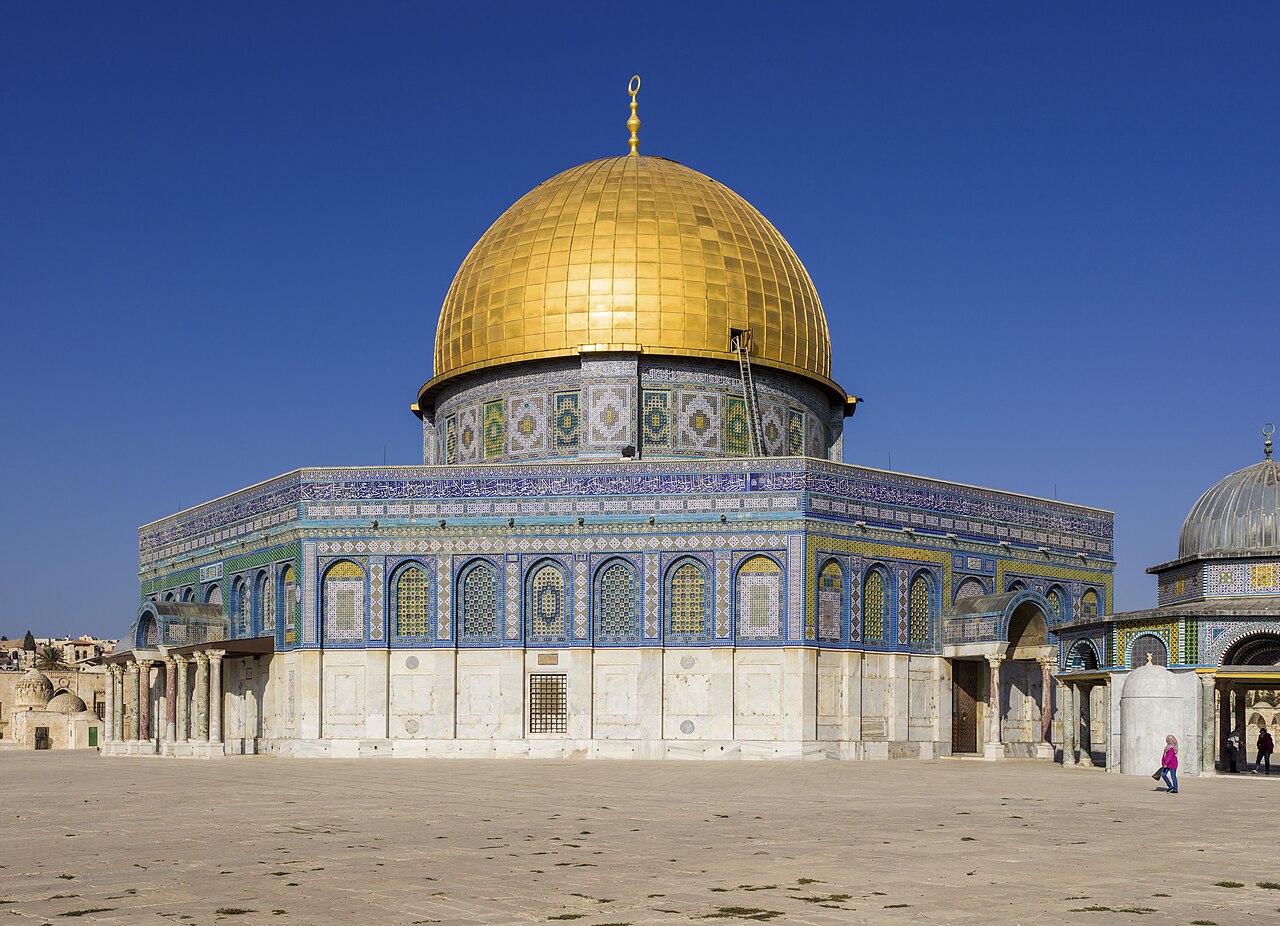
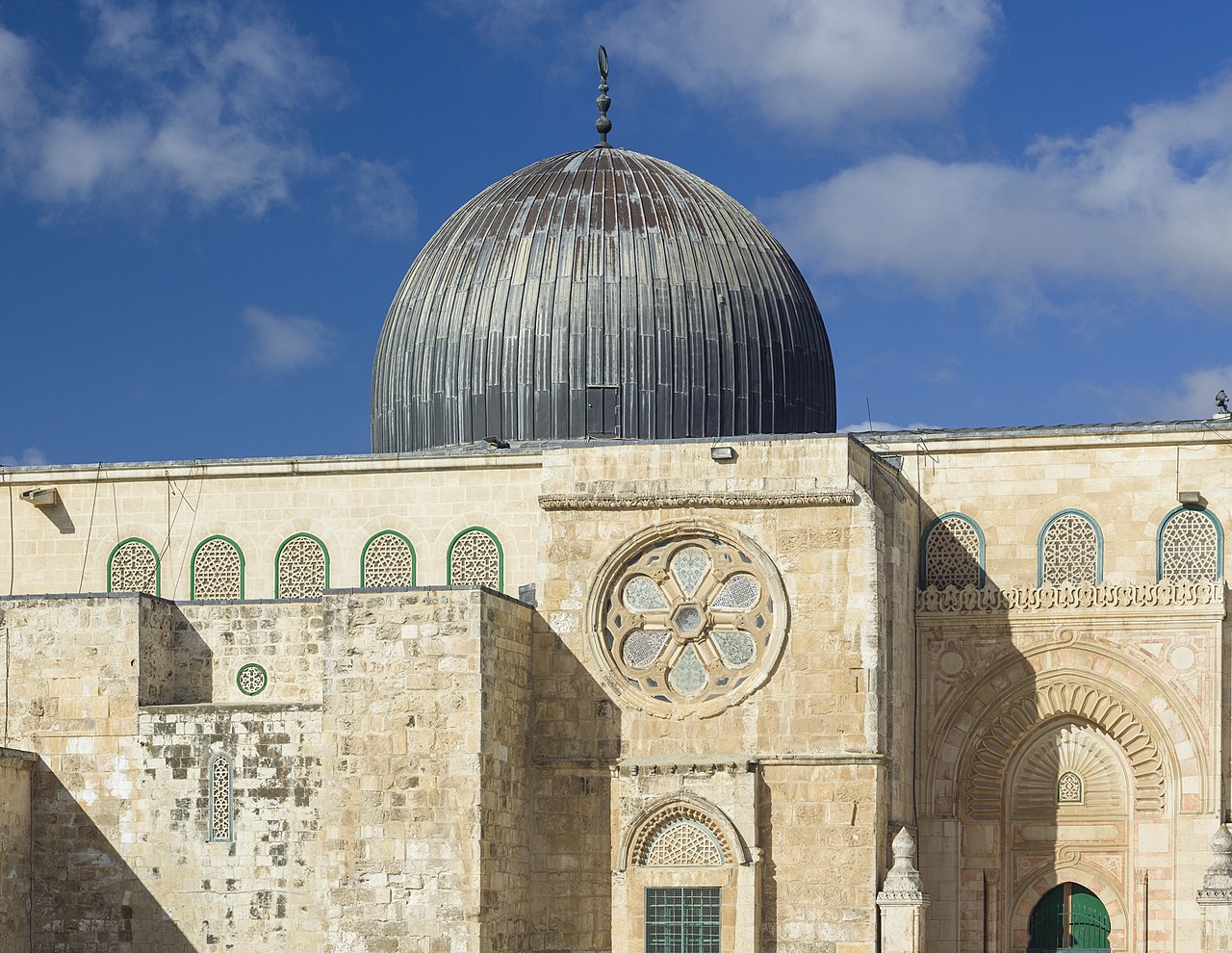

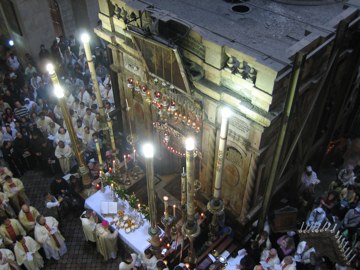
Major sites and landscape
The Holy Land contains a dense concentration of places venerated for specific events and persons. Important localities include Jerusalem (with the Temple Mount/Al‑Aqsa complex and the Western Wall), Bethlehem, Nazareth, Hebron, the Sea of Galilee and its shores, and many ancient towns and archaeological layers. These sites are often small in area but exceptionally rich in layered cultural remains and sacred architecture.
- Jerusalem: central to ritual life and memory for multiple religions.
- Bethlehem and Nazareth: associated with events in the life of Jesus.
- Hebron: traditional burial place of the patriarchs.
- Sea of Galilee region: scene of many New Testament narratives.
Religious significance
Judaism regards the land as promised to the descendants of the patriarchs and as the setting for the Hebrew Bible and the ancient Israelite temple cult (Judaism traditions). Christianity places key events of Jesus' life, death and resurrection within this landscape and developed pilgrimage practices around sites like the Church of the Holy Sepulchre (Christianity). Islam honors Jerusalem as the location of Al‑Aqsa and the Dome of the Rock, connected in tradition with the Prophet Muhammad's Night Journey (Islam).
History and development
The region's history spans Bronze Age Canaanite city‑states, the emergence of Israelite kingdoms, successive imperial rules (Assyrian, Babylonian, Persian, Hellenistic, Roman) and the growth of Christianity in the Roman/Byzantine period. From the 7th century onward it became part of successive Islamic polities. European medieval campaigns known as the Crusades briefly established Latin states in parts of the Levant and further shaped Christian devotion to the region. Later it was incorporated in the Ottoman Empire and then reconfigured again under 20th‑century mandates and modern states.
Pilgrimage, archaeology, and modern importance
Pilgrims of many faiths continue to visit the Holy Land to venerate sacred sites, follow traditional routes, and perform rites. Archaeological research here has been intensive, revealing layers of occupation that inform biblical studies, ancient history and cultural heritage. The area's religious significance is closely intertwined with contemporary political questions, competing narratives of belonging, and efforts to protect and manage holy places. References to divine promises and sacred custodianship—such as claims that God granted the land in scriptural traditions—remain central to belief and identity for many people.
Notable distinctions
While the Holy Land is a shared spiritual landscape, each faith emphasizes different sites and events, and practices of memory and pilgrimage vary accordingly. The concentration of holy sites in a relatively small geographic area makes the region unique among world religious centers and contributes to its ongoing cultural, scholarly and diplomatic significance.
Related articles
Author
AlegsaOnline.com Holy Land Leandro Alegsa
URL: https://en.alegsaonline.com/art/44825