
Lake Ladoga: Europe's Largest Freshwater Lake
Lake Ladoga is the largest lake in Europe, located in northwestern Russia near Saint Petersburg. It is notable for its size, islands, history, ecology and role in regional transport and culture.
Overview
Lake Ladoga is the largest freshwater lake in Europe, lying to the east of Saint Petersburg in northwestern Russia. It is commonly referred to in Russian as Ладожское and in Finnish as Laatokka. As a major inland water body, it ranks among the world’s largest lakes and occupies a central place in the geography of the region (lake) and the Russian landscape (Russia).
Image gallery
10 Images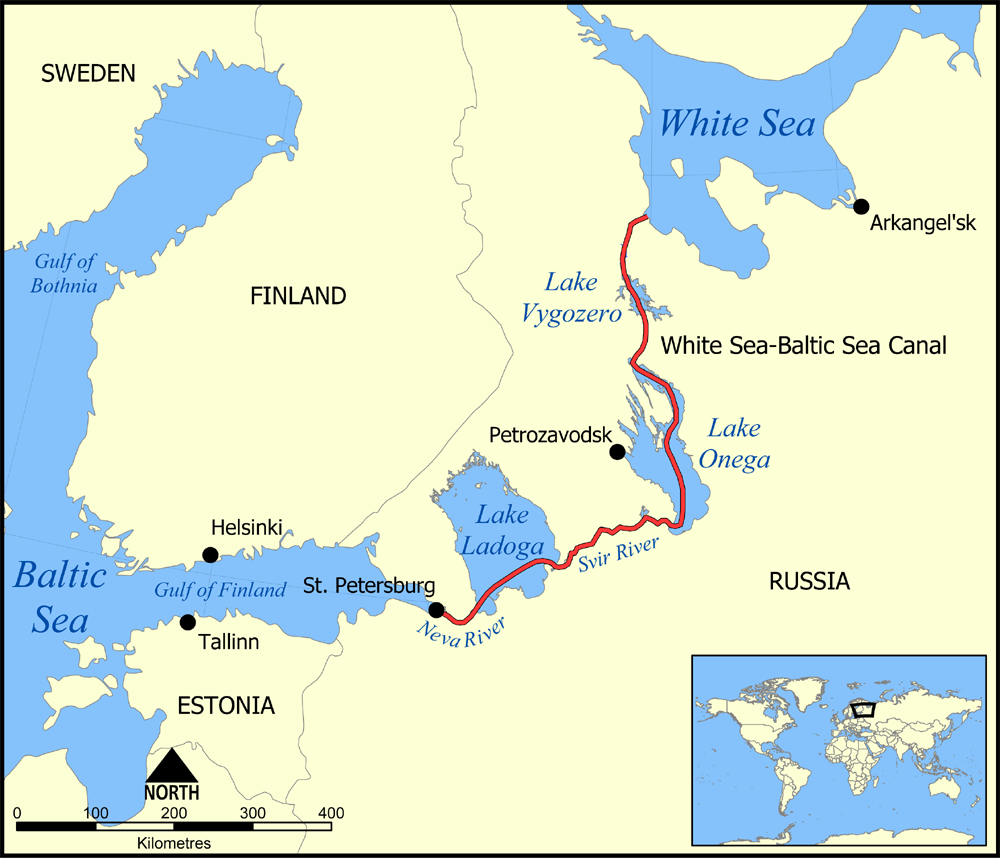



Geography and hydrology
Formed by glacial action at the end of the last Ice Age, Ladoga has a broad irregular shoreline, numerous bays and a mix of shallow and deep basins. Its catchment receives water from several rivers and drains to the Gulf of Finland through the short Neva River. Major inflows include streams coming from Lake Onega via the Svir River and watersheds connected to the Vuoksi system.
Islands, towns and human history
The lake contains roughly six hundred to seven hundred islands, the largest and most famous being the Valaam archipelago with its historic monastic complex. Settlements on and around the lake have long ties to trade, fishing and navigation. During the Second World War Lake Ladoga was a strategic lifeline for the besieged city of Leningrad: supply routes and the so-called "Road of Life" across the ice are important chapters in its modern history.
Ecology and uses
Lake Ladoga supports diverse freshwater habitats and commercially important fish such as pike, perch and whitefish. Its waters are used for commercial and recreational fishing, transport (part of wider inland shipping routes) and tourism. Conservation concerns include pollution, invasive species and changes to water regime from regional development.
Notable facts and distinctions
- Largest lake in Europe by surface area (European ranking).
- Among the world’s larger lakes by area, often listed in top twenty (global list).
- Rich cultural landscape with monasteries, historic forts and traditional fishing communities.
Today Ladoga remains a vital natural and cultural resource, linking inland waterways with the Baltic and serving as an important subject for regional environmental management, archaeology and historical study.
Related articles
Author
AlegsaOnline.com Lake Ladoga: Europe's Largest Freshwater Lake Leandro Alegsa
URL: https://en.alegsaonline.com/art/55516