
Lake Annecy (Lac d'Annecy) — Alpine lake in Haute‑Savoie, France
Lake Annecy is a glacial lake in the Haute‑Savoie region of eastern France, noted for its clear water, mountain setting and historic lakeside towns such as Annecy and Talloires.
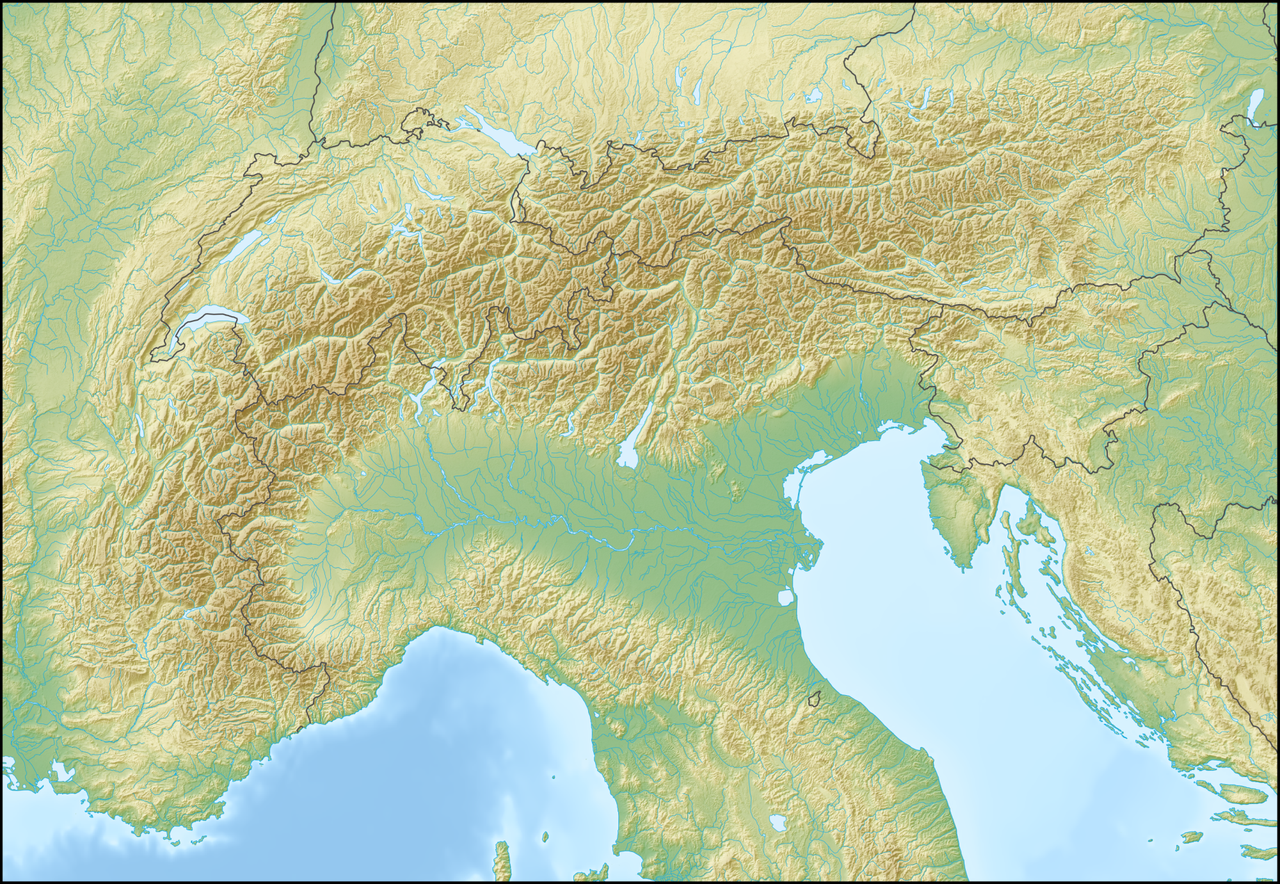
Lake Annecy (French: Lac d'Annecy) lies in the French Alps within the department of Haute‑Savoie, in eastern France. Fed by mountain streams and ice-age glaciers, the lake occupies a deep basin ringed by wooded slopes and limestone ridges. Its combination of clear water, alpine scenery and nearby historic towns has made it a prominent feature of the region.
Image gallery
7 Images



Physical characteristics
The basin is glacial in origin and is surrounded by steep shores and a mix of wetland inlets and rock promontories. Water clarity and relatively low nutrient levels distinguish it from many lowland lakes. Several smaller rivers and springs feed the lake, and outflow is controlled by natural and engineered channels. Settlements cluster along the western shore and around sheltered bays.
History and development
Human presence around the lake dates back to prehistoric times, with successive phases of rural settlement, medieval fortifications and later tourism development. Industrial and urban growth in the 19th and 20th centuries created water-quality challenges, which local authorities addressed through improved sewage treatment and conservation measures. Those efforts helped restore and preserve the lake's reputation for purity.
Uses and importance
- Recreation: swimming, boating, paddle sports and diving in summer;
- Tourism: scenic drives, hiking and lakeside villages such as Annecy, Talloires and Menthon-Saint-Bernard;
- Ecology: habitat for fish, waterfowl and wetland plants; subject of monitoring and protection programs.
Annecy serves as the main urban center, with cobbled streets and a historic canal district that complement lakeside promenades. The lake's combination of natural values and accessible infrastructure makes it an important local resource for residents and visitors alike. For more detailed maps, travel advice and conservation information, consult regional guides and local authorities.
Related articles
Author
AlegsaOnline.com Lake Annecy (Lac d'Annecy) — Alpine lake in Haute‑Savoie, France Leandro Alegsa
URL: https://en.alegsaonline.com/art/55462
Sources
- crwflags.com : "Lake of Annecy (Haute-Savoie, France)"