
Lake Como — geography, history, towns, and cultural significance
Lake Como (Lago di Como) is a deep glacial lake in Lombardy, Italy, famed for its inverted Y shape, historic villas, lakeside towns and scenic importance for tourism, art and local economy.
Overview
Lake Como (Italian: Lago di Como) is a glacial lake in Lombardy, Italy. Formed by ice-age glaciers, it occupies about 146 square kilometres and is one of the deepest lakes in Europe, with a maximum depth of roughly 410 metres. It is commonly described as having an inverted Y shape divided into three main branches. By surface area it ranks after Lake Garda and Lake Maggiore among Italian lakes.
Image gallery
10 Images



Geography and natural features
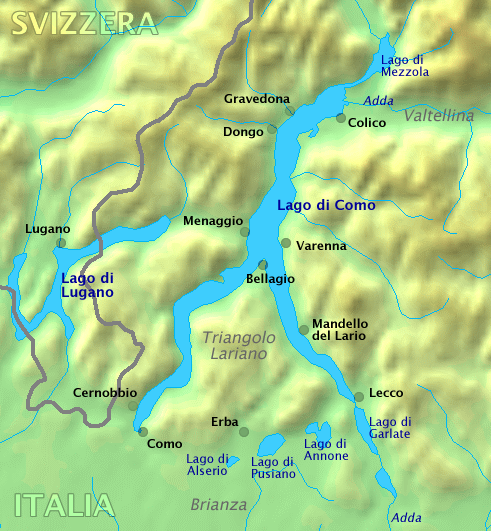
The lake sits at the southern foothills of the Alps and is surrounded by steep, wooded mountains that create a dramatic shoreline. The northern tip near Colico drains southward into two arms: the western branch that reaches the city of Como and the eastern branch that ends at Lecco. Bellagio occupies the promontory where the branches meet, a natural crossroads for ferries and pleasure craft. The glacial origins and depth influence local microclimates, which support a mix of alpine and Mediterranean flora.
History and cultural development
Humans have lived around the lake since prehistoric times. During the Roman era wealthy landowners built villas along the shores; some archaeological traces and continuity of settlement survive in place names and ruins. In the Renaissance and later centuries the lake attracted artists and scholars. The landscapes and mountains near the eastern branch were studied by Leonardo da Vinci, and the setting of the Lecco branch forms part of the backdrop for Alessandro Manzoni's novel I Promessi Sposi. Over time the shoreline developed a distinctive pattern of historic towns, churches and grand villas.
Towns, villas and notable sites
Lake Como’s shoreline combines small villages and larger towns. Well-known settlements include Como, Lecco, Bellagio, Mandello del Lario, Lenno and the smaller, more secluded Lierna. Many villas and gardens—such as Villa Olmo, Villa Carlotta, Villa del Balbianello and Villa Melzi—are open to the public and illustrate the lake’s appeal to aristocrats, industrialists and later tourists. These estates, together with historic churches and promenades, form a substantial part of the lake’s cultural heritage.
Economy, transport and leisure
Tourism is a major economic activity around the lake, driven by scenery, boating and historic sites. A frequent ferry network connects towns across the three branches and supports both commuters and visitors. Roads and rail links provide access to Milan and other regional centres, making the lake a popular weekend and holiday destination. Outdoor activities include boating, swimming, fishing, hiking on lakeside and mountain trails, and winter sports in higher alpine areas.
Distinctive features and contemporary significance
Lake Como is renowned for its combination of dramatic topography and cultivated shorelines, producing a mild lakeside climate that nurtures gardens of olive trees, Mediterranean plants and ornamental species. It has long attracted artists, writers and international visitors; in recent decades it has also been associated with well-known residents and high-profile visitors. Conservation of historic villas, careful management of tourism and balancing local life with international interest remain ongoing challenges for communities around the lake.
Quick reference
- Type: glacial lake
- Region: Lombardy, Italy
- Major towns: Como, Lecco, Bellagio, Mandello del Lario, Lenno, Lierna
Related articles
Author
AlegsaOnline.com Lake Como — geography, history, towns, and cultural significance Leandro Alegsa
URL: https://en.alegsaonline.com/art/55482
Sources
- iii.to.cnr.it : "Laghi italiani"