
Lake Chaubunagungamaug (Webster Lake)
Lake Chaubunagungamaug, commonly called Webster Lake, is a freshwater lake in Webster, Massachusetts, known for its long Native American name and as a regional site for boating, fishing, and recreation.
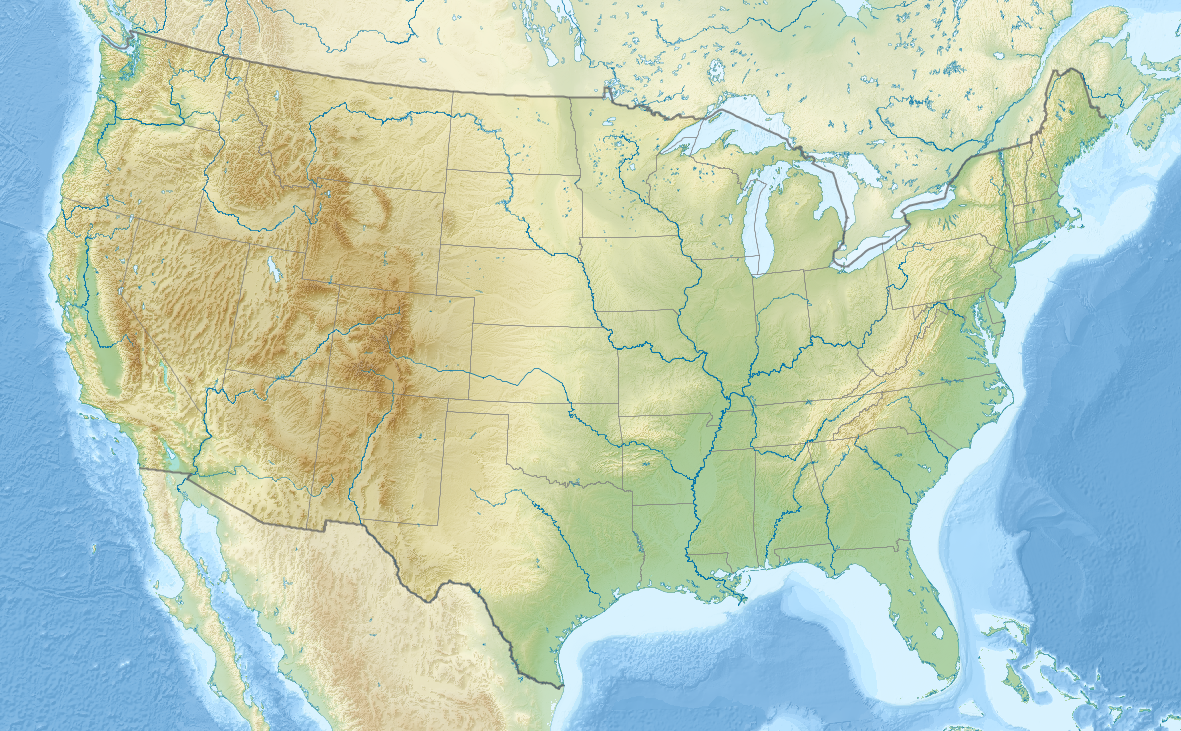
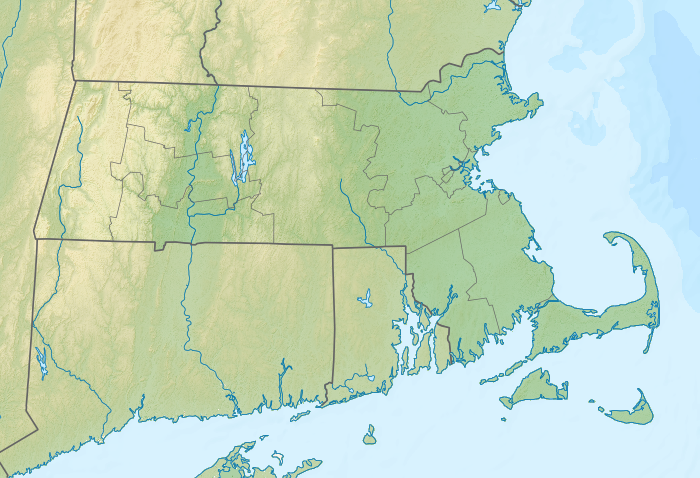
Lake Chaubunagungamaug, often shortened to Webster Lake, is a freshwater lake in the town of Webster in the U.S. state of Massachusetts. The body of water is served by local roads and recreational facilities and appears on regional maps as both Webster Lake and by its traditional Native American name. For a general location reference see lake information and broader context in the United States.
Image gallery
7 Images


Characteristics
The lake is a popular local resource for boating, swimming, and angling. It is rimmed by residential neighborhoods, parks, and seasonal businesses that cater to visitors. Water quality and shoreline use vary seasonally, as with many New England lakes, and local authorities manage boat access, moorings, and fishing regulations. For location within the state, see Massachusetts.
History and name
The long traditional name—most famously written as Chargoggagoggmanchauggagoggchaubunagungamaugg—is derived from an Algonquian language spoken by Indigenous people of the region, most commonly associated with the Nipmuc. That original name reflects local words for the lake and nearby landscape and was recorded in various shortened and lengthened forms over time. A widely repeated folk translation jokingly renders the name as “you fish on your side, I’ll fish on my side, and nobody will fish in the middle,” but linguists favor interpretations tied to place, boundary, or fishing site. For more on Indigenous connections, see Native American sources.
Uses and recreation
Locals and visitors use the lake for seasonal recreation: power and sail boating, canoeing, freshwater fishing, and lakeside leisure. Shoreline parks and boat ramps provide access points; private docks and camps also line parts of the lake. Anglers seek common New England freshwater species and follow state fishing regulations and stocking updates maintained by local authorities.
Notable facts and distinctions
- The lake is widely known because of its lengthy Native American name, which is often cited as the longest place name in the United States.
- Both the short name (Webster Lake) and the full traditional name are used in signage and local branding, reflecting layers of local history.
- The name’s various spellings and popular translations show how Indigenous place names were recorded by English speakers and then adapted into local usage.
Today the lake remains a regional recreational focal point with cultural and historical interest that extends beyond its shoreline. Visitors seeking maps, current conditions, or historical materials can consult local municipal resources and regional histories for up-to-date information and primary references.
Related articles
Author
AlegsaOnline.com Lake Chaubunagungamaug (Webster Lake) Leandro Alegsa
URL: https://en.alegsaonline.com/art/55475