
Lake Champlain: geography, history, and significance
Lake Champlain is a large freshwater lake between New York and Vermont, extending into Quebec. It has glacial origins, important ecosystems, historical sites, and ongoing roles in recreation, commerce, and conservation.
Overview
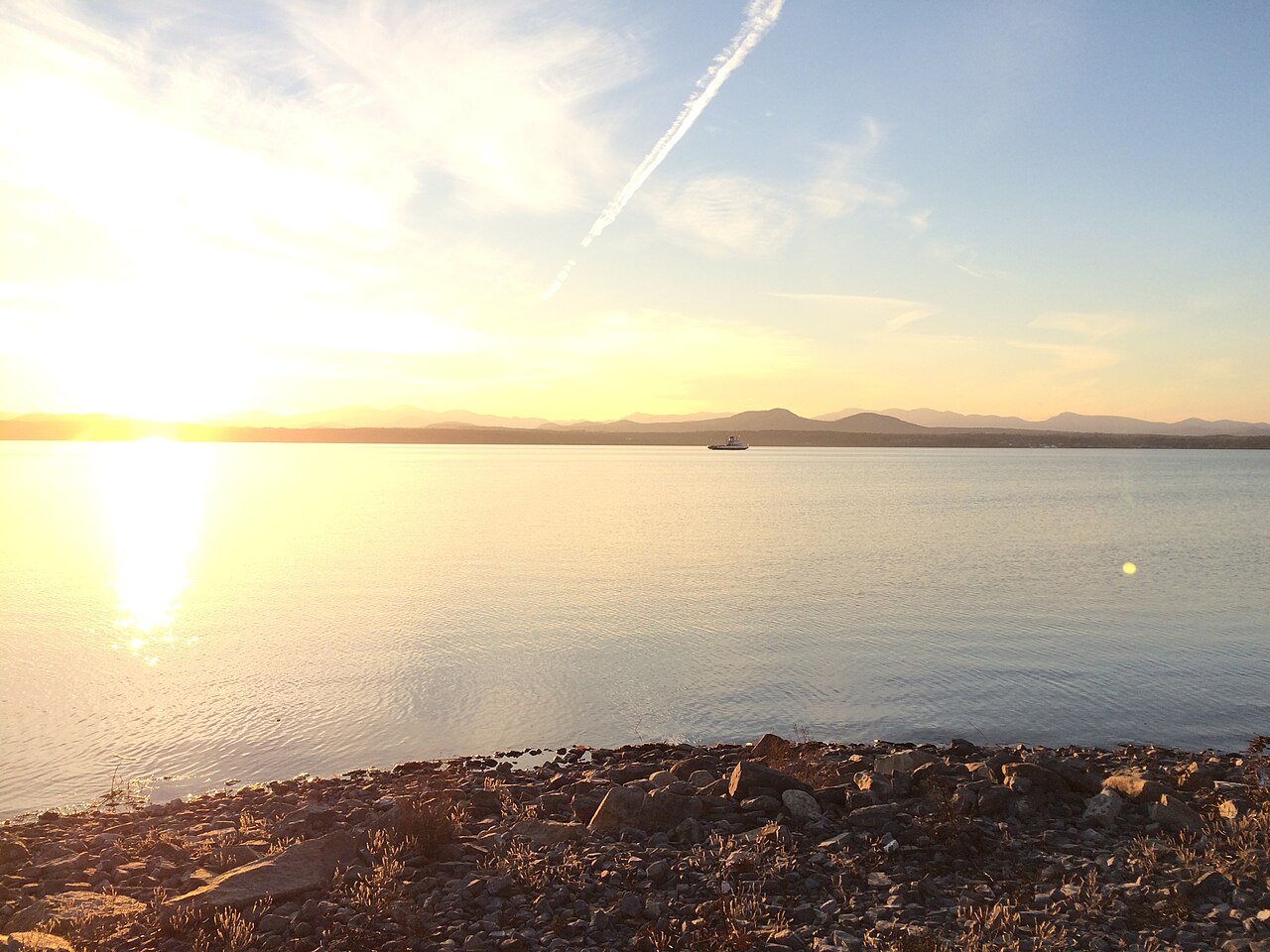
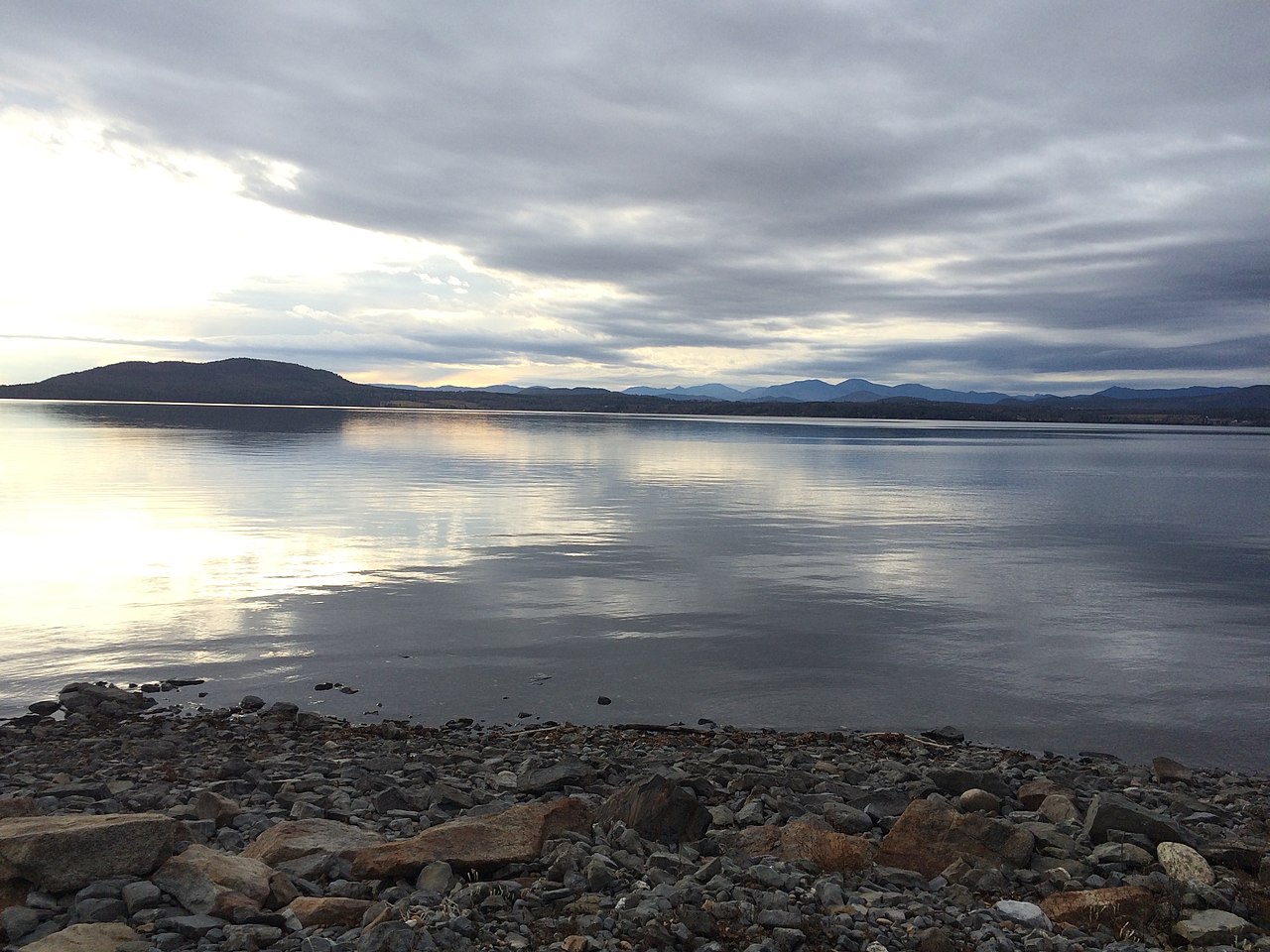
Lake Champlain lies between the U.S. states of New York and Vermont and extends northward into the Canadian province of Quebec. It is a long, freshwater basin formed by glacial action and fed by numerous rivers and streams. The lake was first recorded by the European explorer Samuel de Champlain, who visited the region in the early 17th century and for whom the lake is named. Today it is valued for its scenery, wildlife, and cultural heritage.
Image gallery
10 Images






Geography and ecology
The basin occupies a glacial valley and contains a mix of deep and shallow waters, islands, wetlands, and shorelines that support diverse habitats. The lake receives runoff and tributaries from surrounding highlands, and it drains northward toward the St. Lawrence watershed via the Richelieu River. Its islands and marshes provide breeding and feeding grounds for fish, waterfowl, and other wildlife, while shoreline forests and farmland shape local ecological dynamics.
History and human use
People have lived around the lake for thousands of years; Indigenous communities used it for travel, fishing, and trade. European contact expanded in the 1600s, and the lake became strategically important during colonial and early national periods because it provided a navigable route between interior settlements and larger waterways. Military actions, settlements, and ferry crossings all took place on or near the lake. Over time, towns, ports, and recreational facilities grew along its shores.
Modern importance and activities
Lake Champlain supports a range of contemporary uses: recreational boating, fishing, tourism, and limited commercial navigation. Its shoreline communities rely on the lake for livelihoods, leisure, and transportation. Conservation concerns include maintaining water quality, controlling invasive species, and balancing shoreline development with habitat protection. Scientific monitoring and cross-jurisdictional management efforts address these ongoing challenges.
Notable facts and distinctions
- The lake forms part of an international boundary region and links multiple ecological and cultural landscapes.
- Its islands and underwater features have been the focus of archaeological and historical study, including sites associated with colonial-era events.
- Lake Champlain's basin retains traces of its glacial past and contributes to regional hydrology and biodiversity.
Further reading and resources
- Freshwater lake information
- North America freshwater systems
- New York state water resources
- Vermont conservation and recreation
- United States environmental agencies
- Canada water and environmental resources
- Quebec regional geography
- Provincial conservation programs
- French exploration of North America
- Samuel de Champlain biographies
- Early 17th-century voyages and maps
Note: This article provides a concise overview of Lake Champlain’s geography, history, and contemporary roles. For detailed scientific data, historical records, or management plans consult local agencies and specialized studies linked above.
Questions and answers
Q: Where is Lake Champlain located?
A: Lake Champlain is located in North America along the borders of New York and Vermont and partially across the United States-Canada border in the province of Quebec.
Q: What type of lake is Lake Champlain?
A: Lake Champlain is a natural freshwater lake.
Q: Who was Lake Champlain named after?
A: Lake Champlain was named after the French explorer Samuel de Champlain.
Q: When did Samuel de Champlain come to Lake Champlain?
A: Samuel de Champlain came to Lake Champlain in 1609
Q: What was Samuel de Champlain's occupation?
A: Samuel de Champlain was a French explorer.
Q: Is Lake Champlain man-made or natural?
A: Lake Champlain is a natural lake.
Q: What is the significance of Lake Champlain?
A: Lake Champlain is significant for its historical and cultural importance, as well as its ecological and environmental significance. It supports a diverse range of wildlife and is an important recreational area for boating, fishing, and other outdoor pursuits.
Related articles
Author
AlegsaOnline.com Lake Champlain: geography, history, and significance Leandro Alegsa
URL: https://en.alegsaonline.com/art/55473