
La Llorona: The Weeping Woman of Latin American Folklore
La Llorona is a widespread Hispanic folk legend about a grieving woman condemned to search for her lost children; the tale appears across Latin America in many regional forms and modern adaptations.
Overview
La Llorona (Spanish for "The Weeping Woman") is a widely known folk tale and ghostly figure told across many Hispanic communities. The core narrative describes a woman, often named María, who drowns her children and then either herself or is left to wander in sorrow. Condemned to search for her children, she is said to wail in the night with the cry "¡Ay, mis hijos!" ("Oh, my children!"). The lament gives the story its familiar name and a mournful tone that can serve both to frighten and to instruct.
Image gallery
10 Images



Origins and historical development
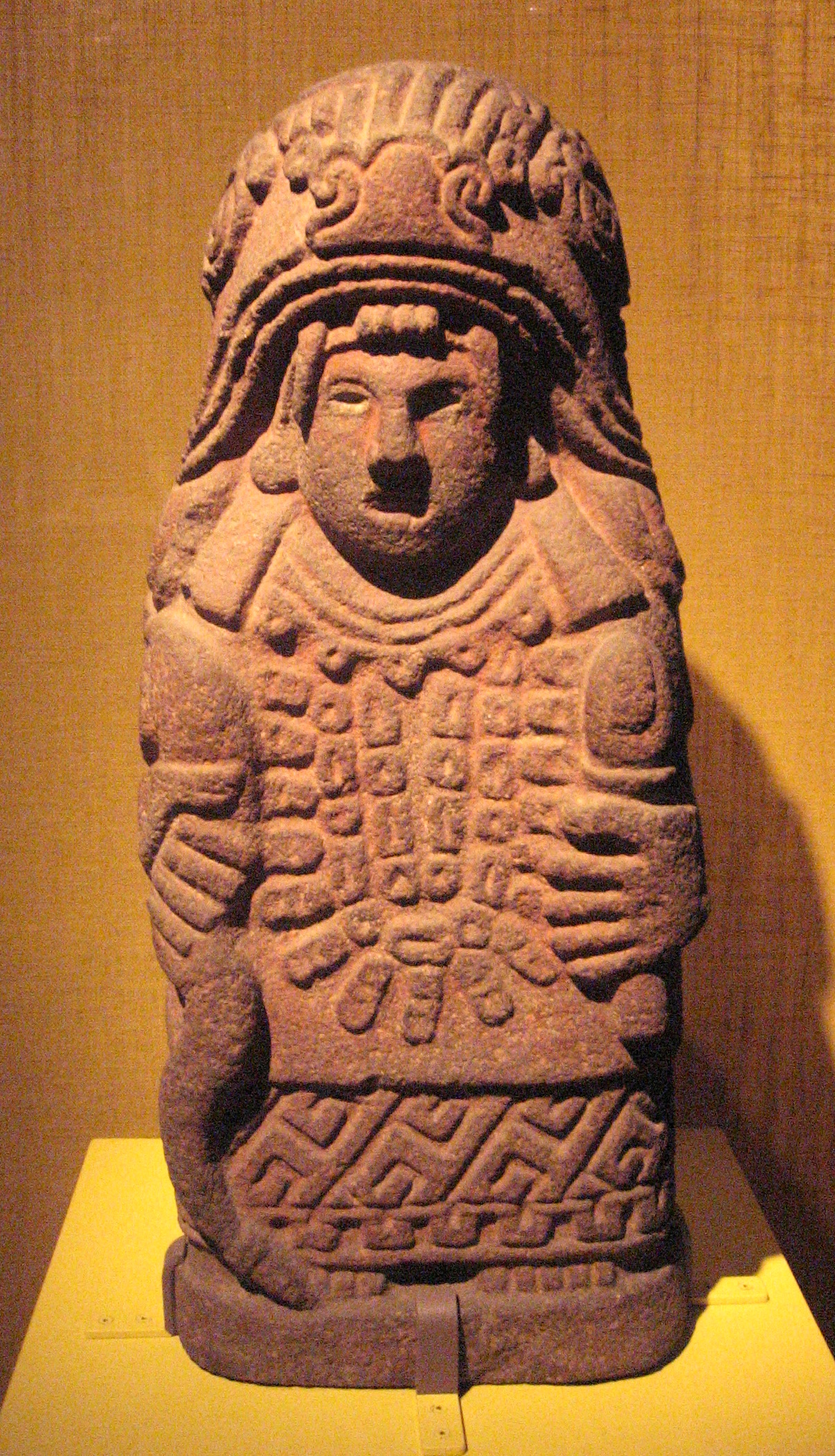
The story exists in numerous variants and likely developed through a long process of oral transmission. Some elements have been linked to the colonial period and encounters with the conquistadors, while other features echo older, pre‑Hispanic figures associated with water and mourning. Over time European moral themes and Catholic imagery blended with indigenous motifs, producing regional versions that emphasize different causes, punishments, and spiritual meanings. Folklorists generally treat specific historical origins cautiously because the tale crystallized through centuries of retelling.
Narrative variations
Although many tellings follow the basic pattern of a mother who loses or kills her children and wanders in grief, details vary widely. Common differences include the woman's motive (jealousy, revenge, madness, or accident), whether she drowns herself, whether she harms other children, and the form of her appearance (a woman in white or in dark clothes). In some accounts she drags children into rivers; in others she simply cries and searches without harming anyone.
Motifs and themes
- Water as a boundary: rivers and lakes function as thresholds between life and death.
- Maternal loss and guilt: the legend explores grief, remorse, and the social role of motherhood.
- Penance and liminality: La Llorona is often portrayed as trapped between worlds, echoing broader beliefs about restless spirits and the spiritual world.
Social role and uses
The tale commonly serves practical and symbolic roles. Parents have used it as a cautionary story to keep children from wandering after dark or approaching dangerous water. At the same time, storytellers, artists, and communities use the figure to address themes of injustice, domestic violence, colonial history, and gendered trauma. Because it can be told as a warning, a tragedy, or a horror story, La Llorona remains adaptable to different contexts.
Regional presence and urban legends
La Llorona is particularly associated with Latin America, where many countries maintain distinct local versions. The legend has also traveled with migrants and taken root in Hispanic communities outside the region; urban variants and reported sightings appear in cities such as Los Angeles and other areas with large Latino populations. Such modern sightings are typically anecdotal and culturally situated, blending local landscape and community memory with the older tale.
Modern adaptations and popular culture
The figure has inspired numerous adaptations in literature, theater, visual arts, music, and film. Creators often reinterpret La Llorona to explore contemporary concerns while retaining core elements of sorrow and the supernatural. One recent mainstream film adaptation is The Curse of La Llorona, released in 2019, which draws on the legend's themes for cinematic horror. Scholarly collections and anthologies also gather many variants; readers interested in comparative versions can consult edited volumes and regional studies listed in folklore collections such as collected tales.
Academic perspectives and significance
Researchers approach La Llorona from folklore studies, anthropology, history, and literary criticism. Analyses often focus on how the tale negotiates cultural anxieties about motherhood, gendered violence, water and borders, and the legacy of colonial encounters. While the precise historical roots remain debated, scholars agree that the tale's persistence reflects its emotional resonance and flexibility: it can warn children, express communal mourning, or act as a symbol in discussions of identity and memory.
Further reading and resources
Readers seeking more information can explore regional collections of oral narratives and academic studies that document local variants and interpretive frameworks. General discussions of the story's geographic spread and transformations are available in overviews of Hispanic folklore and in resources focused on supernatural traditions in Latin America. For comparative historical notes, introductions to colonial-era narrative exchanges consider links to early contact narratives and the later evolution of the legend in the Spanish‑speaking world.
Related articles
Author
AlegsaOnline.com La Llorona: The Weeping Woman of Latin American Folklore Leandro Alegsa
URL: https://en.alegsaonline.com/art/55018