
Kvasir: Norse Deity of Wisdom and the Mead of Poetry
Kvasir, born from the truce between the Aesir and Vanir, is a Norse figure associated with wisdom and poetic inspiration. His death produced the mead that grants skill in poetry and eloquence.
Kvasir is a figure in Norse mythology traditionally described as the wisest of beings. According to the surviving medieval sources he came into existence at the end of a war between two groups of gods: the Vanir and the Aesir. The truce between these gods was sealed in an unusual way — the mingling of spit — and from that union Kvasir was formed as a living embodiment of knowledge and conciliation. He moved among gods and humans, answering questions and resolving disputes.
Image gallery
1 Image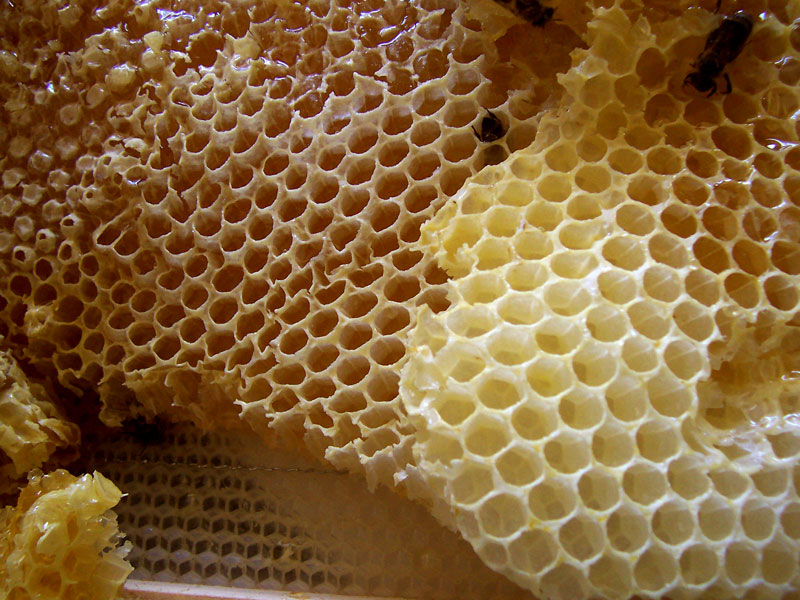
Characteristics and role
Kvasir is closely associated with learning, eloquence and the peaceful exchange of ideas. He is often named as a god of wisdom and a patron of diplomacy, though the sources do not present him as a warrior or a cult figure with temples. Instead his importance is symbolic: he represents the intellectual fruit of reconciliation and the ideal that knowledge should be freely shared. Tales emphasize his generosity — he answered anyone who asked — which in turn underscores the value placed on open dialogue in the mythic imagination.
Death and the creation of the Mead
Kvasir's story takes a darker turn when two dwarves, Fjalar and Galar, murder him. They drain his blood and mix it with honey, producing a legendary drink called the Mead of Poetry. Anyone who drinks this mead gains the gift of skilled speech and poetic insight — the ability to compose verse and speak with persuasive artistry. The myth links inspiration and creativity directly to a physical, magical substance: poetic ability is not merely a talent but a bequeathed, transferable quality.
The mead's effects concern both high art and its failures. The god Odin obtains the mead for himself, an act that ties the chief god to the distribution of poetic inspiration. In some versions Odin consumes the mead and becomes the dispenser of creative gift, while a few drops spilled into Midgard are said to account for inferior or profane verse. Thus the narrative explains both excellence and its opposite as part of a single origin.
Legacy, interpretation and cultural echoes
Kvasir's legend has been examined for what it reveals about authority, learning and the origins of poetic power. Scholars note possible linguistic connections between his name and terms for fermented drinks in other Indo-European languages, a hint at why a god associated with wisdom should be linked to a sacred beverage. The story has been retold in the Poetic and Prose Eddas in various forms and has inspired modern poets and artists to reflect on the source of creative inspiration.
- Origin: born from the peace ritual between gods — symbolic reconciliation (truce).
- Attributes: wise, eloquent, generous with knowledge (wisdom).
- Fate: killed by dwarves, transformed into a potent mead (Fjalar and Galar, mead).
- Aftermath: Odin acquires the mead and shapes who receives poetic gift (Odin).
- Cultural note: explains both inspired and poor poetry; tied to place and people (Midgard).
Kvasir remains a compact yet potent symbol within the Norse mythic corpus: he stands for the communal value of knowledge, the mystery of creative inspiration, and the ambivalent relationship between wisdom consumed and wisdom given. Modern retellings and scholarship continue to explore how the tale frames intellectual authority and the transmission of artistic skill across gods and mortals. Readers interested in primary texts and commentary can consult translations and studies referenced in many collections (primary motifs, mythic imagery, social roles, comparative myths).
Related articles
Author
AlegsaOnline.com Kvasir: Norse Deity of Wisdom and the Mead of Poetry Leandro Alegsa
URL: https://en.alegsaonline.com/art/54722