
Ares — Greek god of war and violent conflict
Ares, a deity from Greek mythology linked to the brutal aspects of warfare, represents bloodlust and chaos in battle. Associated with Thrace, he appears in myths, art, and ancient cults and contrasts with the Roman Mars.
Overview: Ares is a figure of Greek mythology commonly identified as the god of violent, uncivilized war and bloodshed. Unlike strategic or civic martial virtues, he embodies the raw fury and destructive side of combat. He is counted among the Twelve Olympians and often appears in myths as a disruptive and fearsome presence rather than a model of heroism.
Image gallery
9 Images
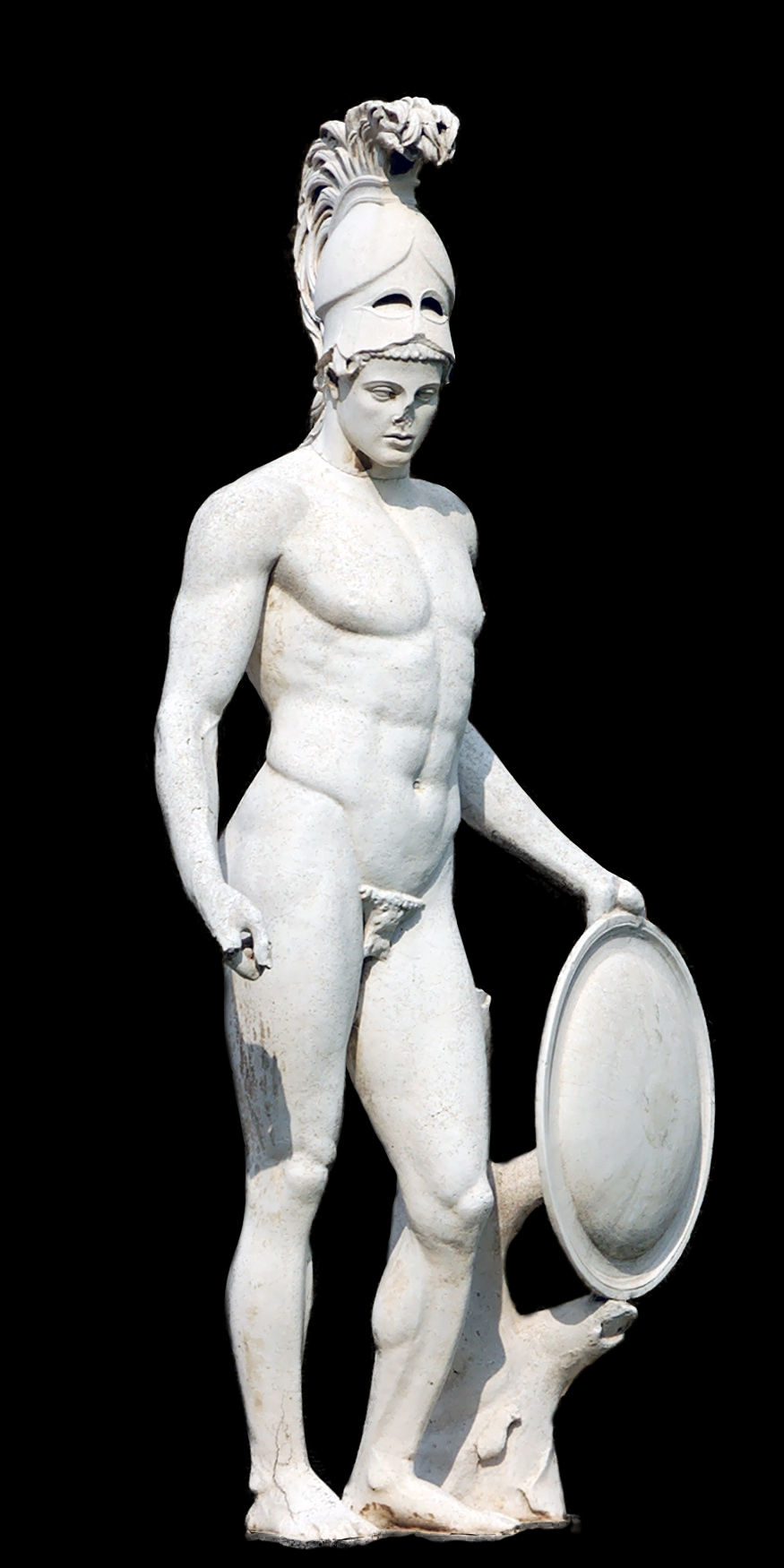


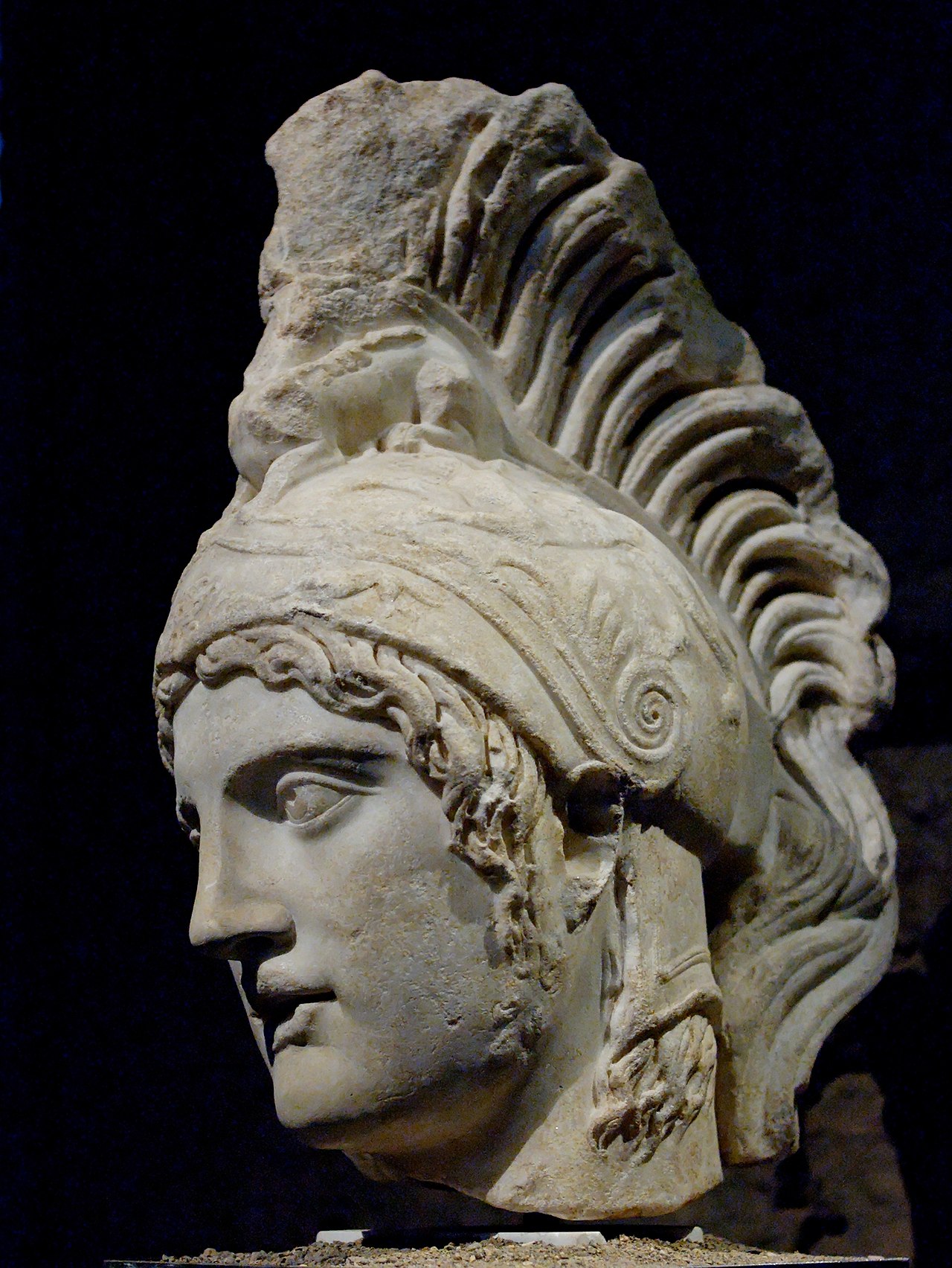
Identity and family
Classical sources present Ares as a child of Zeus and Hera, and as a twin or companion of the goddess Eris, the personification of strife. Ancient stories portray an uneasy relationship with his parents and other Olympians. He is frequently associated with Thrace as a cultural homeland where his cult was strong in some periods.
Attributes, symbols and depiction
Ares is usually shown armed for battle: helmet, spear, shield and sometimes a chariot. His attendants include personified figures such as Fear and Terror, who serve as companions in battle. He represents the untamed or savage dimension of conflict, distinguished from gods who represent war as order, discipline or civic duty (god of war; untamed aspects).
Myths and notable episodes
In epic and lyric traditions Ares appears on several battlefields. In accounts of the Trojan War, he is depicted siding with the Trojans at times, intervening and suffering rebukes from other gods. He also features in smaller tales—sometimes defeated or embarrassed—highlighting his impulsive and violent nature rather than invincibility.
Relationships and offspring
Ares is famously involved with Aphrodite, the goddess of love; together they appear in several stories of illicit passion. Ancient writers attribute to them multiple children in various traditions, including figures associated with battle and its effects, such as Phobos (Fear) and Deimos (Terror).
Worship, cultural role and legacy
Unlike the Roman Mars, who blended martial and agricultural functions and enjoyed wide official cult, Ares received more ambivalent or localized worship in Greece—Sparta and some Thracian locales valued him for military ferocity, while many city-states viewed him with suspicion. In art and literature he remains a potent symbol of the chaotic side of war and a frequent subject in later art, drama and modern references reflecting on violence, honor and the human cost of conflict.
- See also: portraits of Ares in classical vase-painting and sculpture (Greek sources).
- Contrast with Mars in Roman religion and with gods of disciplined warfare (Olympian context).
Related articles
Author
AlegsaOnline.com Ares — Greek god of war and violent conflict Leandro Alegsa
URL: https://en.alegsaonline.com/art/5434