
Argonautica — epic poem by Apollonius of Rhodes
A Hellenistic Greek epic recounting Jason's voyage for the Golden Fleece, composed by Apollonius of Rhodes in the 3rd century BCE; notable for its learned style, characterization, and influence on later literature.
Argonautica is an ancient Greek epic poem composed in the Hellenistic period and attributed to Apollonius of Rhodes. Written in hexameter during the 3rd century BCE, it tells the story of Jason and the Argonauts as they sail to Colchis to obtain the Golden Fleece. The poem blends traditional epic material with a Hellenistic interest in learned allusion, geography and individual psychology.
Image gallery
7 Images



Contents and structure
- Book I: Departure from Iolcus and gathering of the Argonauts.
- Book II: The voyage, early adventures and encounters with islands and peoples.
- Book III: Arrival in Colchis and the tasks set for Jason.
- Book IV: The theft of the Fleece, escape, and the return voyage with its complications.
The poem is composed in Homeric hexameter but shows clear differences from earlier epic. Its language and allusive style reflect the learned literary culture of Hellenistic Alexandria. Apollonius gives extended attention to particular characters—most famously Medea—and to the practical and navigational details of the voyage. The roster of Argonauts includes many heroes known from other myths, such as Heracles, Orpheus, and the Dioscuri.
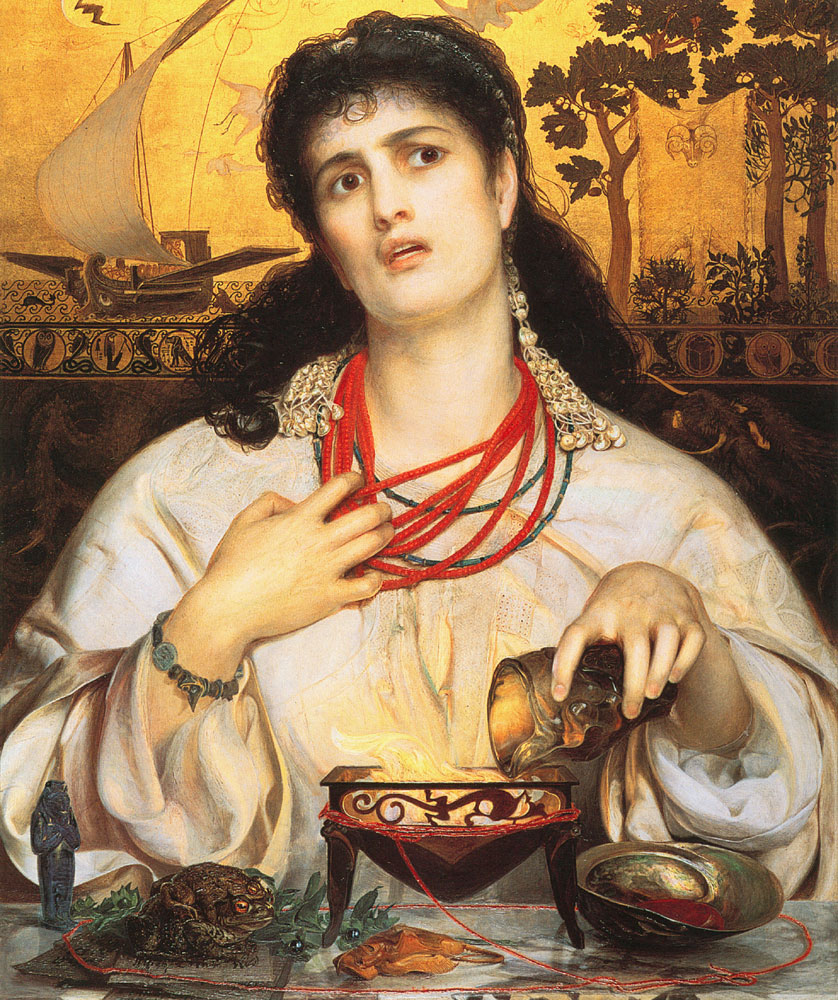
The narrative follows a recognisable arc: a kingdom in need, a hero assembled with companions, dangerous tasks enacted in a foreign land, and an ultimately fraught return. Medea’s role as helper and lover who uses magic to secure Jason’s success is central to the poem; later dramatists and poets draw on the consequences of that relationship when treating the couple’s fate.
Apollonius wrote in an era when poets were also scholars, and the Argonautica reflects that background. It is often contrasted with Homeric epics for its smaller scale, moral ambiguity, and emphasis on human emotion and technical description. The poem circulated in antiquity, was read by Roman and Byzantine authors, and inspired a long reception history in art, literature and translation.
Scholars study the Argonautica for its hybrid character—part heroic epic, part travel narrative—and for its innovations in narrative technique and characterisation. Its manuscript and editorial tradition, and the variety of later adaptations, make it a central text for understanding the transformation of epic poetry from the Archaic to the Hellenistic and Roman worlds.
Related articles
Author
AlegsaOnline.com Argonautica — epic poem by Apollonius of Rhodes Leandro Alegsa
URL: https://en.alegsaonline.com/art/5495