
Korean Air — South Korea's Flag Carrier and Major International Airline
Korean Air is South Korea's flag carrier and largest airline, operating passenger and cargo services worldwide from hubs in Seoul with a mixed Boeing and Airbus fleet and global partnerships.
Overview
Korean Air is the national flag carrier and the most prominent carrier in South Korea. Headquartered in Seoul, with administrative offices and corporate functions often referenced in the city's business districts, the airline operates an extensive network of scheduled passenger and cargo services. It is commonly described as the country's largest airline by fleet size, international reach and cargo capacity.
Image gallery
10 Images



History and development
The company began in the latter half of the 20th century and expanded from domestic routes to a broad global network. Over the decades Korean Air modernized its fleet and introduced widebody aircraft for long-haul services. Investment in cabin products, airport lounges and cargo handling helped the carrier adapt to growing international travel and freight demand.
Hubs and route network
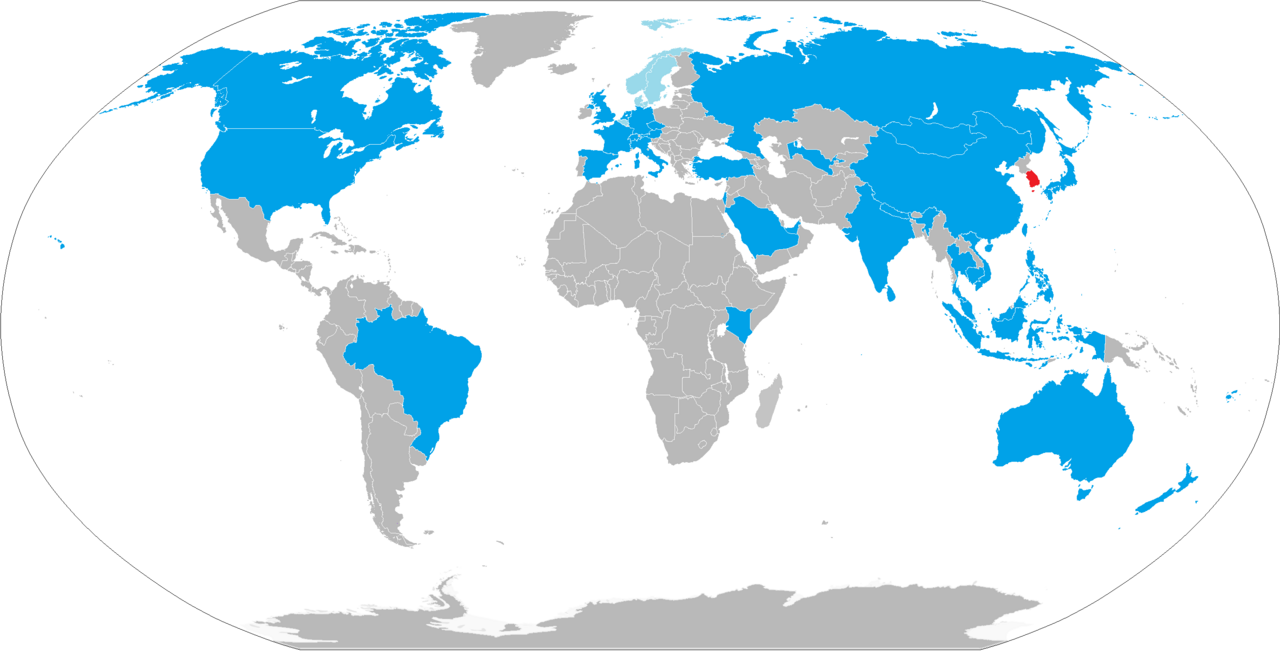
Korean Air maintains primary hubs at the two main Seoul airports. Its principal international gateway is Incheon International Airport, which handles most long-haul flights and transfer traffic; the airline also uses Seoul Gimpo for many domestic and regional services. From these hubs the carrier serves destinations across Asia, Europe, North America, Africa and South America, combining long-haul and short-haul schedules to connect Korea with global markets.
Fleet and equipment
The airline operates a mixed fleet of narrowbody and widebody aircraft from major manufacturers. Korean Air's fleet includes types from Boeing and Airbus, reflecting a balance between capacity and fuel efficiency. Historically the airline has flown iconic models such as the Boeing 747 on high-density routes, and it continues to deploy modern widebodies for transcontinental services.
Passenger services and frequent flyer program
Korean Air offers multiple cabin classes on long-haul flights, from economy to premium and business configurations, with in-flight entertainment, meal service and amenity programs designed for different traveller needs. The carrier operates a frequent flyer program to reward repeat customers and provides lounge access and priority services for premium passengers.
Cargo, subsidiaries and partnerships
Alongside passenger transport, Korean Air runs a substantial air cargo operation that moves goods between continents, supporting export and import activity. The airline has developed subsidiaries and ground-handling capabilities to support logistics, and it participates in codeshare agreements and alliance partnerships to extend its network and provide smoother connections for passengers and freight.
Role in aviation and economy
As the flagship airline of South Korea, Korean Air plays a central role in national connectivity and international trade. Its hubs in Seoul serve as major transit points, and the carrier's operations contribute to tourism, business travel and cargo transport across regions. Through fleet renewal and service development, the airline continues to adapt to changing market and environmental considerations.
- Headquarters: Seoul (administrative)
- Main international hub: Incheon International Airport
- Fleet manufacturers: Boeing, Airbus
- Network regions: Asia, Europe, North America, Africa, South America
For further practical information about schedules, services and corporate announcements, consult the airline's official communications channels and airport notices. Historical and operational details are also available through aviation industry publications and regulatory filings.
Related articles
Author
AlegsaOnline.com Korean Air — South Korea's Flag Carrier and Major International Airline Leandro Alegsa
URL: https://en.alegsaonline.com/art/54275