
Lamborghini (Automobili Lamborghini S.p.A.)
Italian maker of high-performance sports cars and SUVs, famed for V12 engines, bold design, mid-engine layouts and limited-edition supercars. Founded by Ferruccio Lamborghini in 1963.
Overview
Automobili Lamborghini is an Italian manufacturer best known for producing high-performance sports cars and luxury performance vehicles. Founded in 1963 by Ferruccio Lamborghini, the company is based in Sant'Agata Bolognese and has become a global symbol of exotic automotive design, dramatic styling and powerful engines.
Image gallery
10 Images


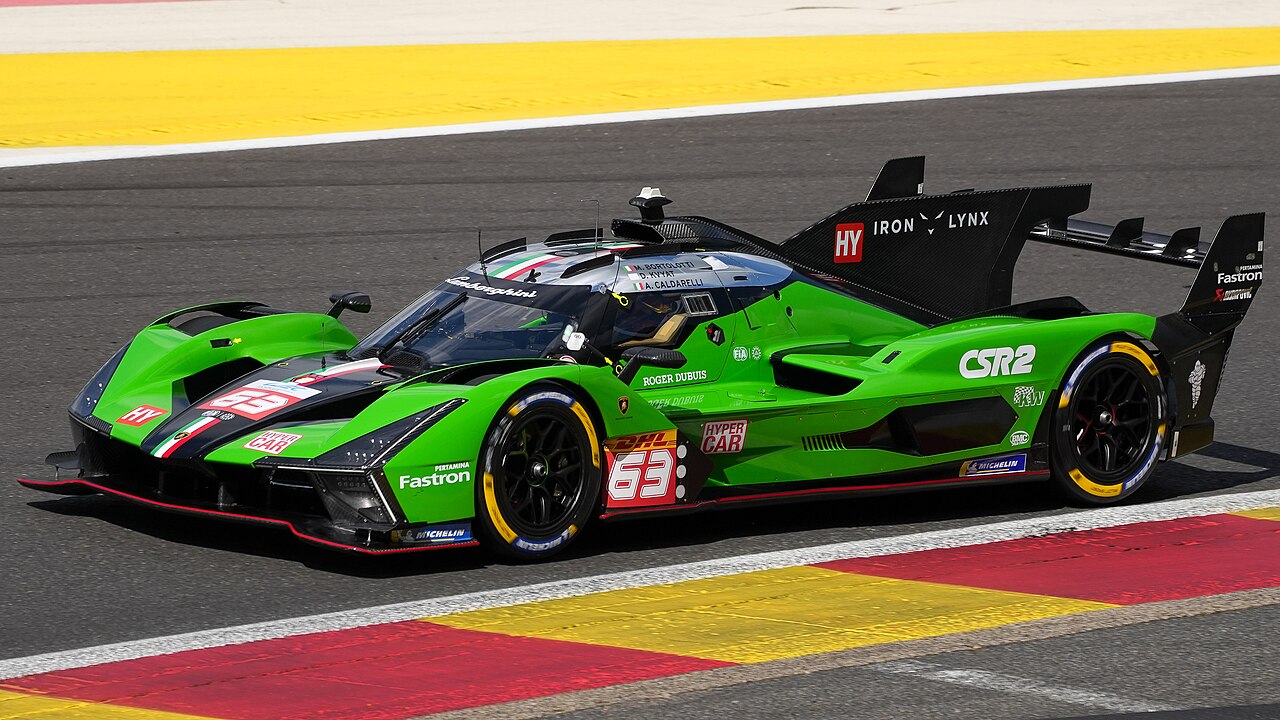


Characteristics and design
Lamborghini cars are notable for their mid- or rear-engined layouts, emphasis on extreme styling and a long tradition of large-displacement engines, especially V12 units. Many models incorporate signature features such as sharply angled bodywork, low-slung proportions and, on several flagship models, scissor-style doors. The brand balances attention-grabbing aesthetics with engineering aimed at high-speed stability, handling and performance.
History and development
The company was launched to build refined grand tourers that could compete with established marques. Early breakthroughs included mid-engined designs that changed sports-car packaging. Over decades Lamborghini produced influential models that helped define the modern supercar. Ownership evolved through financial ups and downs and the marque became part of a larger automotive group in the late 20th century, which supported investment and wider distribution.
Notable models and uses
- Classic and formative: Miura — widely credited with popularizing the mid-engine supercar layout.
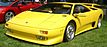
- Iconic 1970s–80s models: Countach and later Diablo, known for drama and performance.
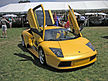
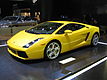
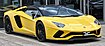
- Modern supercars: Murciélago, Gallardo, Aventador and Huracán — spanning V12, V10 and V8 architectures.
- SUV and expansion: Urus — a high-performance SUV that broadened the brand's market reach.
Vehicles serve collectors, enthusiasts and occasional track use; the marque also produces limited editions and bespoke commissions that emphasize rarity and exclusivity.
Distinctive facts and future direction
Lamborghini's emblem — a charging bull — and its emphasis on theatrical design have secured a strong place in automotive and popular culture. The company has diversified into motorsport activities, special programs and hybrid technology for some limited models. Looking forward, the brand is exploring electrification and new performance architectures while preserving the dramatic styling and performance ethos that define its identity.
Vehicles
Serial models
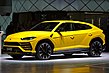
The current model lineup includes three basic models: the entry-level Huracán, the top-of-the-line Aventador, and the Urus SUV, which went into production in 2018.
| Timeline of Lamborghini models from 1960 to today | |||||||||||||
| Type | ... Ferruccio Lamborghini | Rossetti/Leimer | Mimram | Chrysler | Megatech | ||||||||
| 60s | 70s | 80s | 90s | 2000s | 2010s | 2020s | |||||||
| 0 | 1 | 2 | 3 | 4 | 5 | 6 | 7 | 8 | 9 | 0 | 1 | 2 | 3 | 4 | 5 | 6 | 7 | 8 | 9 | 0 | 1 | 2 | 3 | 4 | 5 | 6 | 7 | 8 | 9 | 0 | 1 | 2 | 3 | 4 | 5 | 6 | 7 | 8 | 9 | 0 | 1 | 2 | 3 | 4 | 5 | 6 | 7 | 8 | 9 | 0 | 1 | 2 | 3 | 4 | 5 | 6 | 7 | 8 | 9 | 0 | 1 | |
| 350GT | ||||||||||||||||||||||||||||||||||||||||||||||||||||||||||||||
| 400GT | Islero | Jarama | ||||||||||||||||||||||||||||||||||||||||||||||||||||||||||||
| Espada | ||||||||||||||||||||||||||||||||||||||||||||||||||||||||||||||
| Urraco | ||||||||||||||||||||||||||||||||||||||||||||||||||||||||||||||
| Sports car | Silhouette | Jalpa | ||||||||||||||||||||||||||||||||||||||||||||||||||||||||||||
| Urus | ||||||||||||||||||||||||||||||||||||||||||||||||||||||||||||||
| LM002 | ||||||||||||||||||||||||||||||||||||||||||||||||||||||||||||||
| Construction time | Model | vehicles produced | Power | vmax | Time (s) | Photo |
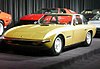
| 1964–1967 | Lamborghini350 | 135 | 206 | 250–280 | 6,8 |
|
| 1966–1968 | Lamborghini400 | 23250 | 235 | 270 | 6,4 |
|
| 1966–1973 | 275338 | 235–309 | 274–295 | 5,5–6,8 |
| |
| 1968–1970 | LamborghiniIslero | 155 as 400 GT75 as | 235–257 | 260–265 | 6,2 |
|
| 1968–1978 | LamborghiniEspada | 176 as S1578 as | 257 | 245 | 6,5 |
|
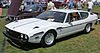
| 1970–1976 | LamborghiniJarama | 177 as 400 GT150 | 257–268 | 245–270 | 5,9–6,8 |
|
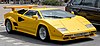
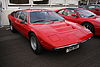
| 1974–1990 | 1 as LP 500157 as | 260–335 | 275–330 | 4,2–5,9 |
| |
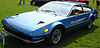
| 1975–1979 | LamborghiniUrraco | 21 as P11166 | 134–195 | 215–260 | 5,5–7,1 |
|
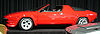
| 1976–1981 | LamborghiniSilhouette | 55 as P118 | 189 | 250 | 7,0 |
|
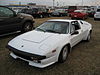
| 1981–1988 | LamborghiniJalpa | 420 as P350 | 187 | 248 | 6,5 |
|
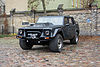
| 1982–1993 | LamborghiniLM002 | 301 | 335 | 223 | 8,2 |
|
| 1990–2001 | 873 as 2wd140 as | 362–434 | 325–338 | 3,5–4,1 |
| |
| 2001–2010 | MurciélagoMurciélago | 426–493 | 320–342 | 3,2–3,8 |
| |
| 2003–2013 | GallardoGallardo | 368–419 | 309–325 | 3,4–4,3 |
| |
| since 2011 | AventadorAventador | 515–566 | 350 | 2,8–2,9 |
| |
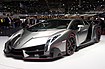
| 2013 | LamborghiniVeneno | 3 as coupé | 550 | 355 | 2,8 |
|
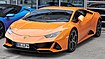
| since2014 | Huracán LP 610-4Huracán | 427–471 | 320–325 | 2,9–3,4 |
| |
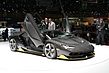
| 2016–2018 | LamborghiniCentenario | Centenario LP 770-4Centenario | 566 | 350 | 2,8–2,9 |
|
| since 2018 | LamborghiniUrus | 478 | 305 | 3,6 |
| |
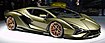
| since 2019 | LamborghiniSián | FKP 37 as CoupéRoadster | 602 | 350 | 2,8 |
|
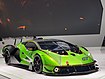
| since 2020 | LamborghiniEssenza | 40 | 610 | 305 |
|
Prototypes and individual pieces
In addition to the production models, there were also a number of prototypes and one-offs such as the Veneno and Egoista.
Sports cars and coupés
- Lamborghini 350 GTV (1963, Turin Motor Show, design by Franco Scaglione)
- 3500 GTZ Zagato (1965, London Motor Show, by Zagato)
- 350 GTS (1965, Paris Salon, from Touring)
- 400 GTS (1966, from Touring)
- Monza 400 (1966, by Neri e Bonacini)
- Flying Star II (1966, from Carrozzeria Touring)
- P400 Stuardi Sonata (1966, by Enzo Stuardi)
- Marzal (1967, Turin Motor Show, by Bertone)
- Miura Roadster (1968, by Bertone)
- Jay (1970)
- Miura SVJ (after 1971, by Lamborghini and external coachbuilders)
- Jarama Sport (1972)
- Bravo (1974, Turin Auto Show)
- Urraco Bob (1974)
- Miura SVR (1974)
- Faena (1978, Turin Auto Show, by Frua)
- Athon (1980, Turin Motor Show, by Bertone)
- Marco Polo (1982, Bologna Motor Show, by Italdesign Giugiaro)
- Countach Turbo S (1984, Franz Albert Tuning)
- Countach Evoluzione (1986)
- Portofino (1987, IAA Frankfurt)
- Genesis (1988, Turin Auto Show, by Bertone)
- P140 (1987/1993, by Marcello Gandini and Luigi Marmiroli)
- Cala (1995, Geneva Motor Show, by Italdesign Giugiaro)
- Zagato Raptor (1996, Geneva Motor Show, by Zagato)
- Canto P147 (1997, from Zagato)
- Acosta P147 (1998, by Marcello Gandini)
- Heuliez Pregunta (1998, Auto Salon Paris)
- Concept S (2005, Geneva Motor Show)
- Miura Concept (2006, Los Angeles Auto Show)
- Estoque Concept (2008, Auto Salon Paris)
- Sesto Elemento (2010, Auto Salon Paris)
- Aventador J (2012, Geneva Motor Show)
- Veneno (2013, Geneva Motor Show)
- Egoista (2013, Grande Giro Lamborghini)
- Asterion (2014, Auto Salon Paris)
- Centenario (2016, Geneva Motor Show)
- Terzo Millennio (2018, Geneva Motor Show).
- SC18 Alston (2018)
Off-roaders and SUVs
- Cheetah (1977, Geneva Auto Show)
- LM001 (1981, Geneva Auto Show, SUV)
- LM002 (1982, Geneva Auto Show)
- LM003 (SUV 1983)
- LM004 (SUV 1984 study with marine engine)
- LM005 Lagartijo (SUV)
- Urus (SUV)

Lamborghini in Formula 1
→ Main article: Lamborghini Engineering
→ Main article: Modena team
Between 1987 and 1993, Lamborghini competed in Formula One as a rival to Ferrari. The operation was run by Lamborghini Engineering, a Modena-based subsidiary that was largely headed by former Ferrari employee Mauro Forghieri. Lamborghini Engineering essentially acted as an engine supplier to other teams; in addition, they also fielded their own chassis for the 1991 season, which was entered in the Formula One World Championship under the name Modena Team. Other customer teams included BMS Scuderia Italia, Larrousse, Ligier, Lotus and Minardi.

Related articles
Author
AlegsaOnline.com Lamborghini (Automobili Lamborghini S.p.A.) Leandro Alegsa
URL: https://en.alegsaonline.com/art/55688