
Lamiaceae (Labiatae) — the mint family
Lamiaceae, or Labiatae, is the aromatic mint family of flowering plants. It includes many culinary herbs, ornamentals and medicinal species characterized by square stems and two-lipped flowers.
Lamiaceae, commonly called the mint family and historically known as Labiatae, is a widespread group of flowering plants. Estimates vary, but the family comprises roughly about 210 genera and around 3,500 species, with diversity concentrated in temperate and Mediterranean climates. Members range from low-growing herbs to shrubs and rarely small trees.
Image gallery
8 Images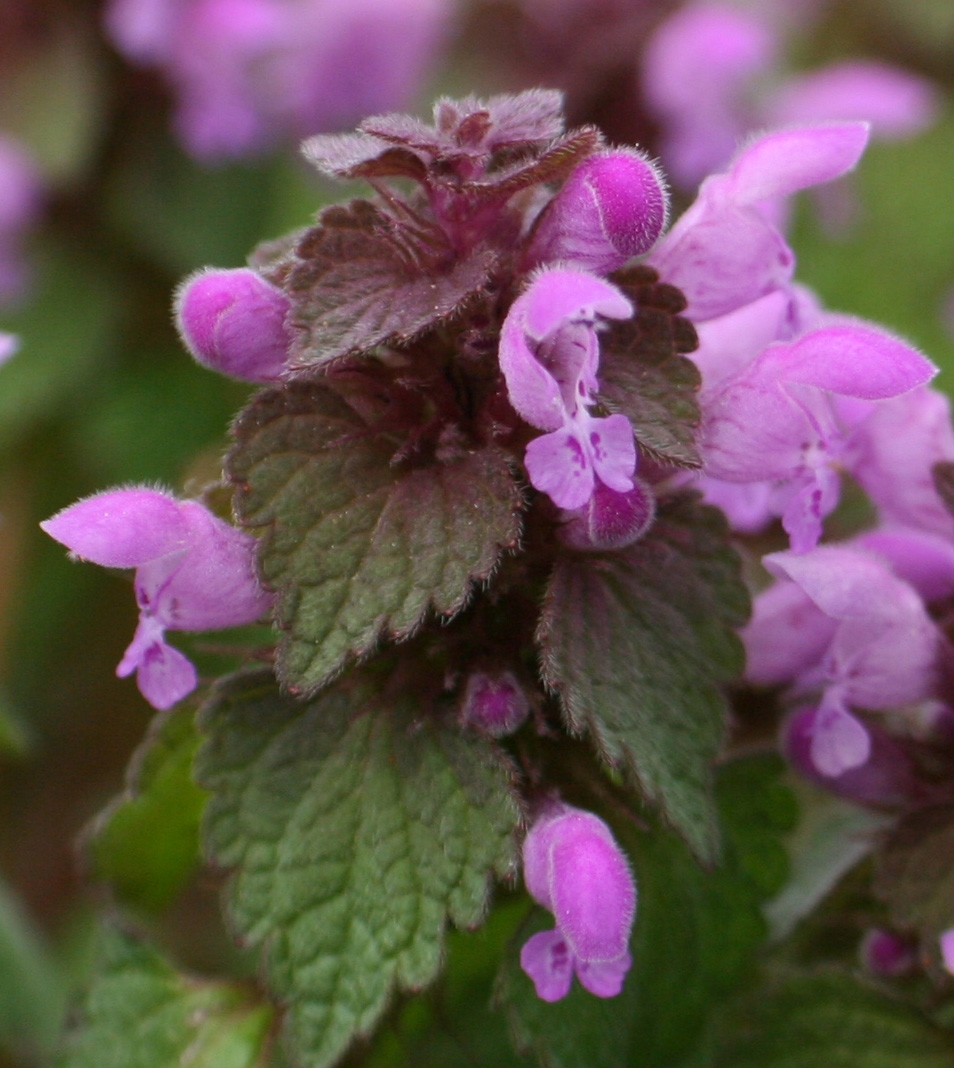


Distinctive characteristics
Lamiaceae are most often recognized by several recurring features: stems that are frequently square in cross-section, leaves set in opposite pairs, and flowers that are typically bilabiate (two-lipped). Many species bear glandular trichomes that produce volatile oils, giving the foliage a characteristic aroma. The fruit generally consists of four small nutlets. These morphological traits help distinguish members of this family in the field.
Taxonomy and evolutionary relationships
The family name Lamiaceae derives from the genus Lamium. Historically treated under the alternative name Labiatae, modern botanical nomenclature prefers Lamiaceae. Molecular phylogenetic work since the late 20th century reshaped understanding of related groups: many genera once placed in Verbenaceae have been reassigned to the Lamiaceae, while the core Verbenaceae were found to be more closely allied with other families within the order Lamiales. This rearrangement reflects DNA-based analysis rather than solely traditional morphological classification.
Uses and examples
Members of the mint family are prominent in human culture and economy. They supply widely used culinary herbs and spices, essential oils for perfumery and aromatherapy, and ornamental plants for gardens. Common and well-known genera include Mentha (mint), Ocimum (basil), Lavandula (lavender), Salvia (sage), Thymus (thyme) and Origanum (oregano). Their aromatic foliage and nectar-rich flowers also make them valuable for beekeeping and pollinator-friendly plantings.
Notable distinctions and facts
- Common field identifiers: square stems, opposite leaves, bilabiate corollas and four nutlets.
- Economic importance: culinary herbs, medicinal species, garden ornamentals and essential oils.
- Taxonomic caution: generic limits and species counts can vary as taxonomists revise classifications based on new molecular data.
For an overview of the group's diversity and classification consult botanical references or regional floras. The family remains one of the most familiar and useful plant groups worldwide, combining distinctive morphology with broad cultural significance.
Family overview • mint family • plant group • genera • species • Verbenaceae • Lamiales
Questions and answers
Q: What is Lamiaceae?
A: Lamiaceae is the mint family, which is a family of plants.
Q: How many genera are included in Lamiaceae?
A: Lamiaceae includes about 210 genera.
Q: How many species are included in Lamiaceae?
A: Lamiaceae includes about 3,500 species.
Q: What was Verbenaceae considered to be closely related to?
A: Verbenaceae was considered closely related to Lamiaceae.
Q: What did phylogenetic studies in the 1990s show about the classification of some genera?
A: Phylogenetic studies in the 1990s showed that a lot of the genera classified in Verbenaceae belong instead in Lamiaceae.
Q: Are the core genera of Verbenaceae closely related to Lamiaceae?
A: No, the core genera of Verbenaceae are not closely related to Lamiaceae and are more closely related to other members of the Lamiales.
Q: How many genera and species are included in the entire Lamiales order?
A: The text does not provide this information.
Related articles
Author
AlegsaOnline.com Lamiaceae (Labiatae) — the mint family Leandro Alegsa
URL: https://en.alegsaonline.com/art/55704