
Lagunaria: the coastal hibiscus-like tree
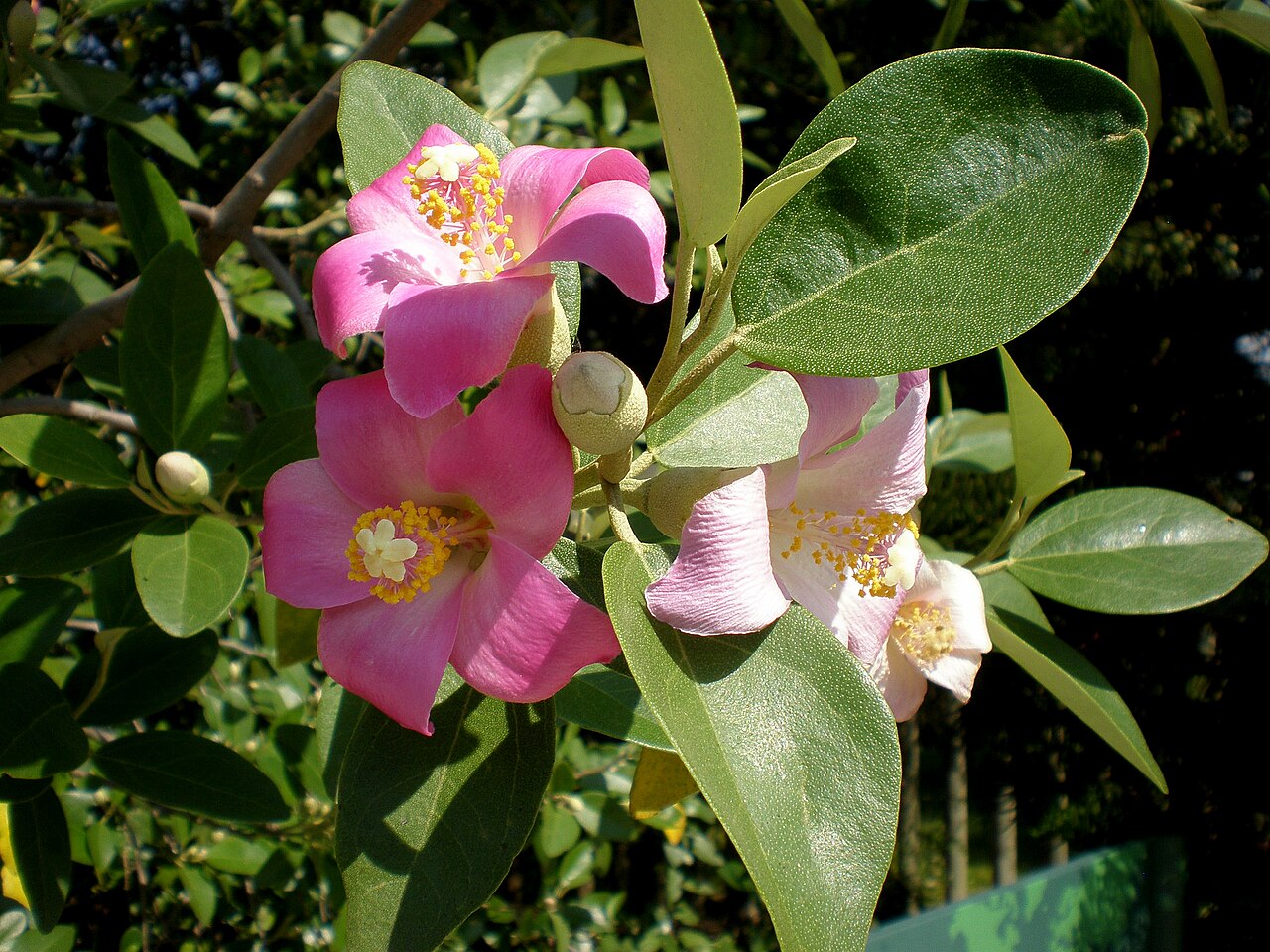
Lagunaria is an evergreen mallow valued for its large pink, hibiscus-like flowers and tolerance of coastal conditions. Native to islands in the southwest Pacific, it is used as an ornamental, screen or street tree.
Overview
Lagunaria is a small genus of evergreen trees and shrubs in the mallow family (Malvaceae), best known for the species often called Norfolk Island hibiscus. It is grown primarily as an ornamental because of its showy, single flowers that resemble hibiscus blooms and its capacity to tolerate wind and salt spray in coastal landscapes.
Image gallery
6 Images




Key characteristics
The plant produces broad, glossy leaves and conspicuous funnel-shaped flowers in shades of pink, mauve or white, typically with a contrasting centre and a column of yellow pollen-bearing stamens. After flowering, woody seed capsules form that can split open to reveal fibres or hairs. These seed hairs are noted for being irritating to skin, eyes and respiratory passages in some people, so care is advised when handling spent fruit.
- Foliage: evergreen, leathery leaves.
- Flowers: large, single, hibiscus-like; seasonally abundant.
- Fruit: dry capsules containing hairy seeds; irritating hairs possible.
Origin and distribution
Lagunaria is native to islands in the southwest Pacific and adjacent Australian coasts, where it evolved to withstand maritime exposure. Because of its ornamental appeal and hardiness it has been planted widely outside its native range and can naturalise in suitable climates.
Cultivation and care
This plant prefers well-drained soil and full sun but tolerates a wide range of soils and coastal conditions. It is commonly propagated from seed or cuttings. Routine pruning shapes the tree and reduces litter from spent flowers and seed capsules; when pruning or collecting seed, wear gloves and eye protection to avoid contact with potentially irritant hairs.
Uses, management and further reading
Lagunaria is used as a specimen tree, informal screen, street tree or windbreak in temperate to warm maritime gardens. It can be confused with true hibiscus species because of floral similarity, but it belongs to a different genus within the mallow family. For cultivation tips and regional advice consult horticultural references or local plant guides: horticulture resource and regional plant database.
Notable cautions include the seed-hair irritation and occasional pest issues typical of ornamental trees. When chosen and managed appropriately, Lagunaria provides long-lasting floral display and good performance in coastal plantings.
Related articles
Author
AlegsaOnline.com Lagunaria: the coastal hibiscus-like tree Leandro Alegsa
URL: https://en.alegsaonline.com/art/55410