
Kindergarten: early childhood education and the transition to school
Kindergarten is a play-centred early childhood education stage that prepares children for primary school. It varies by country in age, curriculum and status, and includes diverse models like Montessori or forest kindergarten.
Kindergarten—literally "children's garden"—refers to an organized early childhood program that helps young children move from the home environment into formal schooling. It emphasizes guided play, social interaction and foundational learning rather than formal instruction alone. The age range for kindergarten varies by country and system, commonly spanning preschool years up to the point a child begins compulsory primary education. For an overview of how kindergarten fits into different national systems, see education stages.
Image gallery
10 Images



Core characteristics and daily activities
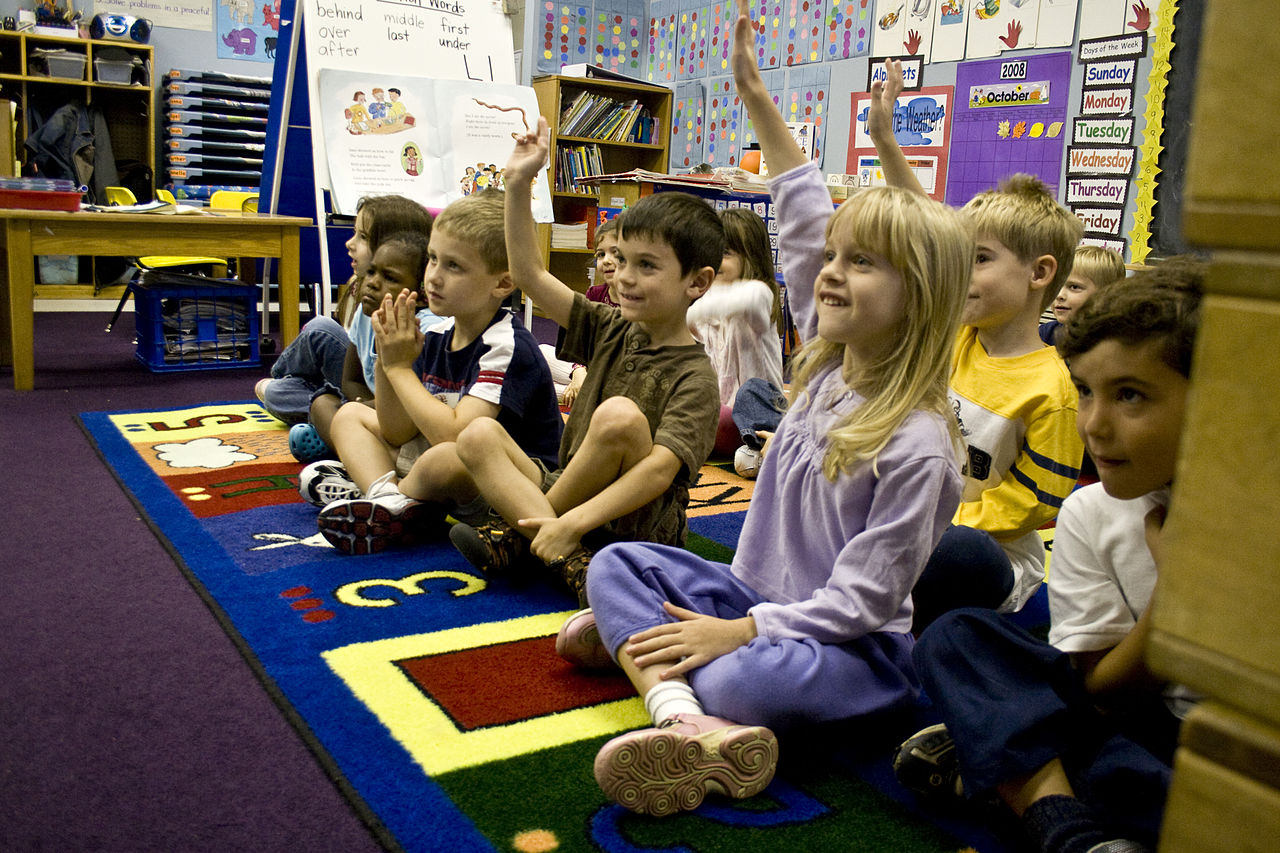
Contemporary kindergarten programs blend play-based learning with simple literacy, numeracy and motor-skill activities. Typical goals include social-emotional development, language and communication, basic problem solving, fine and gross motor coordination, and creative expression. Classrooms often use activity stations, storytelling, songs, outdoor play and group projects. Many descriptions of classroom practice and play-focused pedagogy can be found at early learning resources and preschool curriculum guides.
Models and approaches
Different pedagogical models influence how kindergarten is delivered. Examples include Montessori and Reggio Emilia approaches (which emphasize child-led exploration and the environment as teacher), Waldorf schools (with a rhythm-based curriculum), and outdoor or "forest" kindergartens (which prioritize nature and risk-managed play). Public systems may follow national frameworks while private or alternative settings adopt specific philosophies. Comparative summaries and model descriptions are available via curricular comparisons and specialist sites such as alternative education.
History and origins
The concept of kindergarten was introduced in the 19th century by Friedrich Fröbel, a German educator who imagined a nurturing, garden-like setting where young children could grow through play and guided activity. Fröbel's ideas profoundly influenced early childhood education internationally and encouraged the development of formal preschool provision in many countries. For historical context and biographical notes, consult historical summaries and writings on early childhood pioneers at education history.
Variations between countries
How kindergarten is positioned in the education system differs worldwide. In some nations it is part of the broader preschool sector, while in places such as parts of North America and Australia it is formally the first year of primary school. Ages commonly served range from about three to seven years, but legal starting ages and whether attendance is compulsory vary. Many children also attend a pre-kindergarten year, especially in the United States, Canada and Turkey, which is intended to support readiness for the kindergarten year; see regional summaries at North American practice, Canadian frameworks and international comparisons.
Importance, outcomes and debates
Research and practice highlight kindergarten's role in preparing children for school routines, peer relationships and basic learning habits. Well-designed programs promote long-term benefits in social competence and later academic success, though debates continue about the balance between free play and academic preparation, the appropriate starting age, and equitable access to quality early childhood education. Parents and policymakers use evidence and local priorities to shape whether kindergarten emphasizes play, academics, or a mixed approach; further guidance and policy summaries are available through the linked resources above.
Related articles
Author
AlegsaOnline.com Kindergarten: early childhood education and the transition to school Leandro Alegsa
URL: https://en.alegsaonline.com/art/53510