
Primary school: purpose, structure, curriculum and global variations
Overview of primary (elementary) schooling: age range, typical curriculum, regional differences, history, role in child development, transitions to secondary education and common challenges.
A primary school—also called an elementary or grade school in some regions—is the first stage of formal compulsory education for young children. It usually follows early childhood settings such as playgroups or preschool and precedes secondary education. Primary education commonly begins around ages five to seven and continues for about four to eight years, depending on national systems. The term school in this context denotes an institution that provides structured learning, socialisation and basic civic skills to children in their formative years.
Image gallery
10 Images


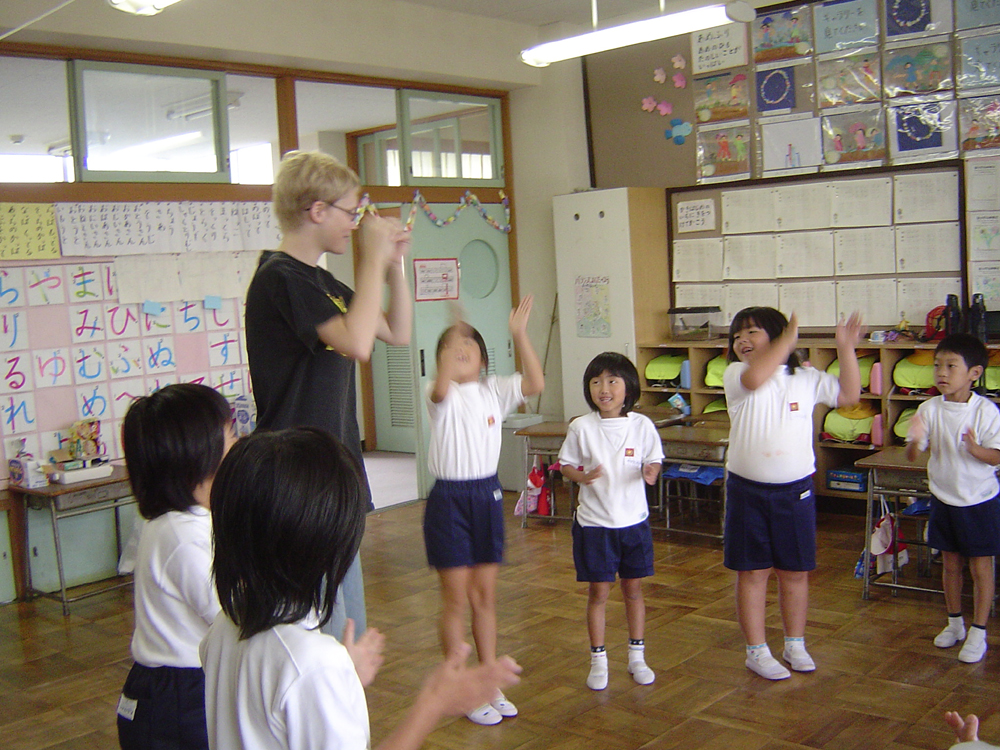


Core aims and curriculum
The principal aim of primary schooling is to establish foundational skills and knowledge that enable children to learn independently and participate in wider schooling. This includes early literacy and numeracy, basic scientific awareness and social studies, and the development of motor, social and emotional skills. Typical subject areas include:
- Language and literacy (reading, speaking, listening and early writing).
- Mathematics (number sense, arithmetic and introductory problem solving).
- Science and environmental awareness (basic biology, physical phenomena and local surroundings).
- Social studies and civic awareness (community, local geography and history).
- Creative and physical subjects such as art, music and physical education.
Within curricula, instruction often emphasises a child-centred approach, combining teacher-led lessons with play, hands-on activities and collaborative work. Assessment tends to be formative in early years, moving to more formal testing or national examinations in later primary grades in some countries.
Organisation and common features
Primary schools vary in structure but share several features: class groupings by age or grade, multi-subject teachers or specialist instructors for arts and physical education, and a focus on safeguarding and child welfare. Many systems provide an initial reception year, kindergarten or kindergarten-equivalent stage to ease the transition from home care. Schools can be publicly funded (public) or privately managed (private), with different admission rules, resources and curricular flexibility.
Regional patterns and examples
Different countries organise primary education to reflect cultural, linguistic and administrative priorities. For example, in the United Kingdom a typical primary school may include a nursery year and the first seven years of compulsory school. In the Australian and United States systems, many children begin with kindergarten and complete elementary grades that usually run to year 5 or 6. Terms vary by country: "elementary school" is common in the U.S., while "primary school" is used widely elsewhere.
National models also differ in entry age and grade span. In Germany the Grundschule usually covers grades 1–4, while some regions extend primary schooling to grade 6. In Singapore primary education runs from Primary 1 to Primary 6 and culminates in a national placement examination. Systems in South Asia illustrate further variety: in India primary education often includes early childhood classes (Nursery and Kindergarten) followed by the four or five main primary grades, with considerable differences between urban and rural provision and between states such as West Bengal, Maharashtra, Manipur, Nagaland and Kerala in their approaches to access and mid-day meal programmes.
Other national notes: schools in Singapore start formal primary classes after kindergarten; in Germany English instruction often begins in the later primary years; and in India language instruction typically includes the mother tongue and, in many schools, English, alongside lessons in reading and writing, basic arithmetic, and general knowledge about flora and animals and civic figures. In Bangladesh pre-primary initiatives aim to prepare five-year-olds for formal primary entry.
Historical development and social importance
Primary schooling developed over centuries as societies recognised the need for basic literacy, numeracy and civic education. Mass primary schooling expanded during the 19th and 20th centuries with compulsory laws, public funding and professional teacher training. Today primary education is widely viewed as a human right and an essential foundation for social mobility, economic opportunity and lifelong learning.
Challenges and variations in access
Access, quality and outcomes remain uneven. Rural and underserved communities often face shortages of trained teachers, inadequate facilities and materials, and higher dropout rates. Governments and NGOs address these through policies for free primary schooling, school meal schemes (such as mid-day meals in parts of India), language-appropriate instruction, and targeted enrolment initiatives. These interventions aim to reduce disparities and ensure that primary schooling fulfils its role as the gateway to secondary education and broader participation in society.
Key distinctions and summary
- Primary school is the first stage of formal compulsory education and varies in length and starting age worldwide.
- Curricula focus on literacy, numeracy, basic science, social studies and personal development.
- Organisation can be public or private; many systems include an initial kindergarten or nursery year.
- National differences reflect language policy, examination systems and historical development.
For further reading about how primary education is organised and the policies that shape access and quality, consult local education authorities and international resources on early schooling and child development via links such as learning initiatives and national education portals represented here by placeholder links.
Secondary transition, teacher training, school health programmes and community involvement remain central to improving primary education worldwide. Practical examples, reform case studies and statistical overviews are available through country-specific portals and academic publications represented here with the remaining placeholders: nursery, Australia, U.S., kindergarten, public, private, language, arithmetic, flora, animals, West Bengal, Maharashtra, Manipur, Nagaland, Kerala, Singapore, Germany.
Questions and answers
Q: What is a primary school?
A: A primary school, also known as an elementary or grade school, is a school for children between the ages of about five and eleven. It comes after preschool and prepares students for secondary education.
Q: How does pre-primary education work in Bangladesh?
A: In Bangladesh, pre-primary classes start with the 5year old children learning program where they are taught with joy and happiness. Students from ages six to eleven finish their learning at primary school before moving on to secondary education.
Q: What is the typical structure of a primary school in the United Kingdom?
A: In the United Kingdom, a primary school usually comprises a nursery and the first seven years of a child's full-time learning.
Q: How long does primary schooling last in Australia and the United States?
A: In Australia and the United States, primary schooling begins with kindergarten and lasts for six years until fifth or sixth grade.
Q: What is "Primary Education" in India?
A: In India, "Primary Education" refers to Nursery, Kindergarten, and four years of regular schooling thereafter. Admission to Nursery classes starts at two years old so that students enter Class I when they are six years old.
Q: How does Primary Schooling work in Singapore?
A: In Singapore, Primary School refers to students who are normally between 7 to 12 years old (classified as P1 to P6). At the end of P6, students sit for a national level Primary School Leaving Exam (PSLE) which is used for placement into Secondary School. Prior to Primary School there are two year Kindergarten programs available.
Q: What is Grundschule in Germany?
A: Grundschule is German for 'Primary School' which typically goes from first grade through fourth grade - usually catering to children aged 6-10 but sometimes up to age 12 depending on location within Germany. Subjects taught include Maths, German language & literature as well as General Knowledge such as nature studies & physical education
Related articles
Author
AlegsaOnline.com Primary school: purpose, structure, curriculum and global variations Leandro Alegsa
URL: https://en.alegsaonline.com/art/79026