
Kollel: Advanced Jewish Institute for Married Torah Scholars
A kollel is a traditional Jewish institute for advanced, usually married, Torah study. This article explains its purpose, structure, history, funding, variations and differences from a yeshiva.
Overview
A kollel (Hebrew: kolel) is an institution devoted to advanced Jewish learning, emphasizing intensive study of the Torah, the Talmud and later rabbinic writings. Unlike many student programs, a kollel typically enrolls married scholars who pursue full-time study while receiving a modest stipend. It exists within a range of Jewish communities and educational streams, from Haredi to Modern Orthodox settings, with different emphases and goals.
Image gallery
2 Images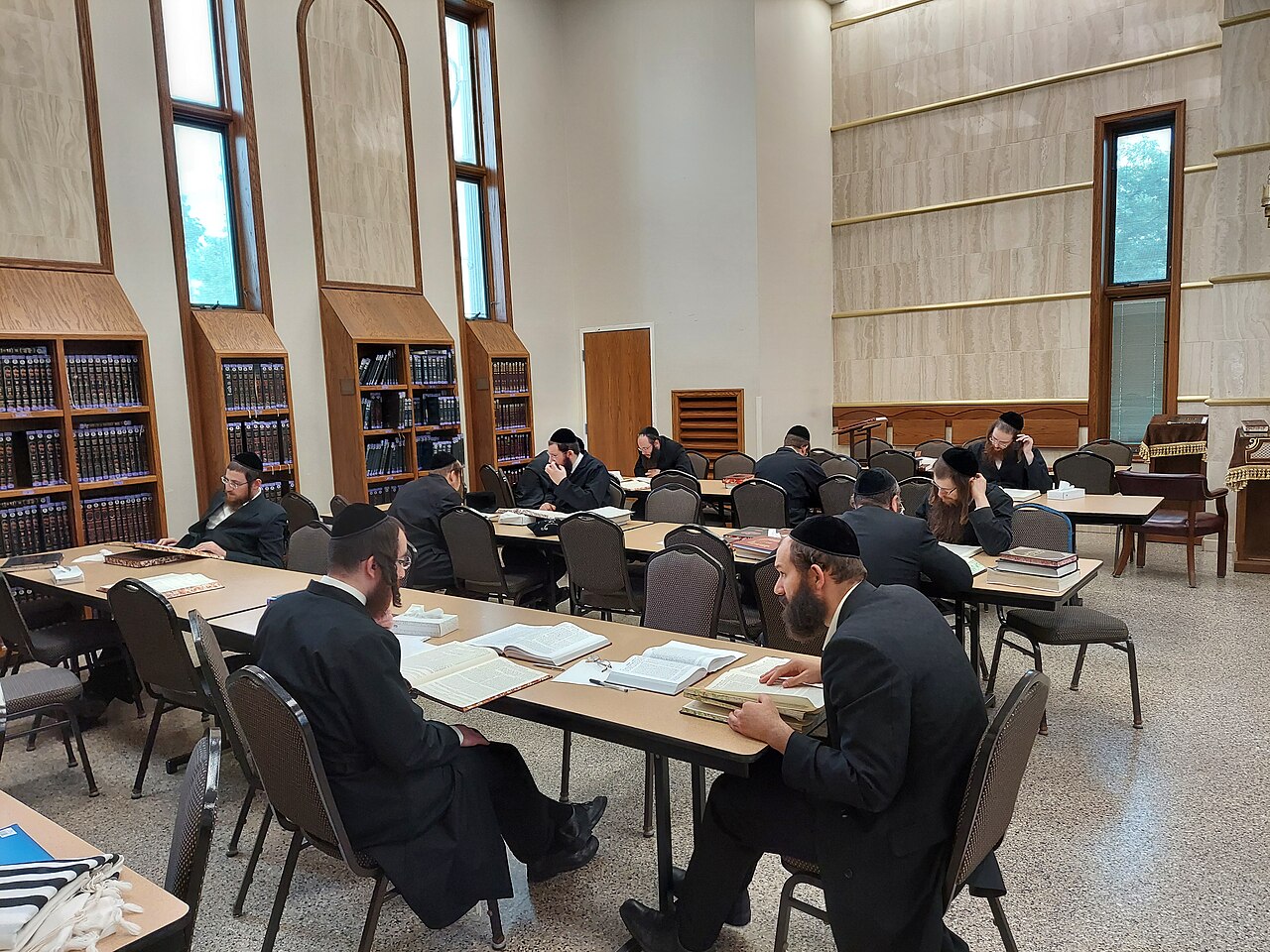

Characteristics and structure
Common features of a kollel include sustained chavruta (paired) study, shiurim (lectures), and guided supervision by senior rabbis. Some kollels focus on halachah (Jewish law), others on Talmudic analysis, outreach or community training. Study schedules and expectations vary, but the central aim is uninterrupted, high-level learning that can also prepare participants for roles as teachers, decisors or communal leaders.
- Primary participants: usually married men who remain in intensive study.
- Support: learners commonly receive stipends funded by donors, communal funds or institutional budgets.
- Outputs: graduates often serve as rabbis, educators, or authors and may engage in local outreach.
History and development
The kollel model evolved from earlier yeshiva traditions, growing into a distinct institution over the 19th and 20th centuries as communities sought ways to enable scholars to continue study after marriage. In the 20th century the system expanded significantly in both Europe and the Americas, and in Israel new forms developed alongside state and communal structures. Different communities adapted the kollel idea to local needs, producing a wide variety of formats and sizes.
Functions and social role
Kollelim serve several social and religious purposes. They sustain advanced scholarship within a community, create a cadre of knowledgeable leaders, and allow families to live while preserving full-time study. Some kollelim undertake outreach programs or adult-education initiatives to bring advanced learning to broader audiences. In some regions, analogous programs have been created for women, reflecting contemporary interest in expanded opportunities for adult textual study.
Distinctions and notable facts
The simplest way to contrast a kollel with a yeshiva is that a kollel primarily serves married scholars who receive support, whereas yeshivot more commonly serve younger, often single students progressing through formal stages of education. Funding sources for kollels vary: private philanthropists, community endowments, and in some locales limited public or communal funding all play roles. For further reading and institutional examples, see resources referenced by community centers and scholarly works (Judaism resources).
While models differ, the kollel remains a central institution for preserving and developing textual mastery within Jewish life. Its adaptability has allowed it to persist as both a traditional center of learning and a mechanism for addressing modern communal needs (Talmud study, rabbinic literature, and community leadership initiatives).
For institutional directories and program descriptions consult organizational listings and local community pages (Hebrew term, Torah study, yeshiva distinctions).
Related articles
Author
AlegsaOnline.com Kollel: Advanced Jewish Institute for Married Torah Scholars Leandro Alegsa
URL: https://en.alegsaonline.com/art/54175