
Kyoto University
Major Japanese national research university in Kyoto, founded in 1897 as an imperial university. Renowned for basic research, diverse faculties, multiple campuses, and a tradition of academic freedom.
Overview
Kyoto University (京都大学, often called Kyodai) is a leading national research university located in Kyoto, Japan. Founded at the end of the 19th century, it is widely recognized for its contributions to science, engineering, medicine and the humanities. The institution combines undergraduate education with extensive graduate programs and research institutes.
Image gallery
10 Images

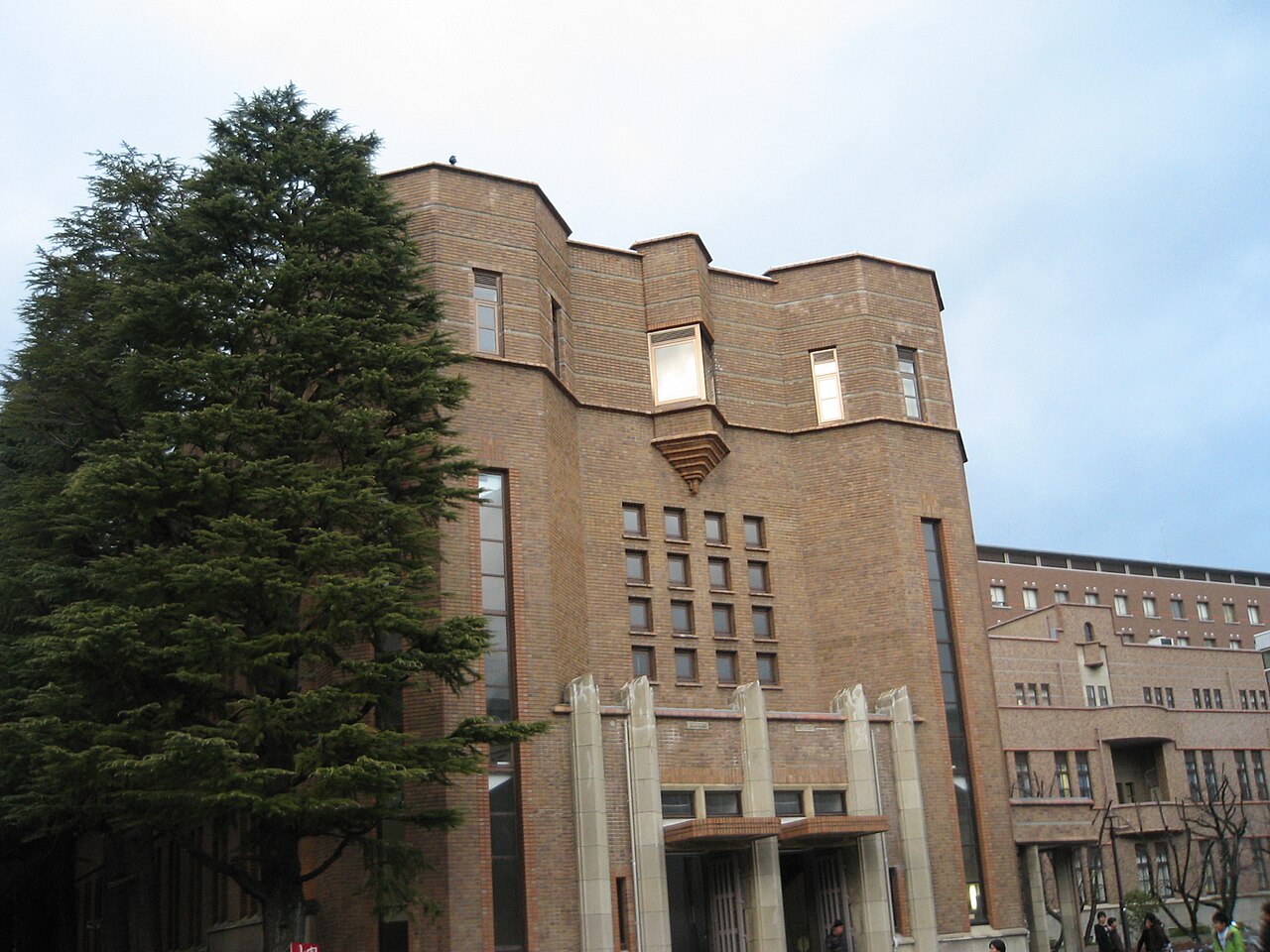


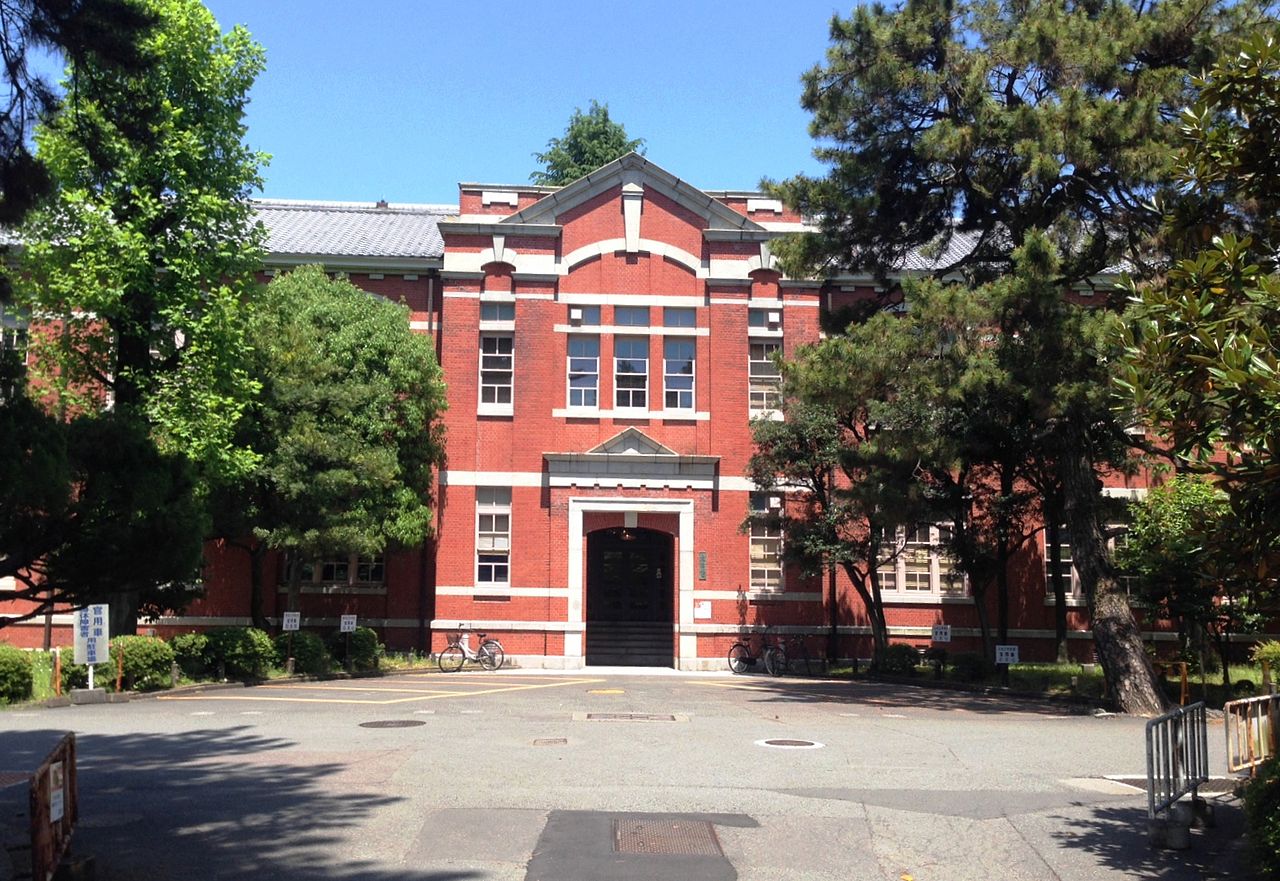

History and development
Established in 1897 as the second of Japan's imperial universities, Kyoto University played a central role in the modernization of Japanese higher education. After World War II it was restructured under the national university system and in the early 21st century it became a national university corporation, a change in governance common to Japan's public universities. For more on its institutional milestones see history resources.
Campuses, faculties and organization
The university's main campus is Yoshida in Kyoto city and it also operates additional campuses and research sites, including locations in Uji and Katsura that host specialized laboratories and graduate units. Academic divisions cover a broad array of fields:
- Humanities and social sciences (letters, law, economics)
- Natural sciences and life sciences (science, agriculture, medicine)
- Engineering and informatics
- Graduate schools and interdisciplinary research centers
Campus maps and faculty pages are available via campus links.
Research, reputation and notable achievements
Kyoto University is particularly noted for basic research and has produced multiple internationally recognized scholars, including Nobel laureates such as Hideki Yukawa in physics. Its strengths include theoretical and experimental physics, chemistry, biology and a range of engineering disciplines. The university maintains collaborations with research institutions worldwide and hosts numerous graduate-level research programs. See institutional research information at research pages.
Known for an intellectual culture that emphasizes academic freedom and originality, Kyoto University continues to be an important center for education and innovation in Japan and beyond. Prospective students and researchers often consult the university's official pages for admissions, program language options and exchange opportunities (official site).
Related articles
Author
AlegsaOnline.com Kyoto University Leandro Alegsa
URL: https://en.alegsaonline.com/art/54778
Sources
- kyoto-u.ac.jp : "Kyoto University: 2008/2009 Facts and Figures"
- kyoto-u.ac.jp : kyoto-u.ac.jp
- kyoto-u.ac.jp : "Historical Sketch"
- kyoto-u.ac.jp : "Chronological Table"
- kyoto-u.ac.jp : "Departments"