
Kargil district: geography, administration, history and significance
Kargil district in the union territory of Ladakh is a high-altitude, strategically located region bordering the Line of Control; this article covers its geography, administration, history, population, economy and transport.
Overview
Kargil is a high-altitude district in the Indian union territory of Ladakh. Located in the western Himalaya, it occupies a strategic corridor close to the de facto boundary with Pakistan and functions as an administrative and market centre for surrounding valleys. The town of Kargil is the district headquarters. The district's location and topography shape its climate, livelihoods and contemporary security concerns.
Image gallery
10 Images


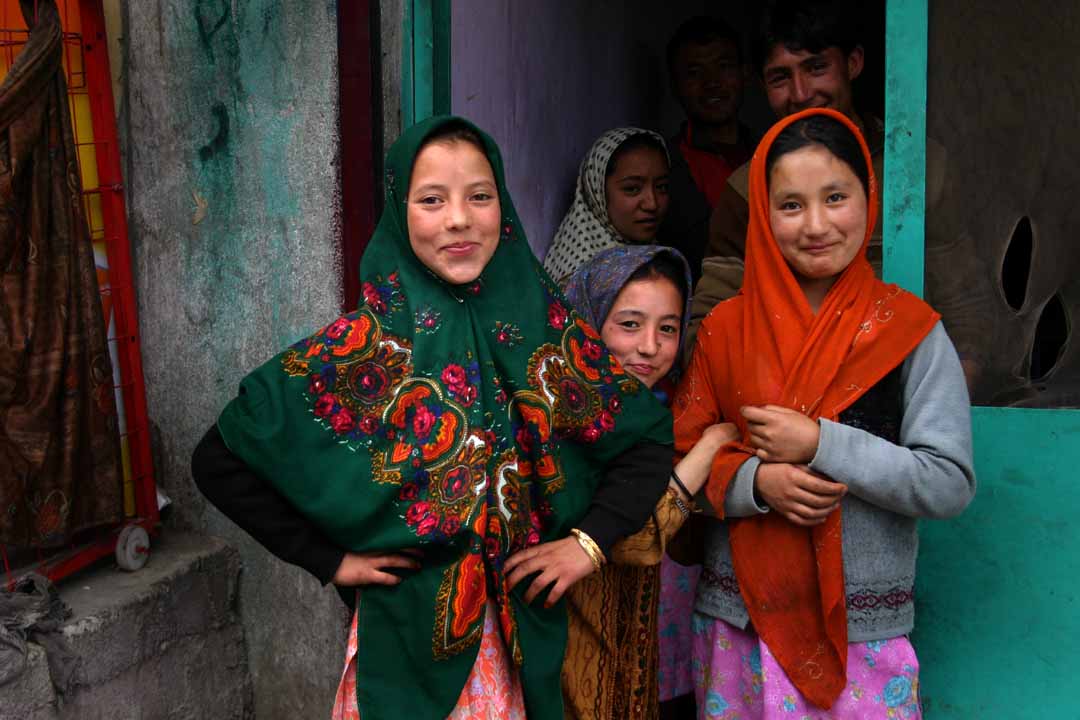


Geography and climate
Kargil lies amid steep mountains, deep river valleys and high passes. To the north it is bordered by the Pakistan-administered region of Gilgit–Baltistan and to the west by the Kashmir Valley and the Jammu divisions; the district meets Leh district to the east and the Indian state of Himachal Pradesh to the south. The principal rivers and tributaries in the region drain glacial and snow melt from surrounding ranges. Winters are long and severe at altitude, with heavy snowfall at higher passes; summers are brief and cool. Valley floors support irrigated fields while higher slopes and plateaus are used for summer grazing.
Administrative structure
Administration in Kargil must accommodate dispersed settlements and difficult terrain. The district is divided into nine development blocks: Kargil, Drass, Sankoo, Taisuru, Shargole, Shakar-Chiktan, Zanskar, GM Pore/Trespone and Lungnak. Civil administration is organised through tehsils and sub-divisions; there are three tehsils — Kargil, Zanskar and Sankoo — and Zanskar and Drass function as recognised sub-divisions headed by Sub Divisional Magistrates. Local governance bodies address development, resource management and service delivery in remote areas.
History and strategic importance
The district has long stood at the crossroads of historic trade and pilgrimage routes linking Central Asia, Tibet and the Indian subcontinent. In contemporary times its proximity to the Line of Control (LoC) has made it strategically sensitive. The district drew international attention during the conflict of 1999, commonly referred to as the Kargil conflict, and since then defence infrastructure, patrol routes and restricted zones have had a visible impact on land use and movement. Civilian life and development plans operate alongside military and security considerations.
Population, culture and languages
Kargil's population includes a mixture of communities with cultural links to Tibetan, Central Asian and South Asian traditions. Large parts of the district are inhabited by Muslim communities; areas such as Zanskar are predominantly Buddhist and share cultural affinities with greater Ladakhi traditions. Languages spoken include Ladakhi varieties, regional dialects and broader lingua francas used for administration and trade. Local festivals, monasteries, mosques and folk customs reflect this cultural diversity.
Economy and livelihoods
Traditional livelihoods in Kargil include irrigated agriculture in valley bottoms, horticulture such as orchard cultivation, pastoralism and seasonal trade. Staples and cash crops are grown where irrigation is available; animal husbandry supplies milk, wool and transport for high pastures. Public-sector employment, services, small-scale trade and remittances are increasingly important to household incomes. Challenges to the economy include short growing seasons, limited market access during winter and the need for sustainable management of fragile mountain ecosystems.
Transport, services and access
Access to and within Kargil is constrained by elevation, weather and limited road networks. Principal road links connect the district to the rest of Ladakh and the Kashmir region, but high mountain passes and snow can make routes seasonal. Civilian air services are limited; larger airports in the region serve as entry points, with onward road connections to Kargil. Improving year-round road connectivity, healthcare, education and utility services while balancing environmental and strategic concerns remains a policy priority.
Environment, tourism and challenges
The district's landscapes—river valleys, mountain passes and high-altitude plateaus—offer opportunities for responsible tourism, trekking and cultural visits, though tourism is more limited than in eastern Ladakh due to remoteness and security restrictions. Environmental challenges include glacier retreat, water management, soil erosion and the impacts of infrastructure development. Local and government initiatives address adaptation, disaster preparedness and conservation alongside goals for sustainable development.
Notable features
- Kargil district lies close to the contested Line of Control, which strongly influences its security environment and development priorities.
- The district's western approaches border the Kashmir Valley and Jammu, while to the north it meets Gilgit–Baltistan; these borders shape cultural and economic links.
- The district neighbours Leh district to the east and the state of Himachal Pradesh to the south, and forms part of a broader trans-Himalayan region within the Ladakh union territory administered by the union.
Kargil remains a region where geography, culture and geopolitics intersect. Its communities continue traditional livelihoods while engaging with modern priorities such as infrastructure, education and environmental resilience. Ongoing efforts aim to balance strategic needs with the economic and social development of residents across remote valleys and high pastures.
Questions and answers
Q: Where is Kargil located?
A: Kargil is a district in the Indian union territory of Ladakh.
Q: What are the regions surrounding Kargil?
A: Kargil lies near the Line of Control and is surrounded by the Pakistan-administered region of Gilgit–Baltistan to the north, the Kashmir Valley and Jammu divisions to the west, Leh district to the east and Himachal Pradesh to the south.
Q: How many blocks is Kargil divided into?
A: Kargil is divided into 9 blocks, which are Kargil, Drass, Sankoo, Taisuru, Shargole, Shakar-Chiktan, Zanskar, GM Pore/Trespone and Lungnak.
Q: What are the Tehsils of Kargil?
A: Kargil has three Tehsils, namely Kargil, Zanskar and Sankoo.
Q: Which sub divisions are headed administratively by a Sub Divisional Magistrate?
A: Zanskar and Drass are also sub divisions and are headed administratively by a Sub Divisional Magistrate.
Q: What is Line of Control?
A: The Line of Control is a military control line between the Indian and Pakistani controlled parts of the former princely state of Jammu and Kashmir.
Q: Which Indian union territory is Kargil a part of?
A: Kargil is a district in the Indian union territory of Ladakh.
Related articles
Author
AlegsaOnline.com Kargil district: geography, administration, history and significance Leandro Alegsa
URL: https://en.alegsaonline.com/art/52301
Sources
- censusindia.gov.in : "Census of India 2011 - JAMMU & KASHMIR"
- kargil.nic.in : "Kargil District Administration"