
Karnali Province
Karnali Province is the largest and one of the least densely populated provinces of Nepal, noted for high mountains, remote valleys, rich river systems and cultural diversity.
Karnali Province is a federal province in the west-central part of Nepal. Formed under Nepal's 2015 constitution and first known as Province No. 6, the provincial assembly adopted the name कर्णाली प्रदेश (Karnali Pradesh) in early 2018. It covers a large mountainous area and has a small population relative to its size, with settlement patterns concentrated in river valleys and lower mountain belts.
Image gallery
10 Images




Geography and boundaries
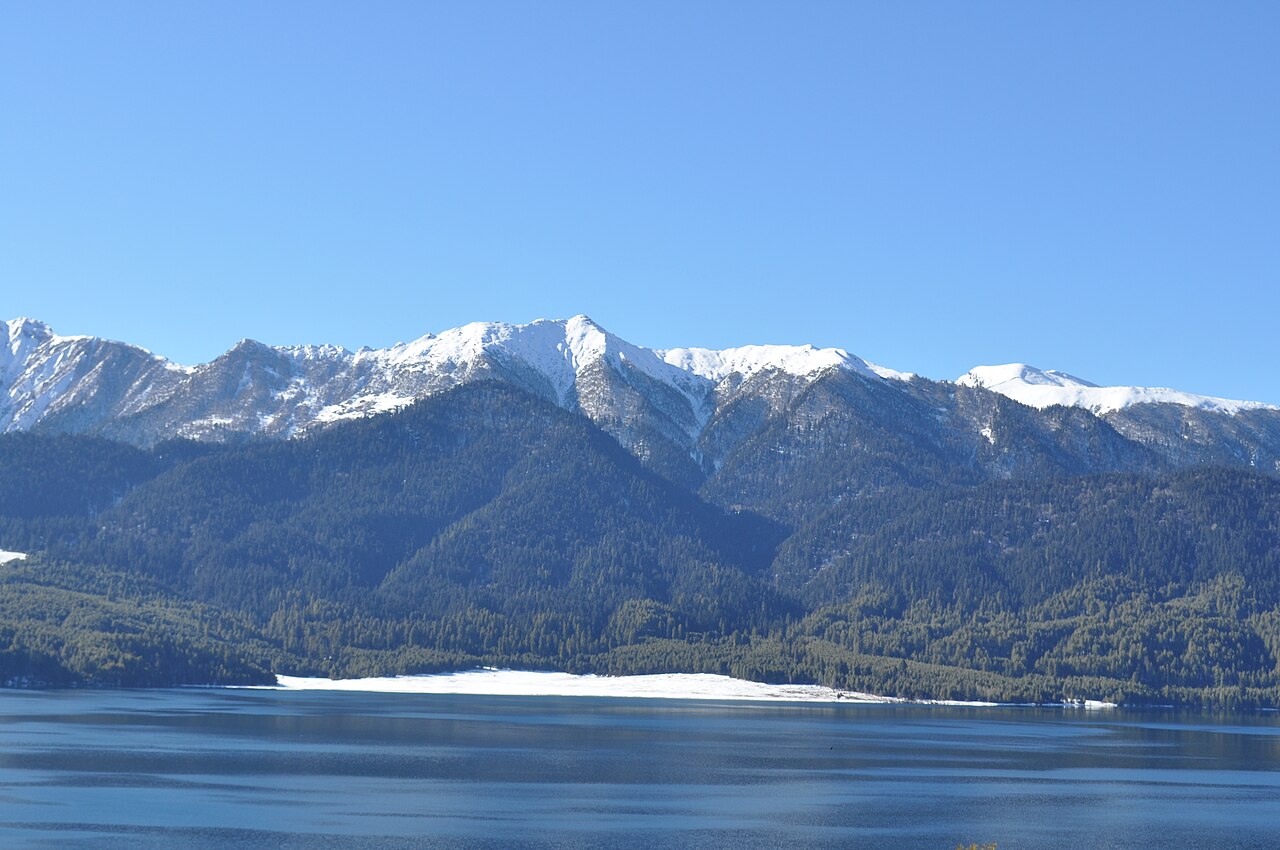
Karnali is the nation's largest province by area, spanning high Himalayan ranges in the north down to mid-hill zones in the south. To the north it borders the Tibet Autonomous Region of China (Tibet), while other provincial neighbors lie to the east, west and south. The province is drained by the Karnali River and its tributaries, which carve deep gorges and feed important downstream systems.
Administrative structure and places
The provincial capital and administrative center is Birendranagar, which also serves as the economic hub. Administratively the province is divided into several districts that combine remote mountain districts and more accessible valley districts. Major towns are dispersed and many communities remain rural and difficult to access by road.
Economy, environment and culture
The economy of Karnali is largely based on subsistence agriculture, livestock, small-scale trade and seasonal migration for work. The province has significant hydropower and natural-resource potential, and contains notable conservation areas and attractions such as high-altitude lakes and national parks. Traditional cultures, languages and ethnic groups remain strong, and many communities maintain distinct local practices.
History and development challenges
Under Nepal's federal rearrangement, Karnali was created to decentralize governance and improve regional development. Persistent challenges include limited transportation infrastructure, seasonal food insecurity in some areas and unequal access to services. Development plans emphasize road connectivity, sustainable hydropower, tourism and improved health and education outreach.
Notable features and distinctions
- Extensive high-mountain terrain with remote valleys and deep river gorges.
- Important ecological sites and potential for eco-tourism and trekking.
- Low population density relative to its geographic size and a strong tradition of local culture.
- Part of Nepal's federal reorganization; formerly known simply as Province No. 6 — see the list of provinces for context: provinces of Nepal.
For further regional information and current administrative details consult provincial resources and national publications that track Nepal's federal governance and development programs. Additional geographic and cultural context is also available from sources on Nepal's national structure and its border regions with China (Tibet) and neighboring provinces.
Questions and answers
Q: What is Karnali Pradesh?
A: Karnali Pradesh is one of the seven federal provinces of Nepal.
Q: What is the total area of Karnali Pradesh?
A: The total area of Karnali Pradesh is 24,453 square kilometres.
Q: How many people live in Karnali Pradesh?
A: According to the 2011 Nepal census, the population of Karnali Pradesh was 1,570,418.
Q: What was Karnali Pradesh previously known as?
A: Karnali Pradesh was previously known as Province No. 6.
Q: What province does Karnali Pradesh border to the north?
A: Karnali Pradesh borders the Tibet Autonomous Region of China to the north.
Q: What is the capital city of Karnali Pradesh?
A: The capital city of Karnali Pradesh is Birendranagar.
Q: When was Karnali Pradesh named as such?
A: Karnali Pradesh was named as such in February 2018 by the Provincial Assembly.
Related articles
Author
AlegsaOnline.com Karnali Province Leandro Alegsa
URL: https://en.alegsaonline.com/art/52378
Sources
- statoids.com : "Nepal Provinces"
- myrepublica.com : "Prov 6 named as Karnali, permanent capital in Birendranagar"
- nepalekhabar.com : "Government finalises provinces' governors and temporary headquarters"
- ddnews.gov.in : "President of Nepal administers oath to Chiefs of seven provinces | DD News"
- setopati.net : "Mahendra Bahadur Shahi set to be Province 6 CM | Setopati - Nepal's Digital Newspaper"
- kathmandupost.ekantipur.com : "High Courts get their chief judges"
- thehimalayantimes.com : "Newly appointed High Court chief judges sworn in"
- thehimalayantimes.com : "CDC creates 495 constituencies"
- kathmandupost.ekantipur.com : "First Provincial Assembly meeting begins in 4 provinces"
- 103.69.124.141 : "स्थानिय तह"
- tools.wmflabs.org : 29°30′N 82°25′E / 29.500°N 82.417°E / 29.500; 82.417