
Kappa (folklore): The water spirit of Japanese myth
A Japanese yōkai associated with rivers and ponds, the kappa is a child-sized, turtle-like water spirit known for tricks, danger to swimmers, a head-dish of water, and rituals to placate or defeat it.
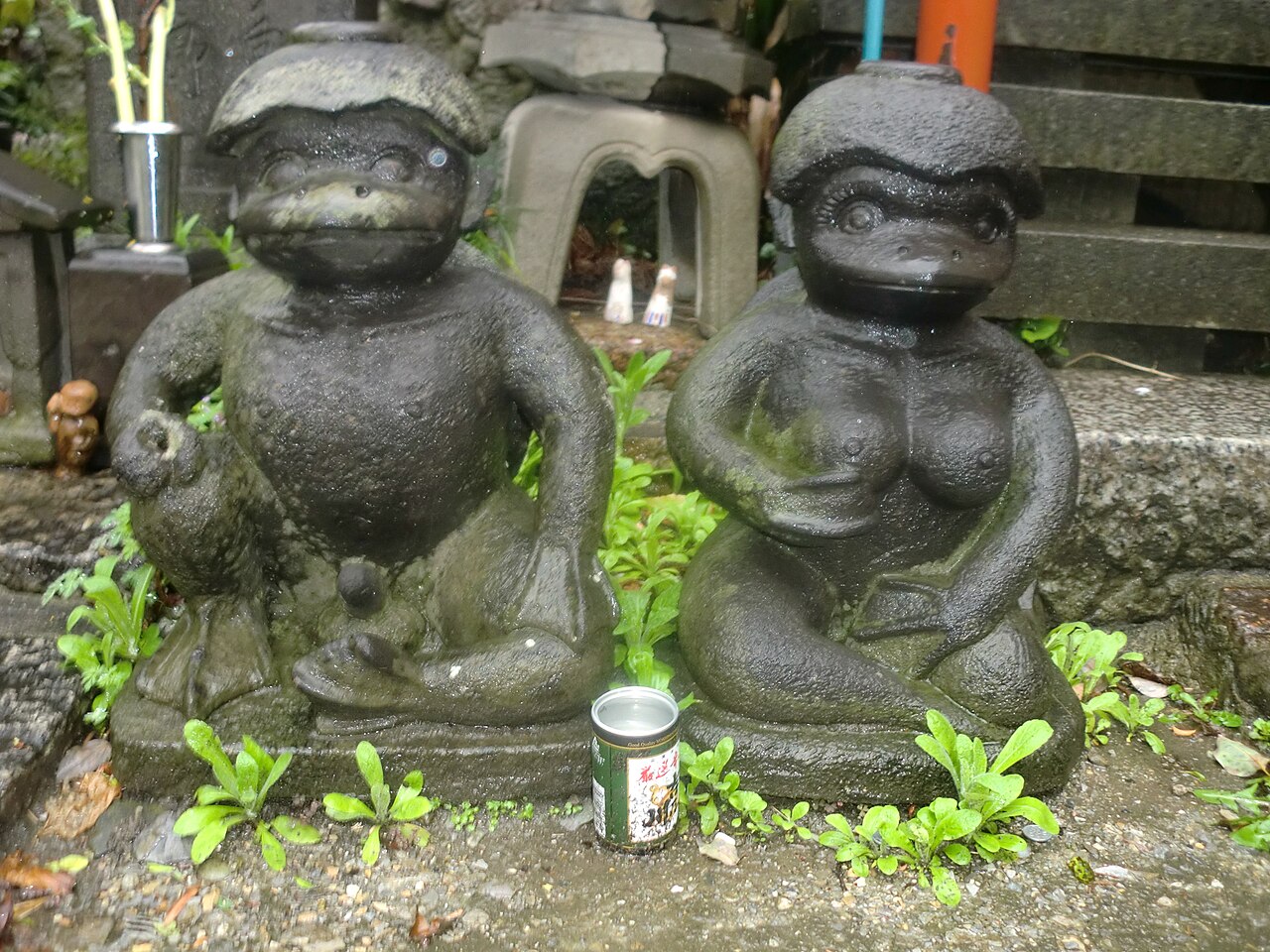
The kappa is a prominent figure in Japanese folk belief: a water-dwelling yōkai long used in cautionary tales and local stories. Often described as roughly the size of a child, the creature blends human and reptilian features—webbed hands and feet, a beaked mouth, and sometimes a shell like a turtle. A distinctive element is the hollow or dish on the top of the head that holds water; that water is said to be the kappa's source of power. Stories about kappa range from mischievous pranks to dangerous assaults, and they have been adapted in art, literature, and modern media.
Image gallery
10 Images




Typical characteristics
Accounts vary by region, but several traits appear repeatedly in folklore:
- Appearance: Child-sized, green or scaly skin, a turtle-like shell in some depictions, beak-like mouth, and webbed extremities.
- Head dish: A bowl-shaped depression on the crown that must remain filled; if the water is spilled the kappa loses strength.
- Behavior: Playful or malicious—pranks, theft from households, and luring people into water are common motifs.
- Diet and danger: Myths sometimes say they eat animals or even humans; particular tales mention the removal of a mythical soul-ball (a motif in some regions), but many stories emphasize the creature as a deterrent used to keep children away from dangerous water.
- Likes and rituals: Cucumbers are traditionally associated with kappa, and offerings or written names on cucumbers appear in local customs aimed at placating them.
Because kappa adhere to a code of politeness in many stories, tricking one into bowing can cause the water in its head-dish to spill, rendering it powerless and allowing people to escape. This motif—etiquette as a defense—illustrates how folklore can blend moral instruction with safety warnings.
Origins and cultural development
Kappa legends likely combine ancient animistic beliefs about river spirits with later Buddhist and Shintō traditions that personified natural forces. Regional variations and numerous local names for the creature reflect how communities adapted the figure to their environment: rivers, ponds, irrigation ditches and waterfalls each yielded different tales. Over centuries the kappa became a versatile element in folklore, functioning both as a supernatural hazard and as a means to teach children river safety.
In art and literature, kappa have been depicted from Edo-period prints to modern manga and children's books. Their portrayal ranges from genuinely frightening to comic or even sympathetic, and they have become a recurring reference in contemporary Japanese popular culture.
Modern significance and notable facts
Beyond folklore, kappa appear in regional festivals, town mascots, and as characters in popular media. They illustrate how traditional beliefs persist and adapt: a creature that once warned of drowning hazards now appears in animation, advertising, and tourism. Some modern retellings emphasize ecological themes—linking kappa to rivers' health—while others play up the creature's trickster side for entertainment.
References and further reading (placeholders):
- General overview
- Folklore studies
- Water spirits
- Spirit categories
- Yōkai reference
- Anatomical descriptions
- Turtle symbolism
- Ape-like features
- Head-dish lore
- Dietary motifs
- Life-draining legends
- Soul-ball motif
- Trickster tales
- Violent variants (cautious reading)
- Child-protection legends
- Comparative pop culture
- Antagonist archetypes
- Gaming influences
- Further media examples
When engaging with kappa stories, it is useful to distinguish local folktales from later popular adaptations. While some versions contain violent or adult themes, many traditional narratives functioned primarily as practical warnings about water safety or as moral tales. The kappa remains a flexible cultural symbol—part cautionary emblem, part mythic being, and part popular icon.
Author
AlegsaOnline.com Kappa (folklore): The water spirit of Japanese myth Leandro Alegsa
URL: https://en.alegsaonline.com/art/52235
Sources
- onmarkproductions.com : Kappa -- River Imp or Sprite