
Yōkai: Supernatural Creatures of Japanese Folklore
Yōkai are diverse supernatural beings in Japanese folklore. This article explains their forms, history from classical to Edo periods, cultural roles, common examples, and how they are studied today.
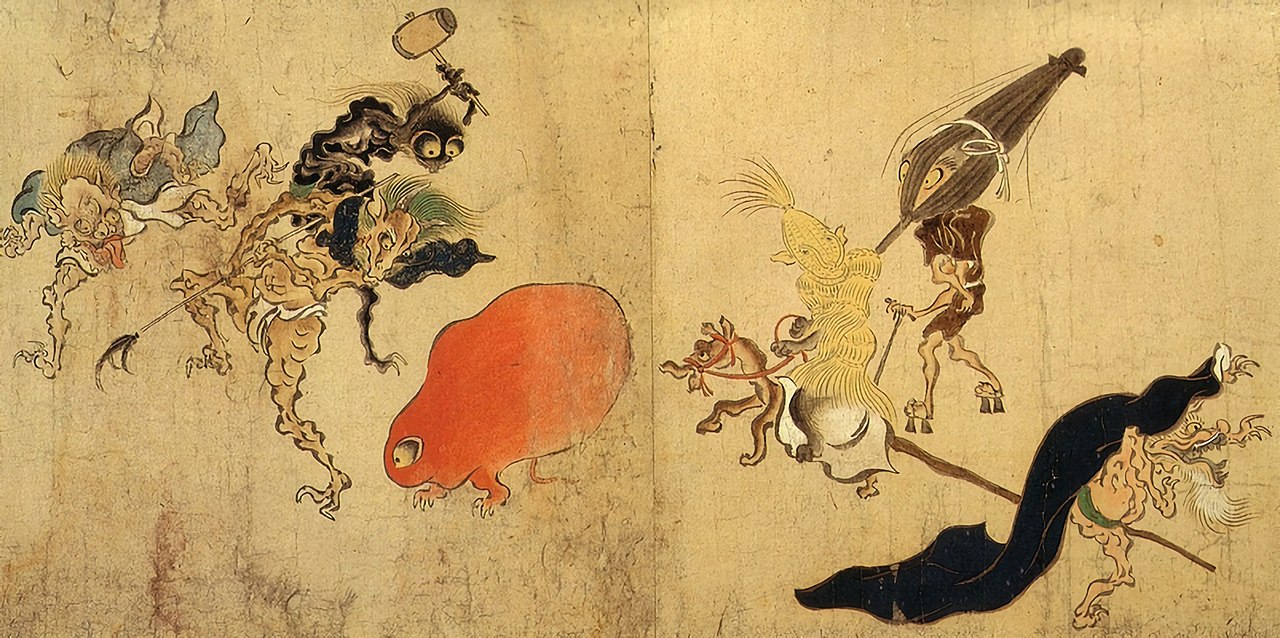
Yōkai (a term often translated as 'monsters,' 'spirits,' or 'apparitions') is an umbrella concept in Japanese folklore for a very wide range of supernatural beings. They can be animate or animate-like: animals with uncanny traits, transformed household objects, ghostly figures, or enormous creatures found in oral tales and literature. Well-known examples include the oni, the kappa, and the tengu, though thousands of named yōkai appear across regional stories and artistic collections.
Image gallery
10 Images





Characteristics and types
Yōkai are not a single type of entity; they vary widely in appearance, temperament, and the kinds of effects they produce. Some are mischievous or tricksters, others are ominous, and some are neutral or even protective. Their traits often include unusual physical features, ambiguous moral motives, and various supernatural abilities such as shape‑shifting, invisibility, or the power to possess people and objects.
- Anthropomorphic foes (e.g., horned or demonic figures like the oni).
- Water spirits and river beings (for example the kappa).
- Mountain and sky entities (such as the birdlike tengu).
- Tsukumogami: everyday items that become animated after long service.
Historical background
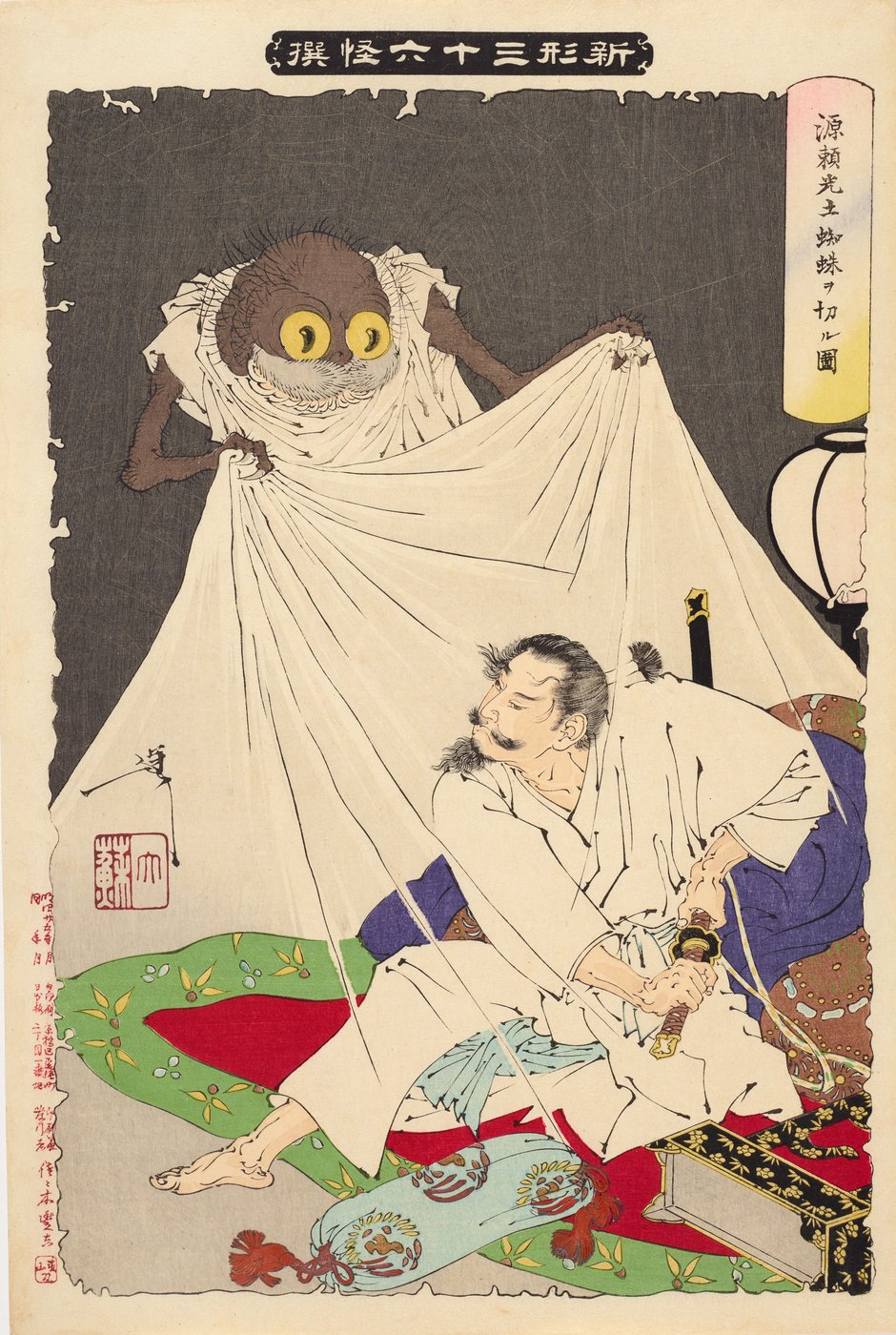
The idea of yōkai draws on ancient animist and folk beliefs in which natural phenomena and places possessed agency. References and depictions appear in Heian‑period tales and in later medieval records, but the Edo period brought a flowering of yōkai imagery in illustrated books, prints, and catalogs produced for a literate public. Compendia from that era helped fix many visual types and names, and scholars and collectors have since compiled modern dictionaries and studies about them (Edo period publications are often cited in this context).
Cultural role and examples
Historically, communities have sometimes explained misfortune by reference to yōkai: sudden illness, disease, strange accidents, or unusual weather events were occasionally attributed to supernatural agency rather than natural causes. Folktales featuring yōkai functioned as warnings, moral lessons, or entertainment. In art and performance they appear in masks, theater, festivals, and later in modern media—manga, film, and games—which continue to reshape popular images of these beings.
Distinctions and contemporary study
Yōkai are often distinguished from other categories such as kami (deities) and yūrei (ghosts of the dead); the boundaries overlap and shift by context. Academic interest treats yōkai as part of folklore, religious history, and cultural identity, studying how communities name, depict, and adapt these figures over time. While some tales describe dangerous incidents like sudden accidents or natural disasters as yōkai activity, modern explanations tend to favor social or environmental causes and regard yōkai primarily as cultural symbols.
Today yōkai remain vibrant in Japan and abroad: traditional narratives coexist with newly invented creatures, museums and books document regional variants, and artists reinterpret old types for contemporary audiences. For readers exploring Japanese folklore, yōkai provide a window into how people imagine the boundary between the ordinary and the inexplicable.
Related articles
Author
AlegsaOnline.com Yōkai: Supernatural Creatures of Japanese Folklore Leandro Alegsa
URL: https://en.alegsaonline.com/art/109904
Sources
- youkaiwiki.com : "Yokai wiki"