
Kansas City metropolitan area
A binational U.S. metropolitan region centered on Kansas City, spanning parts of Missouri and Kansas, with roughly 2.34 million residents and a diversified economy of industry, transport, culture and suburban communities.
The Kansas City metropolitan area is a large urban region in the central United States surrounding Kansas City, Missouri. It straddles two states and comprises 15 counties across Missouri and Kansas. With an approximate population of 2.34 million, it ranks as the second largest metropolitan area in Missouri after Greater St. Louis. In recent years the region has shown measurable population growth and suburban expansion compared with other Midwestern metros.
Image gallery
10 Images


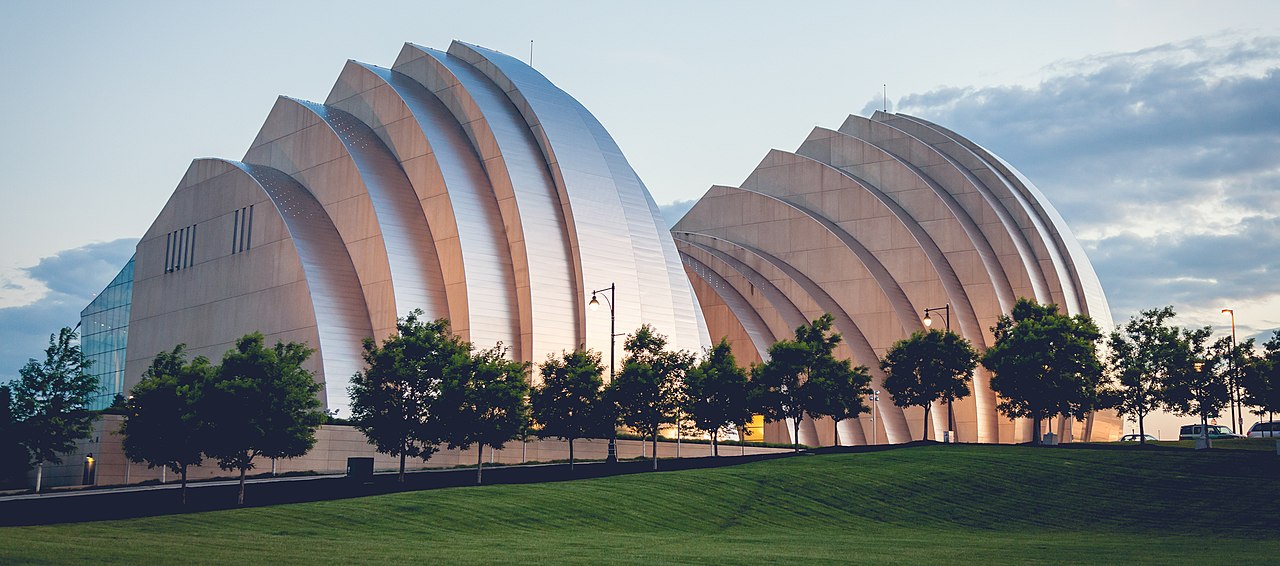


Geography and major communities
The metro area includes a central city core, several large suburban municipalities and many smaller towns and rural pockets. Alongside Kansas City, Missouri, the urban cluster contains major suburban centers such as Overland Park, Olathe, Independence and Lee's Summit. A ring of counties on both sides of the state line forms the commuting and economic footprint of the region.
Economy and infrastructure
The regional economy is diversified: health care, education, manufacturing, finance, information technology, and transportation and logistics all play substantial roles. Kansas City serves as a transportation hub because of its interstate highways, rail connections and the Kansas City International airport. The area's location near the geographic center of the country supports freight movement and distribution.
Cultural life and institutions
The Kansas City area is known for a distinctive civic culture. It has a longstanding music tradition (notably jazz), a celebrated barbecue heritage, and an abundance of public fountains and parks. Sports and performing arts are visible parts of civic life, with professional teams, museums and concert venues contributing to regional identity and tourism.
History and development
The metro's growth traces to 19th‑century river and rail commerce: its riverfront location and later railroad junctions encouraged stockyards, manufacturing and warehousing. Twentieth‑century highway construction and postwar suburbanization expanded the metropolitan footprint across the state line, producing the modern pattern of neighborhoods, business districts and edge cities.
Distinctive features and governance
Operating across two states gives the Kansas City metropolitan area several distinctive features: cross‑jurisdictional planning, multiple counties and municipal governments, and complex commuting flows. Regional agencies and cooperative frameworks address shared challenges such as transportation, land use and economic development. The area's continuing growth, cultural amenities and logistical advantages keep it a central node in the American Midwest.
- Core city: Kansas City, Missouri
- Counties and coordination: 15 counties
- States: Missouri, Kansas
- Estimated population: 2.34 million
- Regional context: compared with Greater St. Louis
Related articles
Author
AlegsaOnline.com Kansas City metropolitan area Leandro Alegsa
URL: https://en.alegsaonline.com/art/52154
Sources
- worldpopulationreview.com : "Kansas City Population 2015"
- kansascity.com : "Kansas City metropolitan area thumps St. Louis in new population growth"