
Kansas City, Missouri: overview, history, culture, and economy
Kansas City, Missouri is a major Midwestern city at the confluence of the Kansas and Missouri rivers, known for jazz, distinctive barbecue, professional sports, and a bi-state metropolitan economy.
Overview
Kansas City is the largest city in the U.S. state of Missouri and forms the core of a bi-state metropolitan area that extends into Kansas. The city lies near the meeting point of the Kansas River and the Missouri River, a geographic position that shaped its development as a transportation and trade center. The city proper has roughly in the hundreds of thousands of residents, while the broader metropolitan area serves about two million people. For official information about municipal services and leadership, consult the city's profile and government resources at city profile or the municipal administration page at city leadership.
Image gallery
10 Images


Geography and neighborhoods
The urban area combines riverfront districts, a downtown core, historic neighborhoods and extensive suburbs. Notable areas within the city include the downtown skyline and business district, the historic 18th and Vine neighborhood with deep cultural associations, the Country Club Plaza shopping and entertainment district, and the River Market near the Missouri River. The mix of streetcar-era blocks, mid-century development and newer infill projects gives the city a varied urban fabric. State and regional planning information is available through broader state resources.
History and development
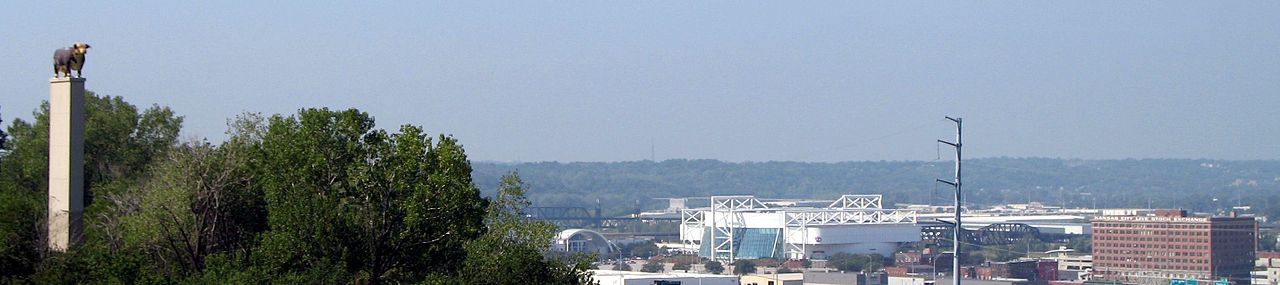
Kansas City's growth is tied to westward expansion, river and rail transportation, stockyards and meatpacking in the nineteenth and early twentieth centuries. These industries drew workers and businesses and established Kansas City as a regional distribution hub. During the twentieth century the city developed a significant entertainment and cultural scene, including important contributions to American jazz. In recent decades civic efforts have focused on downtown revitalization, cultural preservation and suburban coordination across county and state lines.
Culture, cuisine and sports
The city has a longstanding reputation for its barbecue tradition, a regional style marked by a variety of meats, sauces and slow-smoking techniques; many restaurants and competitions celebrate that culinary heritage at barbecue venues. Kansas City is also integral to the history of jazz and live music, with venues and festivals that highlight both historical figures and current performers. Professional sports are a prominent civic feature: Major League Baseball's Royals represent the city in baseball, while the National Football League's Chiefs are a major regional franchise in American football. The region also supports professional and collegiate soccer and other sports organizations.
Economy and transportation
Kansas City's economy combines manufacturing, healthcare, education, finance, technology and logistics. Its central location in North America and network of river, rail and highway connections make it an important freight and distribution hub. The metropolitan area hosts regional corporate headquarters, research institutions, hospitals and a wide range of small and medium enterprises. A commercial airport and interstates link the city to national markets, while local transit, riverfront projects and commuter rail plans continue to shape mobility and development.
Government and civic life
The city government oversees municipal services, public safety, planning and economic development; residents interact with city agencies for permitting, public works and community programs. Civic organizations and neighborhood associations play an active role in preserving local history, arts and public space, and regional authorities coordinate cross-jurisdictional issues across the two-state metro area.
Attractions and institutions
- Historic 18th and Vine district and jazz heritage venues.
- Cultural institutions such as art museums, performing arts centers and museums.
- Extensive parkland, riverfront trails and public green spaces.
- Shopping and dining districts, including long-standing barbecue restaurants and contemporary food scenes.
Visitors and residents can find sports schedules, cultural calendars and business directories through team pages for the Royals and the Chiefs, and through regional tourism and commerce guides that list events, restaurants and transportation options. General information about the state's role in regional affairs is available via state resources, while metro planning and demographic profiles may be consulted through metropolitan area publications and local directories. For more on local dining, entertainment and civic programs see neighborhood guides and directories at barbecue venues, baseball and broader visitor portals at American football and city profile.
Related articles
Author
AlegsaOnline.com Kansas City, Missouri: overview, history, culture, and economy Leandro Alegsa
URL: https://en.alegsaonline.com/art/52155
Sources
- zip4.usps.com : "Zip Code Lookup" · webcitation.org
- factfinder2.census.gov : "American FactFinder" · web.archive.org
- geonames.usgs.gov : "US Board on Geographic Names"