
Kapisa Province, Afghanistan
Kapisa is a small northeastern Afghan province with capital Mahmud-i-Raqi. Known for its valleys, irrigated orchards and proximity to Kabul, it has Dari and Pashto speakers and a largely agriculture-based economy.
Overview
Kapisa is one of the 34 provinces of Afghanistan. The provincial capital and administrative centre is Mahmud-i-Raqi. The population of Kapisa has been estimated at around 364,900 residents. It is one of the country's smaller provinces by area and lies within relatively easy travel distance of Kabul, a factor that affects its economy and connections to national markets.
Image gallery
10 Images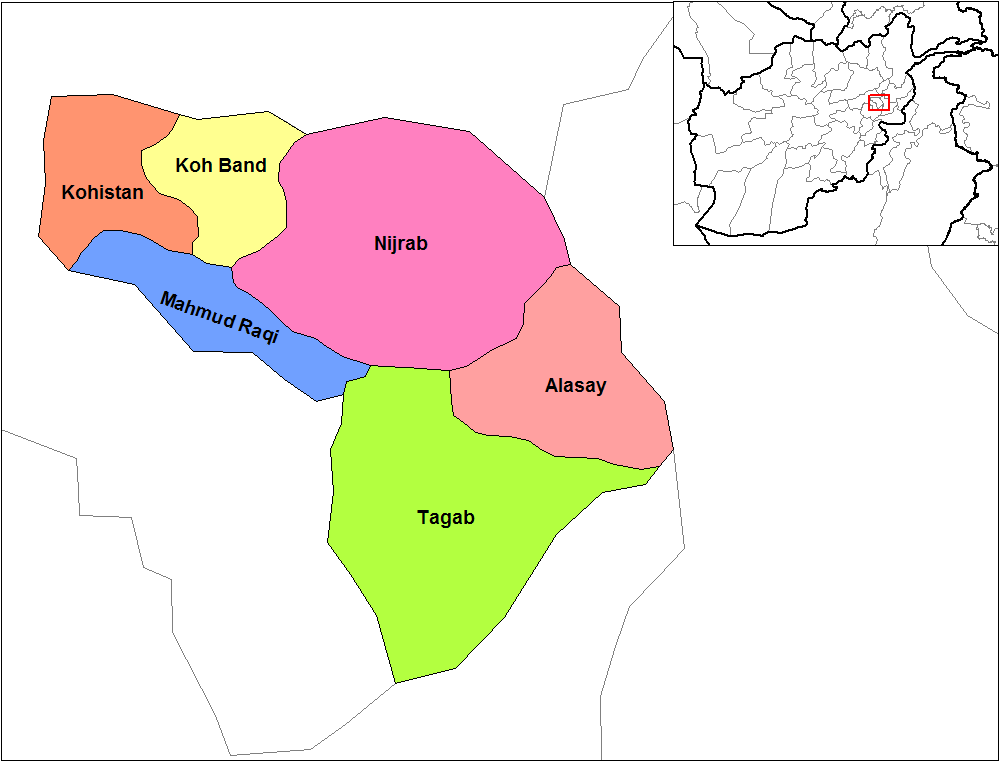



Geography and climate
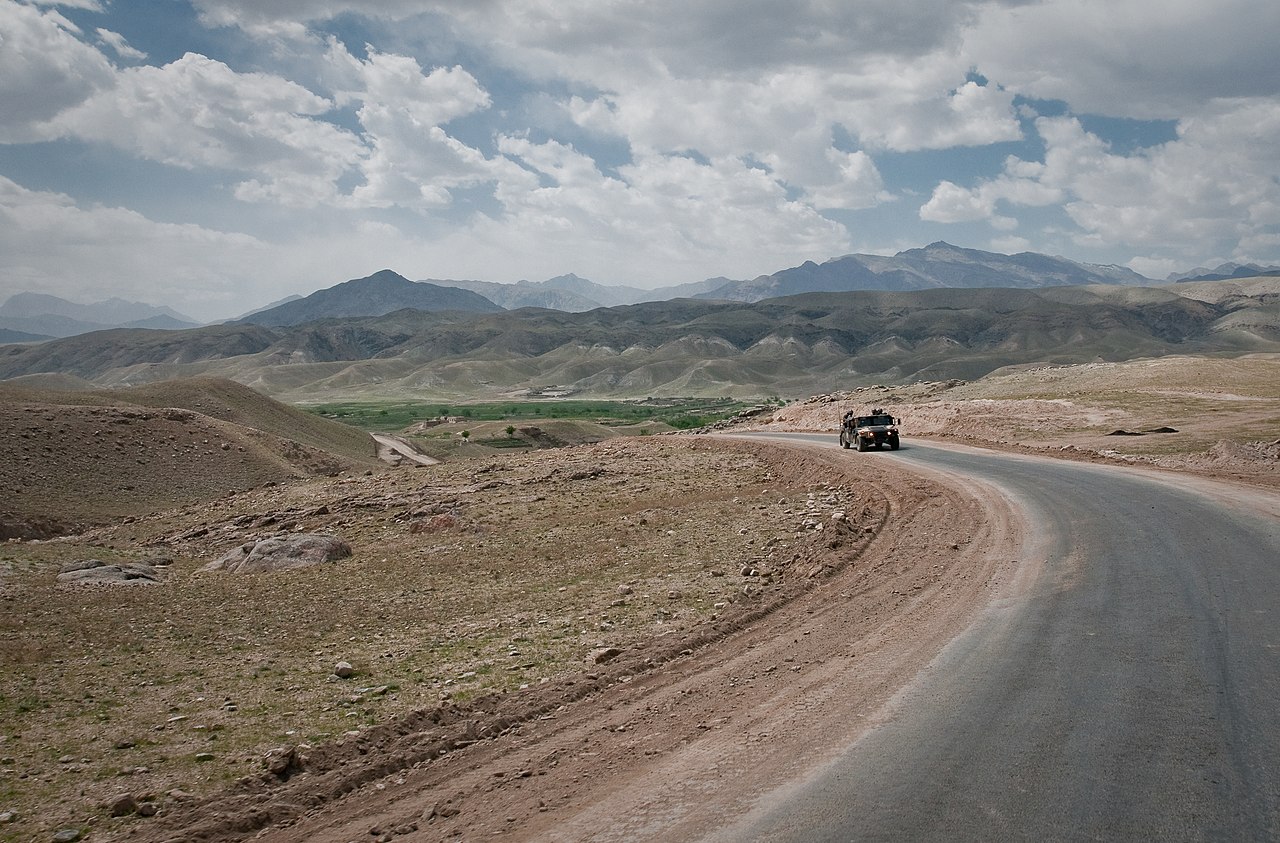
Kapisa comprises a mix of river valleys, terraced agricultural land and hilly terrain. Irrigated orchards and fields are common in the valleys, while higher ground supports pasture and scattered woodlands. The province's location near the capital makes it accessible by road from Kabul and links local producers to larger markets.
Population, languages and society
The population is diverse in rural and small-town communities. Both Dari (Persian) and Pashto are widely spoken and used in daily life and administration; see local language notes for Dari/Persian and Pashto. Social life centers on village agriculture, seasonal markets and family networks. Demographic patterns have been shaped over decades by migration, economic change and security conditions.
Economy
Agriculture is the mainstay of Kapisa's economy: farmers cultivate fruits, vegetables and cereals, and keep livestock. Small-scale trade and services in district centres and the provincial capital connect producers with consumers in nearby urban areas. Development initiatives, both local and international, have focused on irrigation, roads and basic services.
Administration, history and development
Kapisa is administered from Mahmud-i-Raqi and is subdivided into several districts, each with local governance structures. The province has a long human presence and appears in regional histories; in recent decades it has also been the focus of reconstruction and development programs addressing infrastructure, education and health.
Connectivity and notable features
Proximity to Kabul shapes commuting and trade patterns, while local roads and markets link villages to the provincial centre. Cultural life reflects traditional Afghan rural customs, seasonal agricultural rhythms and community festivals. For general context on the country and administrative arrangements, see Afghanistan and local information on Mahmud-i-Raqi.
Further resources: language background and cultural overviews are available under entries for Dari/Persian and Pashto, and broader provincial profiles may be found through government and international development publications.
Related articles
Author
AlegsaOnline.com Kapisa Province, Afghanistan Leandro Alegsa
URL: https://en.alegsaonline.com/art/52231
Sources
- nps.edu : "Afghanistan's Provinces - Kapisa"
- fao.org : Afghanistan Geographic & Thematic Layers