
Kantō region
Kantō is the eastern plain of Japan centred on Tokyo. It encompasses several prefectures, combines urban and rural areas, and is a national center for politics, economy, transport and culture.
Overview
The Kantō region (関東地方, Kantō-chihō) occupies the eastern part of Japan's main island and is commonly treated as one of the country's traditional eight regions. It forms the core of the Greater Tokyo area and is the nation's principal center for government, commerce and services. For context on Japan's regional framework see Japan's regions and how they function as descriptive units in geography and history at regional summaries.
Image gallery
8 Images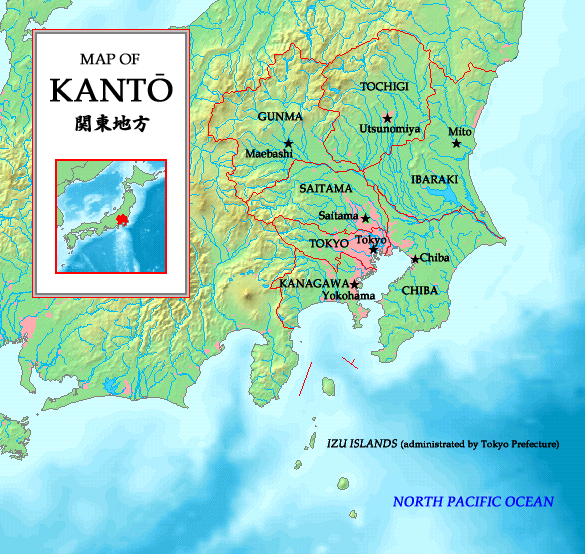




Geography and subdivisions
Kantō is characterised by the broad Kanto Plain, the largest flatland in Japan, coastal lowlands facing the Pacific and rising foothills toward the inland mountains. The region is usually defined to include seven prefectures:
- Tokyo (metropolitan prefecture)
- Kanagawa
- Saitama
- Chiba
- Ibaraki
- Tochigi
- Gunma
Major natural features include river systems such as the Tone River and a shoreline with important ports and coastal plains. The geography creates a contrast between dense urban zones in the south and more agricultural or industrial districts to the north and east.
History and development
Kantō's modern prominence dates from the Edo period when Edo (present-day Tokyo) became the seat of the Tokugawa shogunate. During the Meiji era and later administrative reforms, the region's identity continued to solidify. The eight-region framework used for cultural and statistical purposes has been in use since the early 20th century and helps explain Kantō's role in national planning and historical narratives; for administrative and cultural context see regional significance.
Economy, transport and urban life
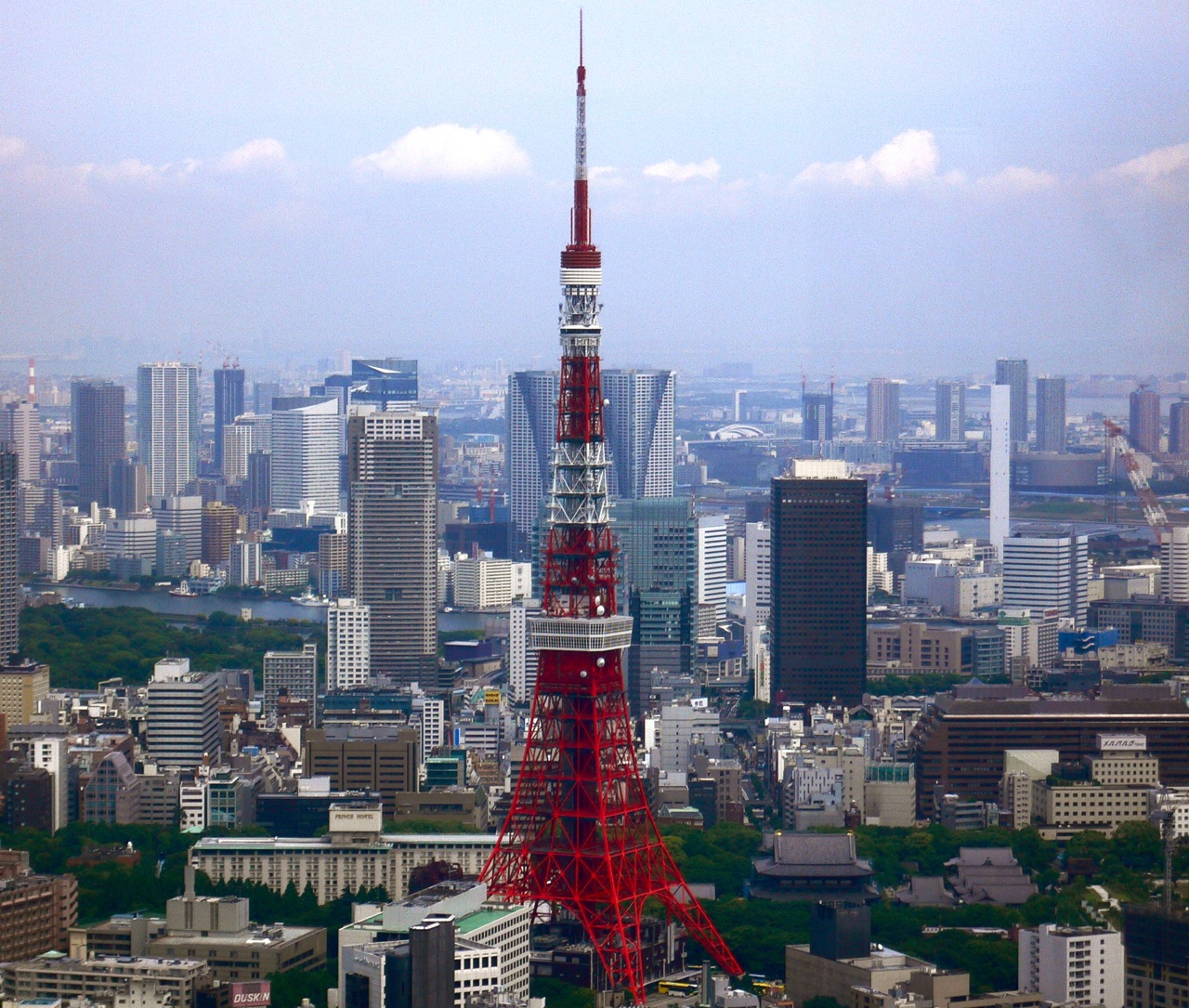
The Kantō region hosts Japan's largest concentration of economic activity. Tokyo is the national political and financial center, while surrounding prefectures accommodate major ports, manufacturing zones and research hubs. Transport infrastructure is extensive: intercity rail, commuter networks, expressways and two principal international airports serving the area. The region's connectivity underpins commuting patterns, logistics and tourism.
Culture and notable features
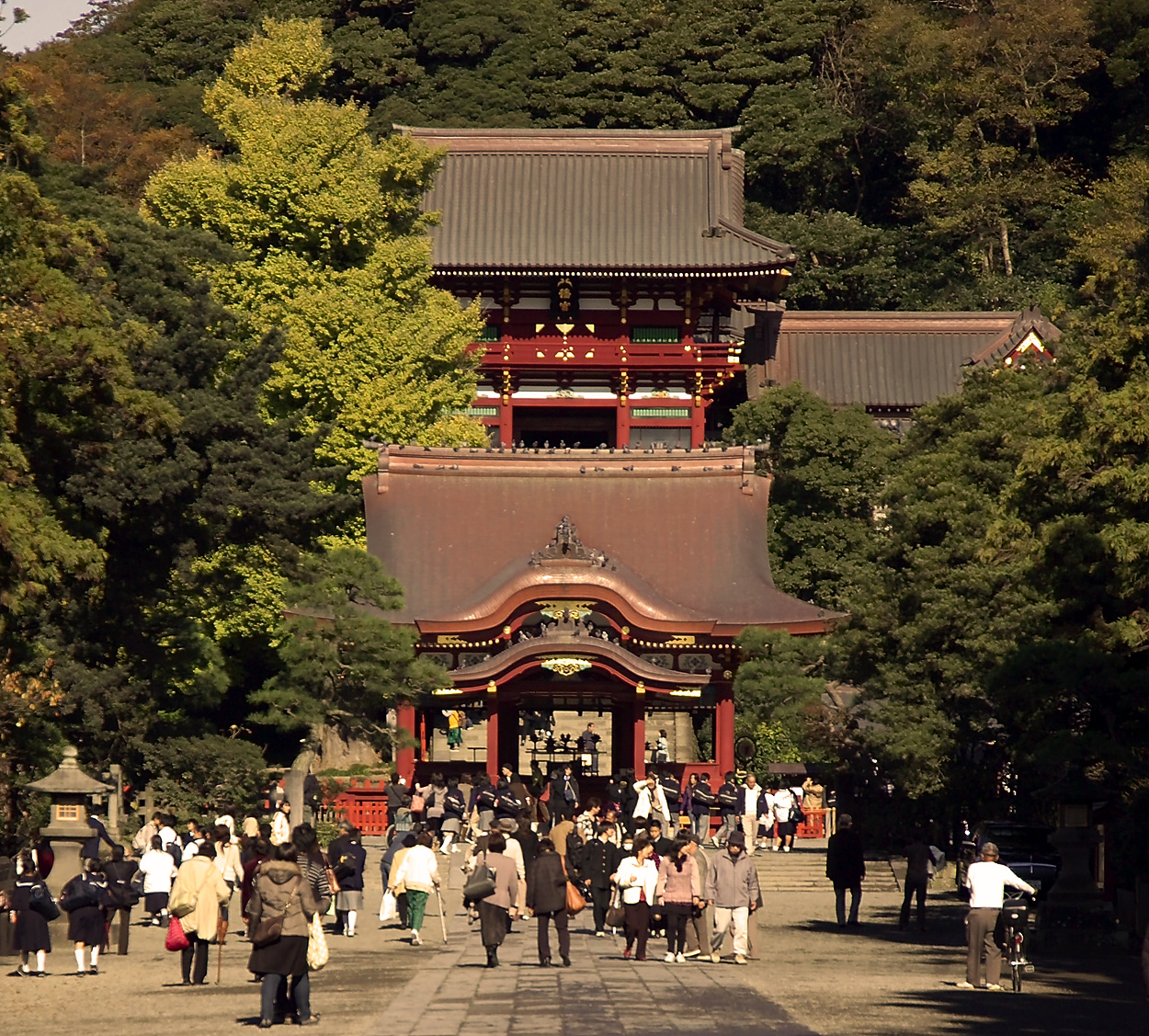
Culturally, Kantō blends metropolitan trends with local traditions. It is a focal point for media, higher education, cuisine and seasonal festivals. Urban districts are known for diverse neighbourhoods, arts and contemporary subcultures, while nearby rural areas preserve agricultural practices and regional festivals. The region's geographic and cultural importance is often discussed in national comparisons of place and identity; see general geographic commentary at geographic overviews.
Distinctions and practical notes
Although widely used in maps, reports and everyday language, the term "region" in Japan does not denote a single administrative government; it is a conventional grouping useful for planning, statistics and cultural description. Kantō's mix of dense urbanity and productive hinterland makes it central to understanding modern Japan's economy, transport systems and cultural life.
Further reading on Japan · Regional divisions · Geographic context · Administrative and cultural roles
Related articles
Author
AlegsaOnline.com Kantō region Leandro Alegsa
URL: https://en.alegsaonline.com/art/52204
Sources
- books.google.com : "Geography"
- books.google.com : "Kantō"
- lcweb2.loc.gov : Library of Congress Country Studies, Japan
- lcweb2.loc.gov : "Geographic Regions"
- books.google.com : A traveller's history of Japan, p. 264
- docs.google.com : "Regions of Japan"
- books.google.com : Kingdom of Beauty: Mingei and the Politics of Folk Art in Imperial Japan, pp. 218-219
- books.google.com : Planning For Cities And Regions In Japan, p. 193
- books.google.com : "Fig. 2-7. "Regional Vitalization and Construction Administration,"
- books.google.com : "Goki-shichidō"
- lcweb2.loc.gov : "Kanto"
- books.google.com : Local Government in Japan, p. 62
- web-japan.org : "Regions of Japan"
- books.google.com : "Taishō Tennō"
- select.nytimes.com : "Yokohama is Practically Destroyed,"