
Kanzelwand — mountain on the Austria–Germany border
Kanzelwand (2,058 m) is a peak on the Vorarlberg–Bavaria border. Known for the Fellhorn/Kanzelwand ski area, lift access to the summit, hiking routes and panoramic Alpine scenery for summer and winter visitors.
Overview
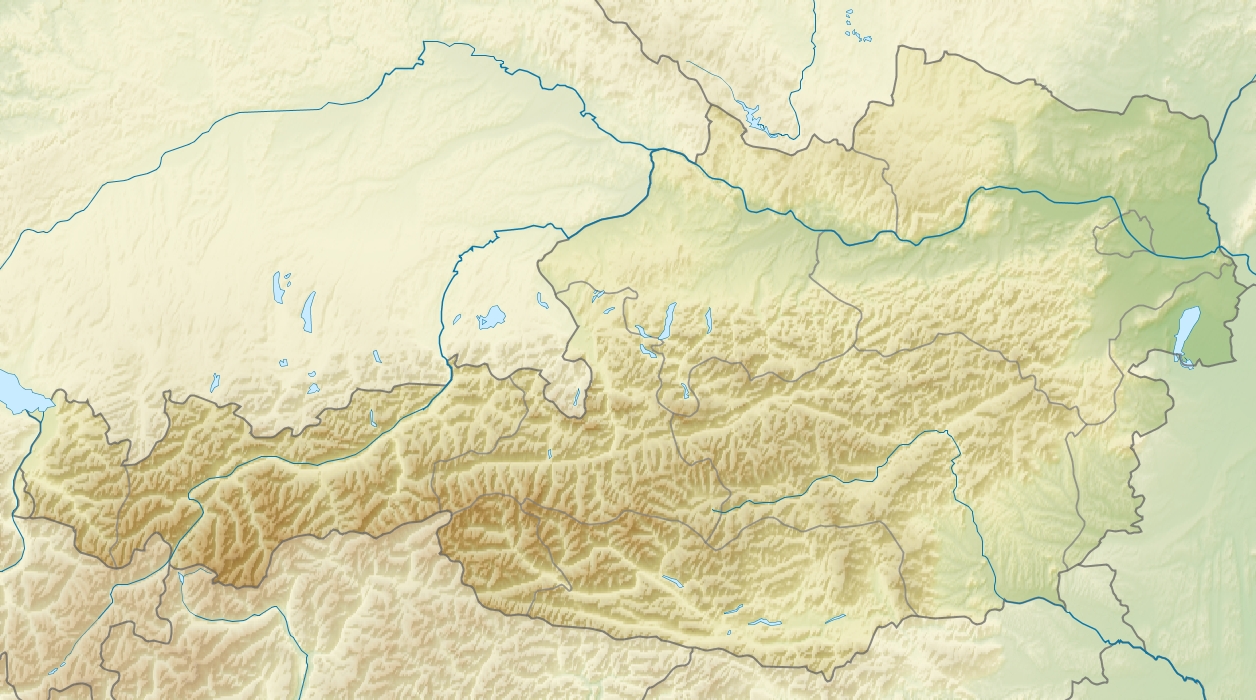
Kanzelwand is a mountain rising to about 2,058 metres above sea level on the international boundary between the Austrian state of Vorarlberg and the German region of Bavaria. The summit area lies within the northern chain of the Alps and can be reached by a combination of lifts, marked trails and short scrambles. The ridge connects to neighbouring high ground, including the adjacent Fellhorn massif (Fellhorn), forming a popular cross‑border mountain landscape.
Image gallery
3 Images

Geography and geology
The mountain presents a typical mid‑Alpine profile with grassy lower slopes, alpine meadows and rockier summits exposed to wind and snow. Geologically, the region is part of the Northern Limestone Alps which produce steep faces and narrow ridges in many local summits. Kanzelwand sits above several valleys that channel weather systems and provide routes for upland pastures and mountain paths.
Climate and ecology
Conditions at Kanzelwand vary seasonally: long periods of snow cover are common in winter while summers are cool with a short growing season for high‑elevation plants. The slopes host alpine flora and fauna adapted to thin soils and exposure. Lower meadows have traditionally been used for seasonal grazing and still show patterns of agricultural use interwoven with recreational management.
Access, routes and recreation
Visitors commonly use mechanical lift systems to shorten the approach. The well‑known Kanzelwand lift provides rapid access toward the summit area, reducing vertical ascent for walkers and skiers. Numerous marked footpaths and mountain trails allow ascent by hiking in summer and by ski tour or snowshoe in winter; local route information is maintained by regional guides and alpine clubs (hiking). For detailed summit access and current conditions consult local operators or tourist offices (summit information).
Ski area and facilities
The Fellhorn/Kanzelwand ski area is a binational winter sports destination offering prepared pistes and a lift network. Published descriptions cite about 24 kilometres of groomed runs served by roughly a dozen lifts, linking slopes on both sides of the border and providing facilities for downhill skiing, snowboarding and winter walking. Seasonal services, including winter avalanche control and summer lift operation, support year‑round mountain access.
Tourism, local economy and management
Tourism centered on skiing and alpine recreation is important to the surrounding communities. Operators and local authorities manage infrastructure, trail maintenance and safety measures to balance visitor use with environmental protection. Cross‑border cooperation is a feature of management here, reflecting the mountain's shared position between Austria and Germany (Austria, Germany).
Safety, conservation and visitor advice
As with all alpine areas, weather can change rapidly and sections of trail may be exposed. Visitors should plan routes, check lift and weather information, use appropriate footwear and equipment, and follow local safety recommendations. Conservation measures aim to limit erosion, protect fragile plant communities and preserve wildlife habitats while maintaining access for recreation.
Further information
For practical details on routes, lift times and local regulations consult official tourism pages and regional authorities. Useful starting points include general information on Kanzelwand, cross‑border references on the border, regional resources on Vorarlberg and the Bavarian side, national visitor guides for Austria and Germany, plus specific notes on summit access, the Kanzelwand lift, marked hiking routes and the neighbouring Fellhorn.
- Location: 2,058 m peak on the Vorarlberg–Bavaria border.
- Main uses: skiing, hiking, summer pasture and panoramic tourism.
- Facilities: interconnected lifts and prepared pistes forming the Fellhorn/Kanzelwand ski area.
Always verify current conditions with local operators before travel and respect seasonal access rules in alpine terrain.
Questions and answers
Q: How high is Kanzelwand mountain?
A: Kanzelwand mountain is 2,058 meters (6,752 ft) high.
Q: Where is Kanzelwand mountain located?
A: Kanzelwand mountain is located on the border between Vorarlberg, Austria and Bavaria, Germany.
Q: How can Kanzelwand mountain be accessed?
A: Kanzelwand mountain can be accessed by the Kanzelwand lift, or by hiking.
Q: What is the Fellhorn/Kanzelwand ski area?
A: The Fellhorn/Kanzelwand ski area is located on Kanzelwand mountain and has 24 kilometers (15 mi) of pistes and 13 lifts.
Q: Is Kanzelwand mountain only for skiing?
A: No, Kanzelwand mountain can also be accessed by hiking.
Q: How many lifts does the Fellhorn/Kanzelwand ski area have?
A: The Fellhorn/Kanzelwand ski area has 13 lifts.
Q: What is the distance of pistes at the Fellhorn/Kanzelwand ski area?
A: The Fellhorn/Kanzelwand ski area has 24 kilometers (15 mi) of pistes.
Related articles
Author
AlegsaOnline.com Kanzelwand — mountain on the Austria–Germany border Leandro Alegsa
URL: https://en.alegsaonline.com/art/52212
Sources
- skiresort.info : "Ski resort Fellhorn/Kanzelwand - Oberstdorft/Riezlern"
- onthesnow.com : "Fellhorn - Kanzelwand Skiing"