
Karaite Judaism: beliefs, history, and communities
Karaite Judaism is a Jewish movement that recognizes only the Hebrew Bible as authoritative, rejects the rabbinic Oral Torah, and emphasizes individual interpretation and scriptural study.
Overview
Karaite Judaism is a stream within Judaism that accepts the Hebrew Bible alone as the ultimate religious authority and does not accept the rabbinic Oral Torah (the Mishnah and Talmud) as binding. Karaite adherents maintain that each person has the responsibility to study and interpret Scripture directly, rather than inheriting legal rulings through a chain of rabbinic tradition. This approach has produced distinct religious practices, liturgies, and legal conclusions from those of rabbinic Judaism. For more general context see Karaite Judaism.
Image gallery
9 Images


Core beliefs and practices
Karaites center their religious life on the Hebrew Bible (Tanakh) and its plain-sense reading. They typically critique the authority of post-biblical rabbinic writings, arguing these are human interpretations that cannot override the written text. Important practical consequences include different calendars and festival observances, alternative rules for ritual purity and dietary law, and different prayer customs. Key scriptural topics and resources are often discussed with reference to the Hebrew Bible itself.
Distinctive ritual features
- Calendar: Some Karaites calculate months and festivals by visible new moon and agricultural markers rather than solely by rabbinic fixed rules.
- Sabbath and festivals: Observance may differ in permissible activities and the definition of work.
- Law and practice: Practices such as wearing phylacteries or certain detailed halakhic rulings stemming from the Talmud are generally not followed by Karaites.
History and development
The movement emerged in the early medieval period within the broad Jewish world under Islamic and Byzantine rule. Its origins and early leaders are debated by historians; some medieval figures are associated with early Karaite communities while scholarship stresses gradual development rather than a single founding moment. Over centuries Karaites maintained communities in the Middle East, Anatolia, Crimea and North Africa, producing their own exegetical literature and legal decisions distinct from rabbinic codes. Many historical interactions between Karaites and rabbinic Jews were marked by theological debate and social separation.
Modern communities and significance
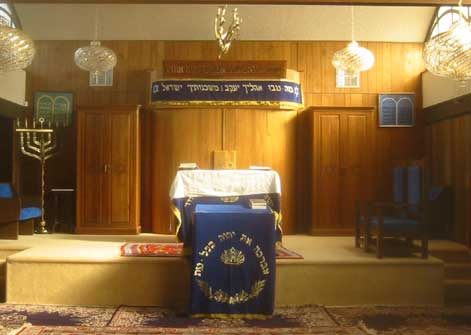
Today Karaite communities exist in Israel and in several diaspora locations, including a small community in San Francisco and groups elsewhere. Contemporary Karaites are diverse: some retain traditional customs closely tied to their historical communities, while others blend modern scholarship and communal renewal. Their presence highlights the internal diversity of Jewish religious expression and raises questions about authority, interpretation, and communal identity in modern faith life. For information on texts and comparative studies see Mishnah and Talmud, rabbinic explanations, and resources on medieval Jewish history at early medieval sources.
Distinctions, scholarship, and further reading
Key differences between Karaite and rabbinic Judaism concern the status of oral tradition and the method for deriving law from Scripture. Scholars examine Karaite exegesis, communal records, and liturgical poetry to understand how this movement articulated identity and practice. For introductions and community directories, see Torah interpretation resources and regional community pages such as San Francisco Karaites.
Because Karaism is defined by its scripturalist stance, it remains a significant case study for debates about textual authority, individual reading, and the limits of tradition in religious communities.
Related articles
Author
AlegsaOnline.com Karaite Judaism: beliefs, history, and communities Leandro Alegsa
URL: https://en.alegsaonline.com/art/52269