
Shurat Islam (Kharijites): origins, beliefs, and legacy
Shurat Islam (commonly called Kharijites) were an early Muslim movement that broke from the main community over leadership and arbitration. This article explains their origins, doctrines, history, and modern legacy.
Shurat Islam, more widely known in scholarship and historical sources as the Kharijites (Arabic: al-Khawarij), refers to a set of early Muslim groups that separated from the main community during the first century of Islam. The name Shurat Islam is sometimes used in modern accounts to describe that early current; historical accounts emphasize their emergence in the aftermath of the civil conflict over succession. Contemporary descriptions of their ideas highlight strict moral expectations for rulers and a readiness to declare sinful leaders as illegitimate.
Image gallery
2 Images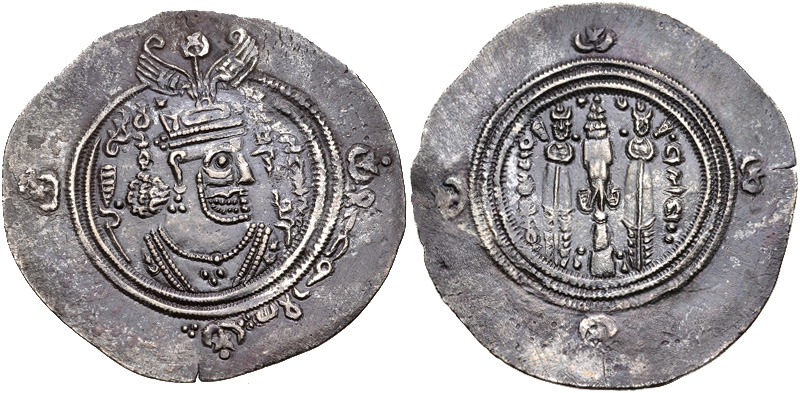

Origins and historical context
The movement arose during the turmoil following the assassination of the third caliph and the struggle for authority between Caliph Ali and Muawiya. Disagreement over military leadership and the decision by both sides to submit to arbitration at the Battle of Siffin prompted a group of Ali’s supporters to break away. These dissenters held that arbitration put human judgment above God’s command and therefore refused to accept either claimant. Over time the dissenting groups organized into factions sometimes labeled collectively as Kharijites. A number of violent confrontations followed, and a Kharijite assassin later killed Ali.
Core beliefs and practices
There was not a single uniform doctrine covering all Kharijite groups, but several characteristic positions recur in primary and secondary accounts:
- Strict criteria for leadership: Political and religious leadership should rest with the most pious, not with a particular family or tribe.
- Excommunication (takfir): Individuals judged to commit grave sins could be declared unbelievers and thereby excluded from the community.
- Readiness to rebel: Armed opposition against rulers who failed moral tests was seen by some as legitimate.
- Pietistic ethics: Emphasis on personal piety, asceticism, and strict enforcement of moral norms.
Development and later currents
After its initial phase, the movement fragmented. Some Kharijite groups remained small and militant, carrying out raids and establishing short-lived polities in parts of the Arabian Peninsula and North Africa. Other strands developed softer positions, and one offshoot evolved into what is today called Ibadi Islam. Ibadism preserves certain ideas associated with the early dissenters—such as the emphasis on piety and communal autonomy—but Ibadis reject the label “Kharijite” and consider themselves a distinct, moderate school with recognized communities in Oman, parts of North Africa, and elsewhere.
Legacy and modern usage
Historically the Kharijites were significant because they raised enduring questions about authority, legitimacy, and the role of conscience in politics. In modern discourse the term "Kharijite" or "neo-Kharijite" is occasionally applied by scholars or commentators to extremist groups that adopt rigid takfirist rhetoric and justify violence against other Muslims. Such comparisons — for example linking early Kharijite patterns with movements like the Groupe Islamique Armé in Algeria or militant cells sometimes called Takfir wal‑Hijra — aim to describe similarities in language or practice but are also debated and sometimes contested by specialists and communities who study these movements and by those criticized as such in contemporary settings.
For general background on Islamic sectarian history and how scholars treat early schisms, see broader surveys of Islamic history that cover the first centuries of the community. Understanding Shurat Islam requires attention both to the concrete political events that produced the split and to the theological questions about sin, authority, and community that the movement raised. Their legacy survives in debates about legitimacy, the roots of pluralism in Islam, and the varied ways later groups interpreted early controversies.
Related articles
Author
AlegsaOnline.com Shurat Islam (Kharijites): origins, beliefs, and legacy Leandro Alegsa
URL: https://en.alegsaonline.com/art/53202