
Kashima-jingū
Kashima-jingū is an ancient Shinto shrine in Kashima, Ibaraki. Dedicated to the deity of thunder and martial power, it is a regional religious center with long ties to Japan's samurai and martial traditions.
Kashima-jingū (鹿島神宮) is a major Shinto sanctuary on the eastern side of Honshu, located in the city of Kashima in Ibaraki Prefecture. Traditionally associated with the kami Takemikazuchi — a deity linked to thunder, storms and martial authority — the shrine serves both local worshipers and visitors seeking cultural and historical insight.
Image gallery
10 Images

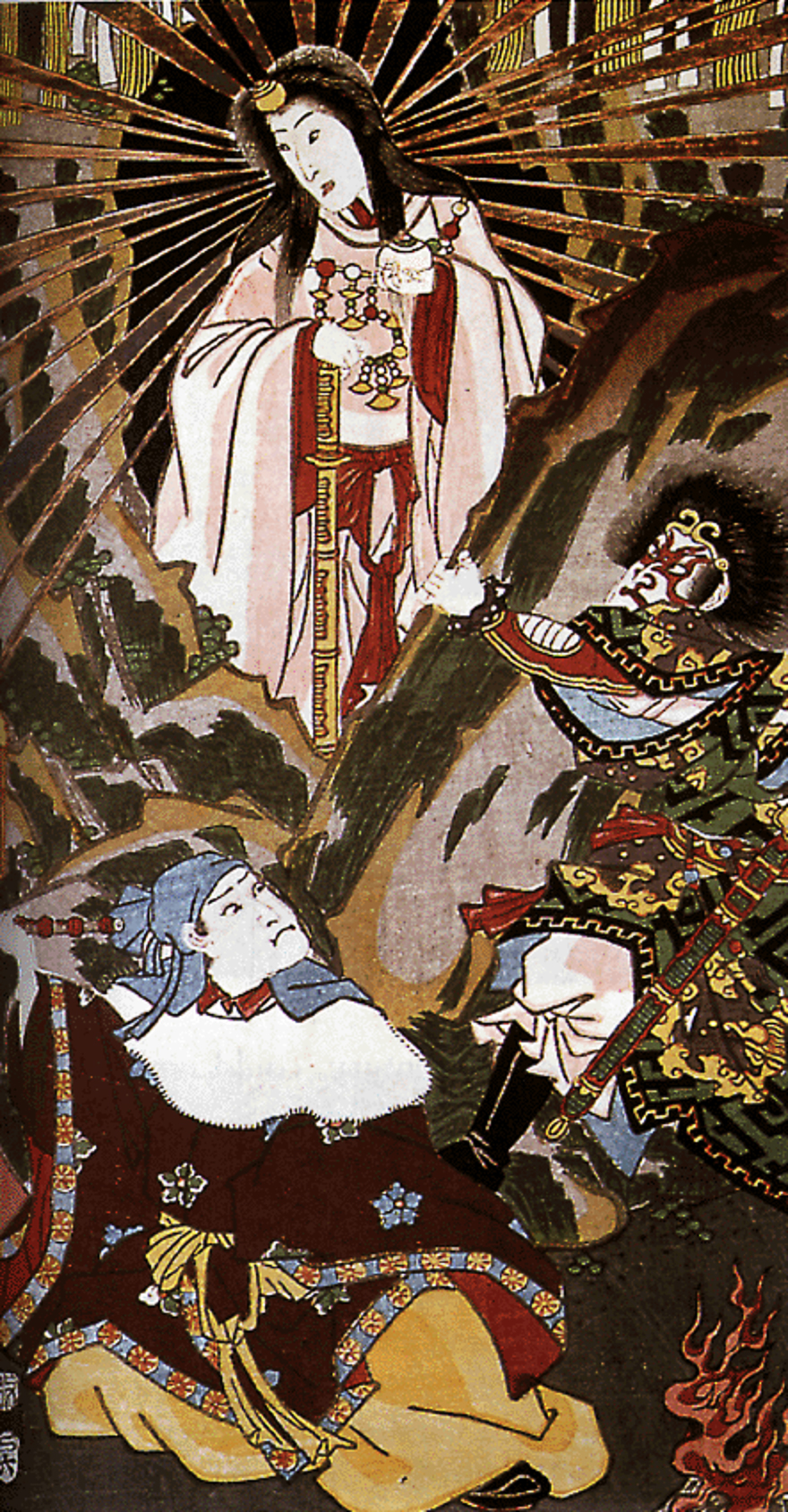


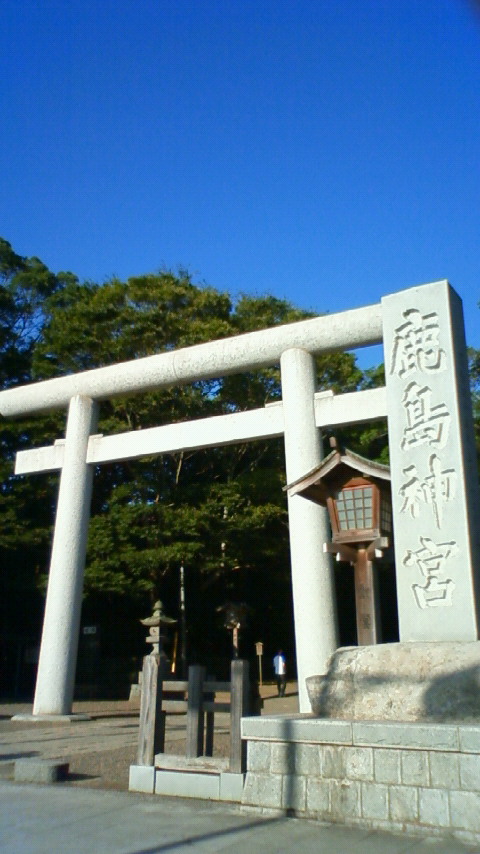
Layout and principal features
The site follows conventional Shinto arrangements: a marked approach (sando) and a large torii gate lead toward the haiden (worship hall) and the honden (main sanctuary). Grounds typically include stone lanterns, guardian statues, smaller subsidiary shrines, and areas of preserved sacred woodland that emphasize continuity with nature and ritual purity.
- Torii and sando forming the ceremonial approach
- Haiden for public worship and ceremonies
- Honden housing the enshrined kami
- Auxiliary chapels and ritual spaces
Architectural styles and materials reflect periods of repair and rebuilding; like many long-established shrines, Kashima-jingū preserves a layered record of Japan's religious architecture rather than a single original structure.
History and cultural role
The shrine's origins are ancient and woven into early Japanese chronicles that record the role of Takemikazuchi in mythic narratives. Throughout history Kashima-jingū developed a reputation as a guardian site for the eastern provinces and became closely associated with martial practitioners. Classical and medieval warriors sought its protection and ritual sanction, and it is linked with traditional martial schools such as Kashima Shinryu, which trace spiritual or technical origins to shrine rites and training grounds.
Today the shrine remains active in Shinto practice (Shinto) and regional culture. Annual festivals, seasonal ceremonies and rites for safety or harvest continue to draw participants. The shrine is also significant for scholars and visitors interested in Japan's religious history, martial traditions, and landscape conservation.
As a living institution, Kashima-jingū combines devotional function, cultural preservation and tourism. Its role as a religious center, its architectural features and its historic links to martial practice make it a notable example of how Shinto shrines act as focal points for local identity and national heritage.
Related articles
Author
AlegsaOnline.com Kashima-jingū Leandro Alegsa
URL: https://en.alegsaonline.com/art/52431
Sources
- kotodamaya.com : "Kashima Jinja"
- city.kashima.ibaraki.jp : "Kashima Jinju Shrine"
- eos.kokugakuin.ac.jp : "Nationwide List of Ichinomiya," p. 1