
Arachne: the weaver punished and transformed in Greek myth
Arachne, a skillful mortal weaver from Colophon, challenged the goddess Athena and—after a contest that exposed gods’ faults—was transformed into a spider; the tale explores hubris, art, and metamorphosis.
Overview
Arachne is a well-known figure of Greek mythology, remembered as a mortal woman whose exceptional weaving provoked a direct confrontation with the goddess Athena. Tradition places her as the daughter of Idmon of Colophon in Greece, a region where textile work and dyeing were important household trades. Her father is sometimes described as a dyer, and Arachne herself learned the craft of loom-weaving from an early age, attaining a reputation for flawless technique and realist depiction.
Image gallery
10 Images







The mythic contest and transformation
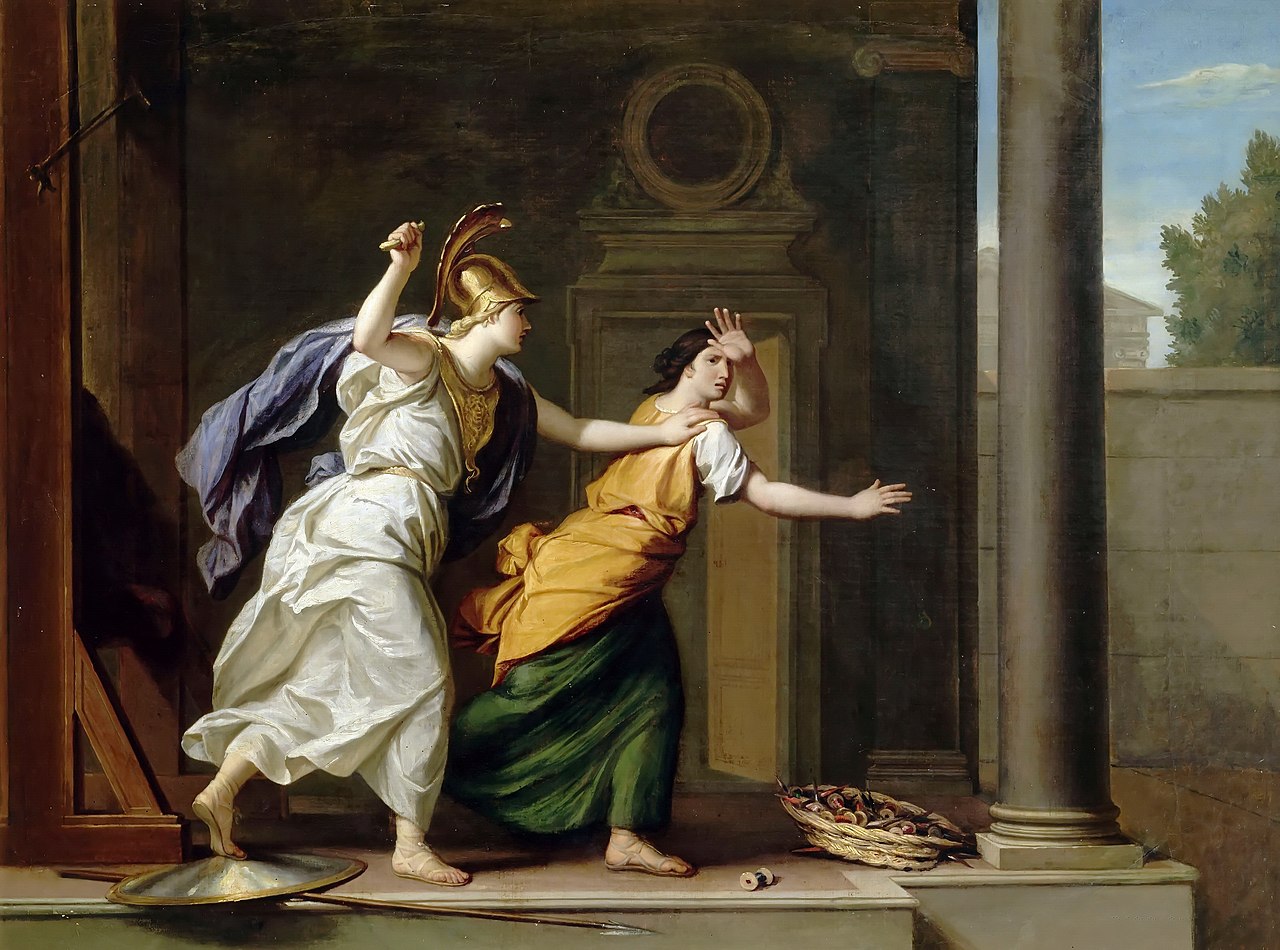
Accounts vary in detail but agree on a basic sequence: Arachne boasted that her skill surpassed that of the gods. In some versions Athena first appeared as an old woman to warn her; in others the goddess reveals herself immediately and proposes a contest. Both weavers produced tapestries of remarkable skill. Arachne's work—famous in the storytelling tradition for its crispness and daring subject matter—depicted the amorous and often deceitful behavior of the chief god, Zeus, including episodes with Leda, Europa and Poseidon in some retellings. Athena's piece emphasized the gods' authority and her own civilizing arts.
- Athena's tapestry: themes of divine power, order, and the gods' victories.
- Arachne's tapestry: scenes exposing gods' misbehavior, mortal suffering, and social critique.
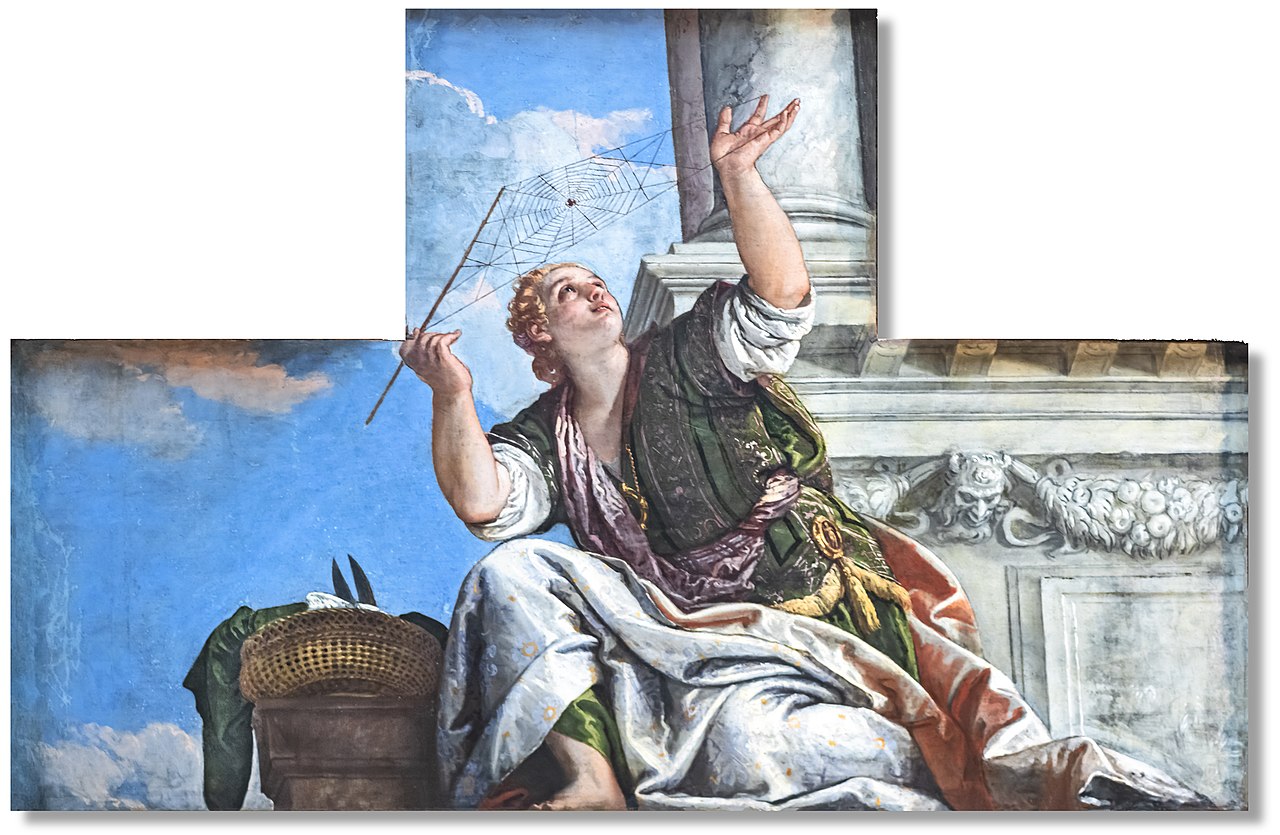
When Athena discovered that Arachne's work was flawless but insulting, ancient narrators say the goddess destroyed the loom or the cloth, sometimes struck Arachne, and punished her for hubris—the arrogance of mortals who presume to equal the gods. In most traditions Arachne tried to hang herself in despair; Athena then either transformed the woman into an eight-legged creature or wove a web and changed the rope into silk, turning Arachne into a spider so she and her descendants would forever weave.
Sources and variations
The Roman poet Ovid records a version in his Metamorphoses (Book 6), and later classical authors and medieval commentators retold and reshaped the tale. Variations emphasize different morals: some focus on the sanctity of divine honor, others on the injustice of persecuting talented outsiders. The basic elements—contest, insult, punishment, and metamorphosis—remain stable across many sources.
Themes, language, and legacy
The story is often read as a parable about pride and the consequences of challenging cosmic order (the Greek concept of hubris). Linguistically, the Greek word for spider is arachne, and from that word come modern scientific and psychological terms: Arachnida, the biological class that includes spiders and related animals (biology), and arachnophobia, the fear of spiders (arachnophobia). The name also appears in art, literature and natural history, serving as a versatile symbol of craft, cunning, and the boundary between human skill and divine power.
Influence and notable facts
Arachne's image has inspired painters, poets and modern storytellers who use her as a motif for debates about artistic freedom, satire, and punishment. The tale connects technical detail—spinning, dyeing and textile work (her father's trade is sometimes described as dyeing)—to broader cultural questions about status and blame. The association with the sea and gods like Poseidon appears in versions that situate the episodes Arachne wove within a wider mythic geography, while references to specific individuals such as the spider remain symbolic reminders of her metamorphosis.
For further reading on classical retellings and artistic adaptations consult linked scholarly and popular resources: myth overviews, regional histories of Colophon, studies of Greek cultural life, and surveys of textile crafts and dyeing practices.
Related articles
Author
AlegsaOnline.com Arachne: the weaver punished and transformed in Greek myth Leandro Alegsa
URL: https://en.alegsaonline.com/art/5144