
April 2015 Nepal earthquake (Gorkha earthquake)
A major 7.8 Mw earthquake on 25 April 2015 centered in central Nepal that caused widespread destruction, thousands of deaths and injuries, avalanches on Everest, and major damage in Kathmandu Valley.
Overview
The April 25, 2015 event, commonly called the Gorkha or Nepal earthquake, was a powerful shallow earthquake that struck central Nepal in the late morning local time. Seismological agencies reported a moment magnitude of 7.8 Mw and an estimated hypocenter at a depth of roughly 15 km. The quake's timing and location produced intense ground shaking across a wide area; its epicenter lay in the foothills near the border of the Gorkha and Lamjung districts. This was the deadliest natural disaster to affect Nepal since the 1934 Nepal–Bihar earthquake, and it triggered multiple secondary hazards.
Image gallery
10 Images



Immediate impact and human toll
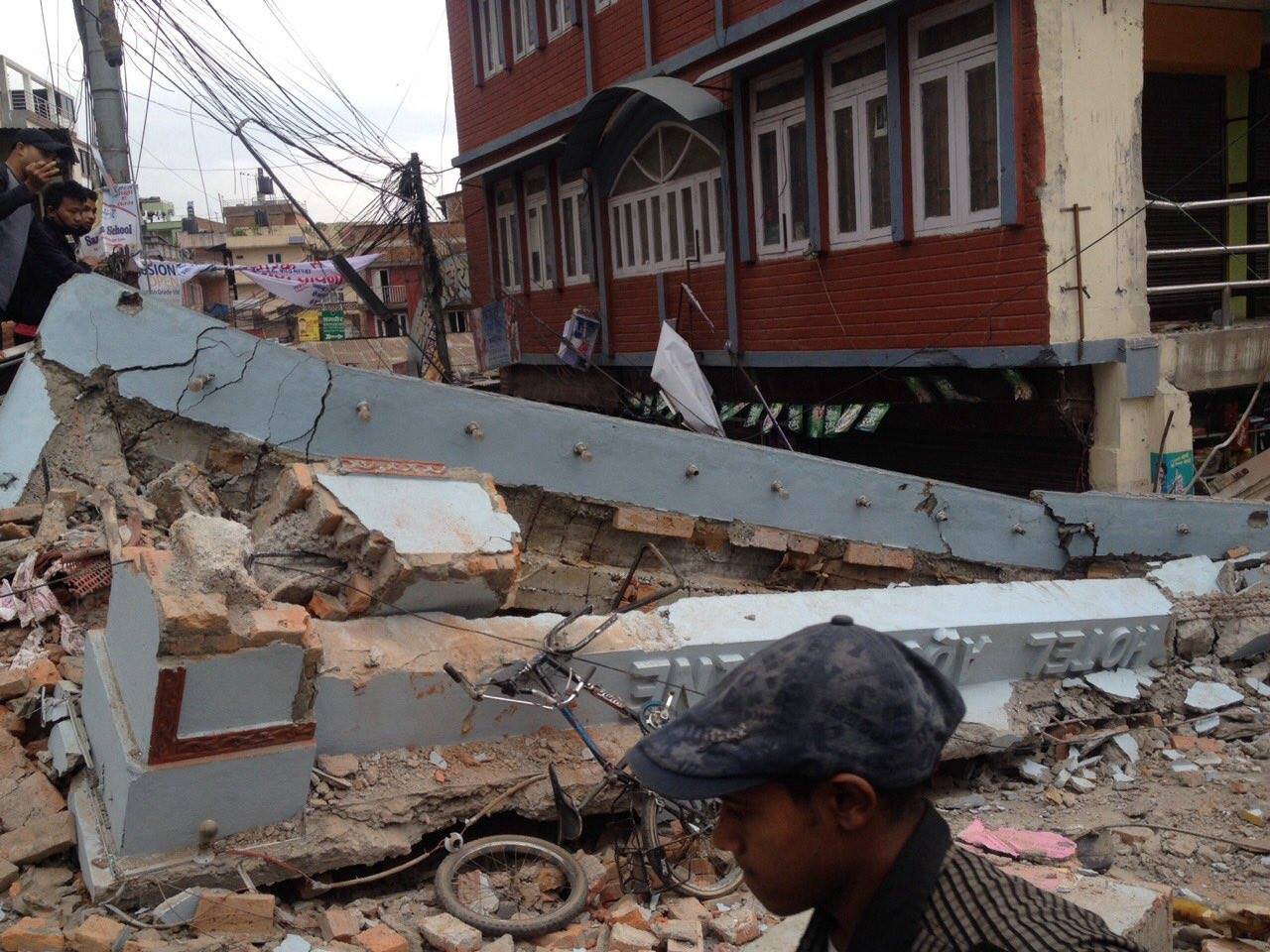
The earthquake caused extensive loss of life and injury. Official and consolidated reports indicated more than 8,800 deaths and over 23,000 injured, with numbers varying as assessments continued. Whole villages and tens of thousands of homes were damaged or destroyed, leaving hundreds of thousands of people homeless or displaced. Historic and cultural structures in the Kathmandu Valley—including temples, palaces and monuments at UNESCO World Heritage Sites—suffered severe damage, altering the urban fabric and prompting concerns for cultural preservation.
Secondary hazards: avalanches, landslides and aftershocks
The quake set off a range of secondary events. A large avalanche on Mount Everest, triggered by the ground shaking, killed at least 19 people and made 25 April 2015 the deadliest day on the mountain in recorded history. Other avalanches and rockfalls occurred in high mountain valleys, including a catastrophic event in the Langtang valley that left many missing or buried. In the hours and days after the mainshock a series of aftershocks, some strong, continued; one notable event on 26 April registered about 6.7 magnitude. The mountain and hill terrain also experienced widespread landslides, complicating rescue and relief.
Damage patterns and affected areas
Damage was concentrated in rural districts close to the epicenter as well as the densely populated capital region. Historic masonry buildings showed particular vulnerability: many centuries-old structures collapsed or were rendered unsafe. Urban and rural infrastructure—roads, bridges, hospitals and schools—sustained varying levels of damage, which hindered access for emergency teams. Observers noted that construction practices, building age and local geology influenced the severity of collapse in different places.
Response, recovery and international assistance
Rescue operations combined national forces, local volunteers and international teams. Emergency relief focused on search and rescue, medical care, shelter, and restoring basic services. Governments and aid organizations provided supplies and personnel, while logistics were often challenged by damaged transport links and high mountain terrain. Recovery evolved into a long-term effort involving reconstruction, retrofitting critical buildings and addressing the needs of displaced populations; planning and funding choices became central to the rebuilding process.
Lessons, legacy and notable facts
Experts had long warned that Nepal’s tectonic setting made it susceptible to a large earthquake, and this event underscored several enduring lessons: the importance of earthquake-resistant construction, heritage conservation under seismic risk, and improved early warning and preparedness. The disaster stimulated policy debates about land use, building codes and disaster risk reduction. For further context, readers can consult seismological summaries, humanitarian reports and heritage assessments through agencies and organizations that compiled detailed accounts of the event and its aftermath: seismology centers, humanitarian organizations, cultural heritage groups, and government reconstruction portals. Additional resources and situation updates were shared by international partners and research institutions: research, policy, logistics, health response, engineering assessments, community programs, aftershock tracking, avalanche studies, and local government recovery pages district updates.
Questions and answers
Q: What was the magnitude of the Nepal earthquake?
A: The Nepal earthquake had a magnitude of 7.8Mw.
Q: When did the Nepal earthquake occur?
A: The Nepal earthquake occurred at 11:56 NST on 25 April 2015.
Q: How many people were killed in the Nepal earthquake?
A: More than 8,800 people were killed in the Nepal earthquake.
Q: How many people were injured in the Nepal earthquake?
A: More than 23,000 people were injured in the Nepal earthquake.
Q: What type of natural disaster was it considered to be?
A: It was considered to be the worst natural disaster to strike Nepal since 1934.
Q: What other disasters occurred due to this quake?
A: An avalanche on Mount Everest killed at least 19 people and an avalanche in Langtang valley caused 250 people to go missing. Additionally, centuries-old buildings were destroyed at UNESCO World Heritage Sites and there were seven avalanches aftershocks that followed throughout 15-20 minute intervals.
Q: What kind of risk did this quake create for Nepalese counties?
A: This quake created a continued risk of landslides for Nepalese counties that had been damaged by it.
Related articles
Author
AlegsaOnline.com April 2015 Nepal earthquake (Gorkha earthquake) Leandro Alegsa
URL: https://en.alegsaonline.com/art/5041
Sources
- earthquake.usgs.gov : "M7.8 – 36 km E of Khudi, Nepal"
- bloomberg.com : "Nepal Says Earthquake Rebuilding Cost to Exceed $10 Billion"
- earthquake.usgs.gov : "M6.6 - 44km E of Lamjung, Nepal"
- earthquake.usgs.gov : "M6.7 - 21km SSE of Kodari, Nepal"
- seismonepal.gov.np : "Aftershocks of Gorkha Earthquake"
- drrportal.gov.np : "Incident Report of Earthquake 2015"
- m.timesofindia.com : "Nepal earthquake death toll rises to 8,413"
- timesofindia.indiatimes.com : "Is this the 'Big Himalayan Quake' we feared?"
- blogs.wsj.com : "What 1934 Told Nepal to Expect About the Next Big Quake"
- indianexpress.com : "Timeline: Nepal 2015 to 1934, the worst quake disasters in the last 80 years"
- nytimes.com : nytimes.com 2015-04-27 katmandu-nepal-fear-loss-and-devastation
- foxnews.com : "Trapped at 20,000 feet: Hundreds of Everest climbers await choppers as supplies run low"
- dailymail.co.uk : "Up to 250 missing after avalanche hits Nepal trekking route"
- ekantipur.com.np : "Great Earthquake wipes out Barpak"