
Hypocenter: the underground origin of earthquakes and ground zero of blasts
Hypocenter denotes the subsurface point where an earthquake rupture begins or the ground point beneath a nuclear detonation; distinct from the surface epicenter and important in seismology and damage assessment.
Overview
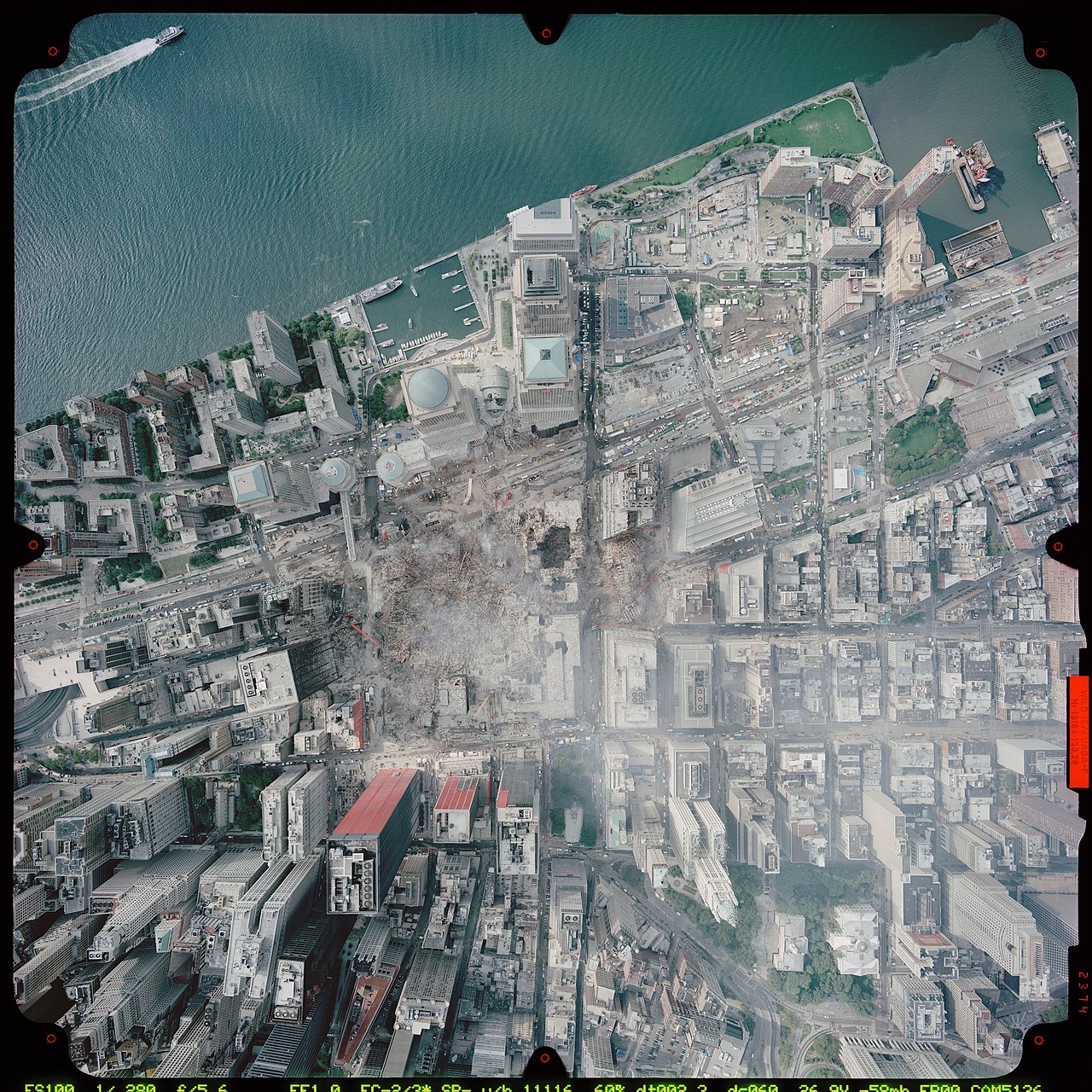
The term hypocenter literally means "below the center" and identifies the point beneath Earth's surface where seismic rupture starts or, in the context of an explosion, the point on the ground directly under a detonation. For an earthquake the hypocenter is also commonly called the focus. In discussions of weapons or large detonations it is used as a synonym for ground zero, though technical usage varies when the explosion occurs above ground.
Image gallery
4 Images


Characteristics and distinctions
The hypocenter is a three-dimensional location described by latitude, longitude and depth. Its surface projection is the epicenter, which often receives more public attention because it marks the nearest point on the surface to the rupture. Key distinctions include:
- Hypocenter: subsurface initiation point of rupture or the ground point beneath a burst.
- Epicenter: the point on the surface directly above the hypocenter.
- Airburst vs surface burst: for aerial explosions the hypocenter concept may refer to the intended ground zero beneath the airburst rather than the detonation point.
How it is determined
Seismologists locate a hypocenter by analyzing the arrival times of seismic waves at multiple stations and triangulating the origin time and position. Differences between P-wave and S-wave arrivals are particularly important in resolving depth. The determined hypocenter helps identify the fault segment that slipped and constrains the rupture process.
History and usage
The word traces to classical roots meaning "under" plus "center" and entered scientific use with the development of modern seismology and military ordnance terminology. In earthquake science the hypocenter/focus concept has been central since networks of seismographs allowed routine localization of events. In blast contexts the same vocabulary helps define casualty and damage predictions.
Why it matters
Hypocentral depth strongly influences shaking patterns and damage: shallow hypocenters tend to produce stronger surface shaking near the epicenter, while deeper events distribute energy more broadly. Accurate hypocenter location is essential for rapid response, seismic hazard assessment, and understanding fault mechanics. For detonations, identifying ground zero is crucial for forensic analysis and emergency planning related to a nuclear explosion.
Related articles
Author
AlegsaOnline.com Hypocenter: the underground origin of earthquakes and ground zero of blasts Leandro Alegsa
URL: https://en.alegsaonline.com/art/46193
Sources
- earthquake.usgs.gov : earthquake.usgs.gov