
Jimmy Piersall (1929–2017) — American baseball center fielder
Jimmy Piersall was a major league center fielder known for spirited play, two All-Star selections, a public struggle with bipolar disorder that inspired Fear Strikes Out, and a later career in broadcasting.
James Anthony "Jimmy" Piersall (November 14, 1929 – June 3, 2017) was an American professional baseball player who spent 17 seasons in Major League Baseball. Best known as a lively and sometimes erratic center fielder, Piersall played for several clubs between 1950 and 1967 and became a cultural figure after his publicized mental health struggles were dramatized in book and film.
Image gallery
2 Images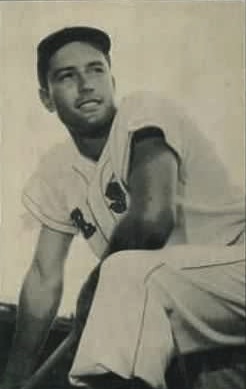

Early life and entry to the majors
Piersall was born and raised in Waterbury, Connecticut. He signed with the Boston organization and debuted with the Boston Red Sox, establishing himself as a steady outfielder with notable speed and defensive instincts. His personality—competitive, outspoken and prone to theatrical displays—made him a memorable presence on and off the field.
Major league career and achievements
During a career that included long stints in Boston and seasons with the Cleveland Indians, the Washington Senators, the New York Mets and the California Angels, Piersall compiled a reputation for consistency in the lineup and flair in the field. He was selected to the American League All-Star team in 1954 and 1956. In 1956 he played every game, led the league in doubles with 40, and finished the campaign with a strong batting average and run production. The next year he followed with a career-high mark in home runs for him, while also scoring over 100 runs.
- Teams (high level): Boston Red Sox, Cleveland Indians, Washington Senators, New York Mets, California Angels.
- Position: Center fielder — known for range and an aggressive style of play.
- Honors: Two-time American League All-Star.
Mental health, Fear Strikes Out, and public attention
Piersall’s struggle with what was later characterized as bipolar disorder became a defining element of his story. His breakdown, hospitalization and recovery in the 1950s formed the basis of the memoir and 1957 film Fear Strikes Out, which introduced broader audiences to the pressures athletes face and to the subject of mental illness in sports. Over time his experience contributed to a more open discussion about player well-being and the challenges of returning to professional competition after treatment for mental health conditions; contemporary descriptions often use the term bipolar disorder to characterize his condition.
Later life, broadcasting, and legacy
After retiring as a player, Piersall worked in broadcasting, serving as a radio and television voice for the Chicago White Sox from 1977 to 1981. He settled in the Chicago area and spent his later years in and around Chicago, Illinois. Piersall’s final years included care in hospice settings; he died in Wheaton following complications associated with a stroke while under hospice care. His life story remains notable for the combination of athletic accomplishment, memorable personality, and the role his experiences played in bringing attention to mental health in sports.
Piersall’s career is frequently recalled by historians and fans as an example of a talented, unconventional player whose personal struggles became part of his public identity. For further reading on his playing years, media portrayal, and postplaying activities see dedicated biographies and archival coverage.
Questions and answers
Q: What was the name of the book and movie about Jimmy Piersall?
A: The book and movie about Jimmy Piersall was called Fear Strikes Out.
Q: How many teams did Jimmy Piersall play for during his 17-year career in Major League Baseball?
A: During his 17-year career in Major League Baseball, Jimmy Piersall played for five teams - Boston Red Sox (1950, 1952–1958), Cleveland Indians (1959–1961), Washington Senators (1962–1963), New York Mets (1963) and California Angels (1963–1967).
Q: When was Jimmy Piersall born?
A: Jimmy Piersall was born on November 14, 1929.
Q: Where was he born?
A: He was born in Waterbury, Connecticut.
Q: How many All-Star games did he appear in?
A: He appeared in two All-Star games - 1954 and 1956.
Q: What were some of his accomplishments during the 1956 season?
A: During the 1956 season, he played all 156 games and posted a league-leading 40 doubles, scored 91 runs, drove in 87, and had a .293 batting average. The following year he hit 19 home runs and scored 103 runs.
Q: Where did he move to later in life?
A: Later in life he moved to Chicago, Illinois.
Related articles
Author
AlegsaOnline.com Jimmy Piersall (1929–2017) — American baseball center fielder Leandro Alegsa
URL: https://en.alegsaonline.com/art/50281
Sources
- usatoday.com : "Former major leaguer Jimmy Piersall dies at 87"
- chicagotribune.com : "Former outfielder, White Sox broadcaster Jimmy Piersall dead at 87"