
Major League Baseball All-Star Game
Annual midseason exhibition pitting the best players from the American League and National League. Covers format, history, selection, traditions, and its role in MLB's season.
Overview
The Major League Baseball All-Star Game is an annual midseason exhibition that brings together standout players from the two leagues that make up Major League Baseball. Traditionally played in July, the contest matches representative teams from the American League and the National League. The All-Star Game is the centerpiece of All-Star Week, which also includes fan events such as the Home Run Derby the night before.
Image gallery
5 Images


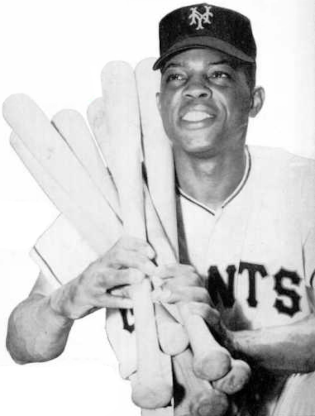
Format and selection
Selection of All-Star participants combines fan, player, and official input. Fans vote to choose the starting position players; managers, players and league offices fill out the remainder of the rosters, including pitchers and reserves. Injury replacements and last-minute changes are made by team managers and the league office. The venue rotates among MLB ballparks, giving different cities a chance to host the festivities.
History and development
The All-Star Game was created in the early 20th century as a single showcase for the sport and has evolved into a major media and fan event. Over the decades the contest has reflected changes in baseball — from roster sizes and roster rules to voting methods and broadcast coverage. For a brief period in the late 1950s and early 1960s, two All-Star Games were held each season to raise money for players’ pension funds. Other adjustments have been introduced in response to competitive concerns or fan interest.
Significance and traditions
Beyond the exhibition itself, the All-Star Game highlights midseason achievements and gives fans an opportunity to see top performers from across teams on the same field. Traditions include pregame ceremonies, introduction of the rosters, and the All-Star Game MVP award. The Home Run Derby, typically staged the evening before, showcases power hitters in a televised, fan-friendly format.
Competitive implications and notable changes
While historically an exhibition, the game has occasionally had competitive implications. From 2003 through 2016 the outcome determined which league’s champion would receive home-field advantage in the World Series. That rule was later replaced by a system that awards home-field advantage based on regular-season records between the pennant winners. The All-Star Game has produced memorable performances, controversial ballots and unique outcomes — including a small number of tied games — which have prompted rule changes and debates about the event’s role in the season.
Why it matters
- Spotlights individual achievement at the season’s midpoint.
- Generates fan engagement through voting and special events.
- Provides a neutral showcase where players from many teams appear together.
The All-Star Game remains one of baseball’s most visible annual events, blending competition, celebration and tradition while adapting to the changing landscape of the sport.
Related articles
Author
AlegsaOnline.com Major League Baseball All-Star Game Leandro Alegsa
URL: https://en.alegsaonline.com/art/60856