
Waterbury, Connecticut
Waterbury is an industrial city in the Naugatuck River valley of Connecticut, known as the “Brass City” for its manufacturing heritage and home to a diverse population of just over 100,000.
Waterbury is a city in the Naugatuck River valley of Connecticut with a population just over 100,000. Historically an industrial center, it developed large brass and clock-making industries in the 19th and early 20th centuries. Today the city combines older manufacturing neighborhoods, a dense historic downtown, and residential districts on surrounding hills. For more information, see Waterbury.
Image gallery
10 Images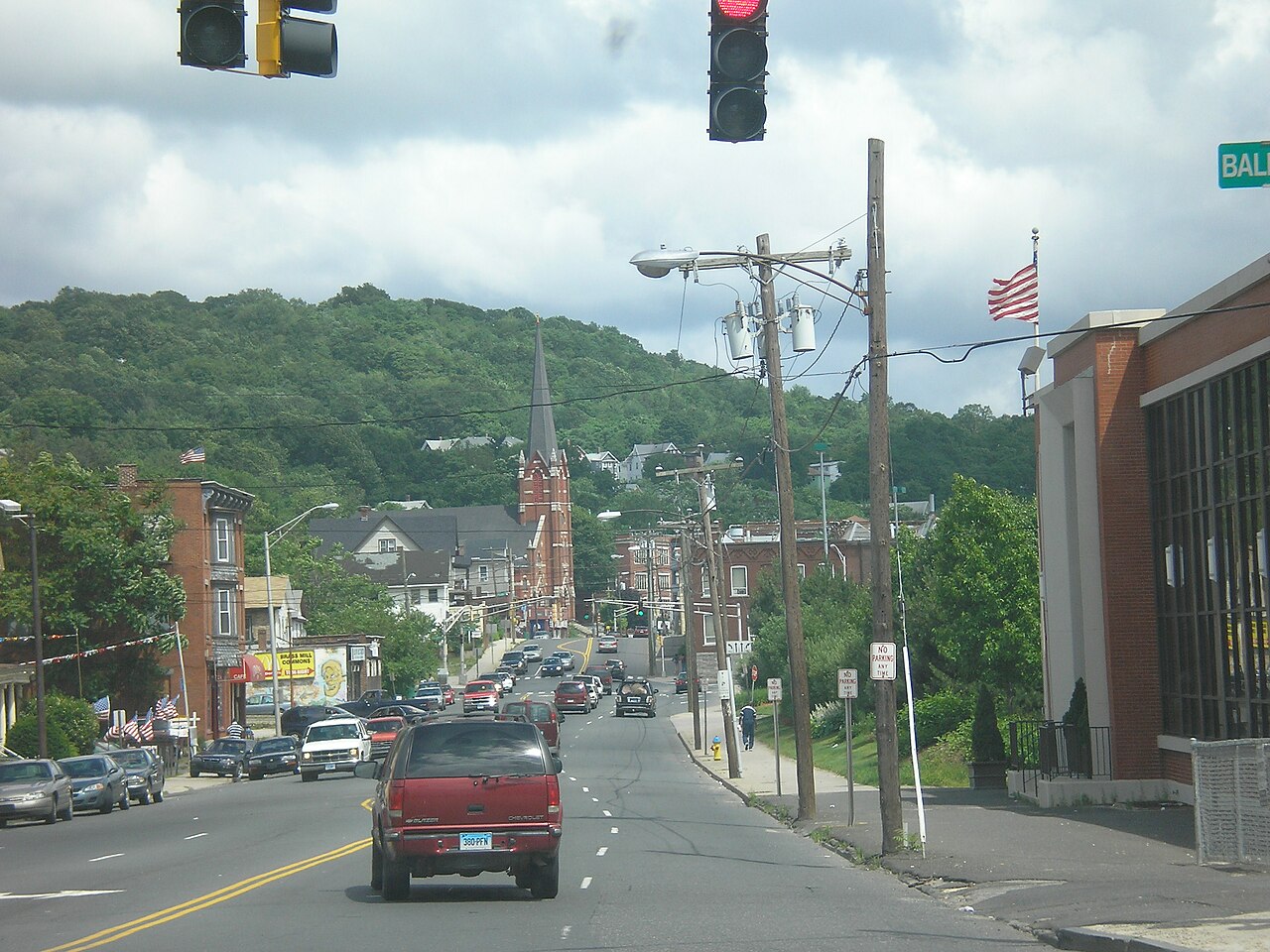


Geography and neighborhoods
Waterbury sits where the Naugatuck River cuts through a series of hills and valleys. The urban core contains the downtown commercial district and civic buildings, while former mill areas and residential neighborhoods extend along river corridors and hillsides. The mix of row houses, apartment blocks and single-family homes reflects waves of growth tied to industry and immigration.
History and development
Originally settled in the colonial era, Waterbury grew rapidly during the Industrial Revolution. Local foundries and factories produced brassware, clock components and related goods; the Waterbury Clock Company later evolved into the company known today as Timex. That manufacturing legacy gave the city its nickname, the "Brass City." Large immigrant communities arrived to work in the mills and factories, shaping the city’s cultural and religious life.
Economy, culture and institutions
After mid-20th century deindustrialization, Waterbury’s economy shifted toward services, health care, retail and small-scale manufacturing, while civic leaders have promoted downtown revitalization. Cultural institutions and landmarks include:
- Mattatuck Museum, with local art and history collections
- Historic theaters and commercial architecture in the downtown core
- Former mill complexes that record the city’s industrial past
Local festivals, ethnic churches and neighborhood organizations reflect the city’s diverse population and immigrant heritage.
Transport, education and contemporary issues
Waterbury is linked to the region by road and rail connections and serves as a regional center for shopping, medical services and some higher-education programs. Like many older industrial cities, Waterbury faces challenges such as adapting former industrial sites, economic diversification and investment in housing and public services, while also pursuing preservation and community revitalization.
Related articles
Author
AlegsaOnline.com Waterbury, Connecticut Leandro Alegsa
URL: https://en.alegsaonline.com/art/106828