
Jigging (fishing technique)
Jigging is a fishing method that uses weighted lures (jigs) moved with vertical motions to attract predatory fish. It includes several specialized styles, gear choices, and regional variations.
Overview
Jigging is a targeted form of angling that relies on a weighted lure called a jig, presented with repeated vertical or near-vertical motions to imitate a wounded or fleeing baitfish. Unlike bait fishing, which depends on scent and static presentation, jigging puts the lure in motion so predatory species are enticed by movement and flash. It is practiced widely across the world, with notable communities using the technique in fishing-rich waters and coastal regions such as Japan, Okinawa, the United States, and Canada.
Image gallery
5 Images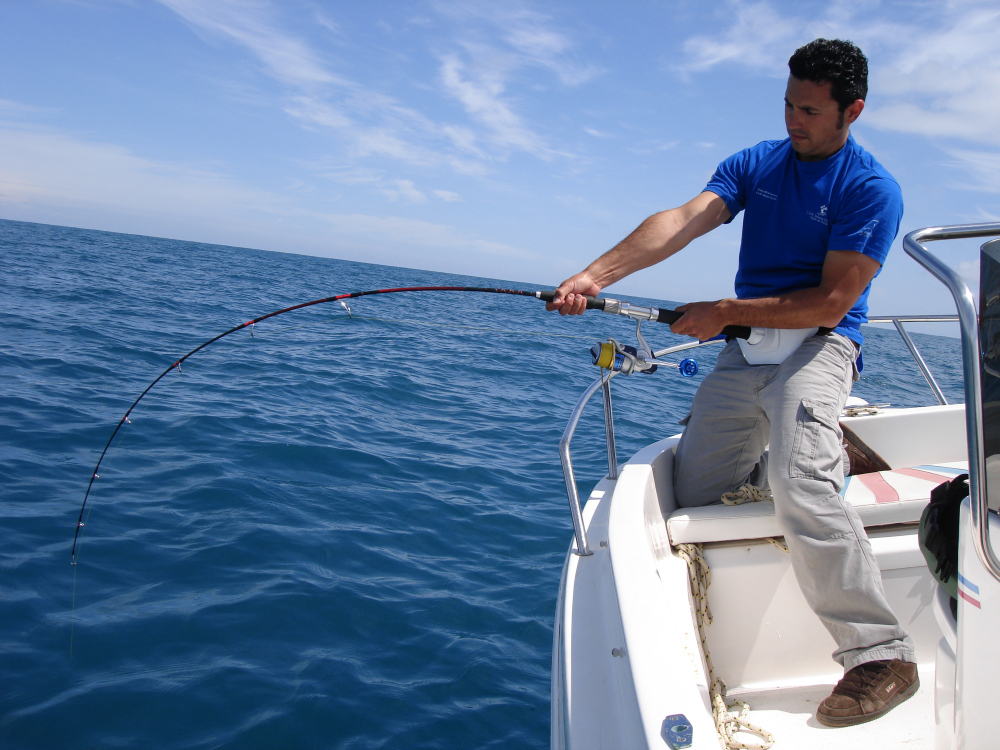



Gear and basic technique
Central to jigging is the jig itself: a weighted head often of metal, sometimes dressed with feathers, silicone skirts or soft plastics to add profile and vibration. Rods used for jigging are typically stout and responsive; reels may be conventional or spinning depending on style. Lines may be braided or monofilament, often combined with fluorocarbon leaders for abrasion resistance and lower visibility. A brief summary:
- Jigs: metal jigs, flutter jigs, soft-plastic jigs
- Rods & reels: medium-heavy to heavy rods with fast action
- Technique: sharp upward lifts (jerks) followed by rapid or controlled falls
History and development
The concept of jerking a lure to provoke strikes has long roots, but modern jigging — using dense metal jigs and dedicated rod actions — developed during the 20th century and was refined by commercial and sport anglers in Japan and elsewhere. Innovations in metallurgy, line technology and boat electronics expanded jigging's reach, making it effective at depth and around structure where predators congregate.
Variations and applications
There are several recognized styles: vertical jigging (drop the jig and lift it straight up), slow-pitch or 'slow' jigging (rhythmic, exaggerated lifts designed to tempt sluggish fish), and speed jigging (rapid retrieves to trigger reaction strikes). Anglers use these methods from vessels, piers and even through ice. Jigging targets a wide range of species, including tunas, amberjacks, groupers, snappers, cod and other pelagic or demersal predators.
Distinctions and practical notes
Jigging differs from trolling and bottom-baiting by its reliance on repeated motion rather than presentation by drift or stationary bait. It is adaptable: many general-purpose rods and lures can be employed for casual jigging, while specialized equipment improves efficiency in deep or heavy-structure fishing. For more on jigs and styles see general resources: jig basics and regional guides in Japan or the United States. Practical considerations include matching jig weight to depth and current, using appropriate terminal tackle, and following local regulations and safety practices when fishing from boats or ice.
Related articles
Author
AlegsaOnline.com Jigging (fishing technique) Leandro Alegsa
URL: https://en.alegsaonline.com/art/50169