
Fishing lure: types, design, history and use
Artificial object attached to a fishing line that imitates prey; overview of designs, materials, common types, techniques, history and distinctions from natural bait.
Overview
A fishing lure is an artificial object attached to the end of a fishing line and intended to attract and provoke strikes from fish. Unlike natural bait, which relies on scent or edible appeal, a lure works by imitating the appearance, movement or sound of prey and triggering a fish's predatory or territorial instincts. Lures are fitted with one or more hooks and are used in many forms of angling, from light freshwater casting to heavy offshore trolling. For a concise definition see what a lure is.
Image gallery
8 Images




Parts and design characteristics
Most lures combine a body, a means of producing motion or reflection, and hooks. Bodies are shaped and finished to look like baitfish, insects, crustaceans or other food items: they may be painted, fitted with eyes, or finished with reflective surfaces. The hooks may be single, double or treble and are sometimes barbed; some anglers prefer barbless hooks for easier release. Lures are cast and retrieved on a fishing rod and line; their effectiveness depends on how they move through the water and how the angler imparts action with the rod or reel — basic casting equipment is described at fishing rod.
Materials and mechanics
Lures can be made from many materials. Traditional plugs and hardbaits are carved from wood or molded from hard plastics; soft lures use rubber or elastomeric plastics; spoons and spinners are stamped from metal; some flies and surface lures include feathers or hair for realistic motion. Common materials include rubber and soft plastic, metal alloys, cork and natural fibers such as feathers. Designers adjust buoyancy so a lure will float, sink, or suspend at a given depth, and shape features such as lips, cups or blades create distinctive actions and vibrations.
Types and examples
- Plugs / crankbaits: hollow or solid hardbaits that dive to various depths and wobble to mimic fish.
- Spoons and spinners: metal lures that flash and spin to imitate small fish or fleeing prey.
- Jigs: weighted heads with a skirt or soft body, useful for vertical presentation and bottom fishing.
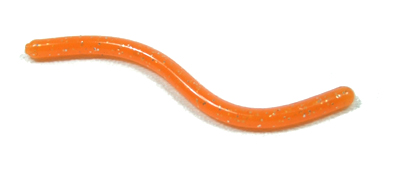
- Soft plastics: worms, grub tails and creature baits rigged on a hook for lifelike movement.
- Poppers and surface lures: create splashes or popping sounds to attract top-feeding fish.
- Flies: lightweight lures made of thread, fur and feathers used in fly fishing to imitate insects or small fish.
Different lures are chosen for species, water depth, clarity, current and the behavior of fish at the time.
History and development
The idea of using artificial attractors is old, but mass-produced wooden and later molded lures became common in the late 19th and early 20th centuries. A well-known early manufacturer popularized carved wooden surface lures around 1890 — an origin often cited in histories of tackle. Over the decades, materials and manufacturing advanced: metal spoons, electroplated finishes, injection-molded plastics and modern polymers expanded the range of actions and durability available to anglers. Collectible antique lures are sought after by hobbyists and can fetch significant sums.
Usage, techniques and important distinctions
Anglers use lures in many ways: casting and retrieving, trolling behind a moving boat, jigging in a vertical motion, or fly-casting with a weighted line. Choosing a lure considers size, color, action and sound; sometimes subtle differences in retrieve speed or rod motion determine success. Lures differ from natural bait in that they generally do not rely on scent and can be used repeatedly. Practical considerations include hook safety, local regulations about barbs or species-specific restrictions, and the ethics of catch-and-release. For basic casting technique consult casting basics.
Notable facts and further reading
Some lures are produced as limited editions or hand-finished pieces and become valuable collector items. Anglers experimenting with materials may carve or modify lures by hand; traditional craft techniques such as wood carving remain part of the hobby. For more on construction and species-specific selection, readers can explore introductory resources and manufacturer guides available through beginner angling sites and specialty tackle retailers.
Additional reading and technical resources: definition and basics, hook types, rod equipment, casting technique, soft materials, metal lures, buoyant materials, feather and hair dressing, traditional carving methods.
Questions and answers
Q: What is a fishing lure?
A: A fishing lure is an object used to catch fish. It is tied to the end of a fishing line and made to look like something a fish would eat. They move in a special way and have certain colors, with fishing hooks attached to them.
Q: How are lures used?
A: Fishing lures are usually used with a fishing rod. When they are used, they are cast, or thrown, out into the water and pulled back in. A good fisherman can cast the lure into places where the fish hide, like under logs.
Q: What materials can lures be made from?
A: Fishing lures can be made from wood, plastic, rubber, metal, cork, feathers, animal hair and other materials. Some are shiny so that they catch the fish's attention.
Q: What types of lures exist?
A: There are many types of fishing lures such as jigs or poppers. A jig will usually have a weight attached to it so it can float at the right height while poppers have colorful designs in front to attract fish.
Q: How expensive can fishing lures be?
A: Fishing lures can be very expensive as some are sold for thousands of dollars.
Q: Who invented the first fishing lure?
A: The first fishing lure was invented in 1890 by James Heddon who created it by accident by taking a big piece of wood and carving a frog shape into it before attaching it to his line and catching bass immediately afterwards.
Related articles
Author
AlegsaOnline.com Fishing lure: types, design, history and use Leandro Alegsa
URL: https://en.alegsaonline.com/art/34642
Sources
- takemefishing.org : Take Me Fishing.
- oldfishinglure.com : "Old Fishing Lures."
- aa-fishing.com : "Fishing Lures."