
Jerusalem artichoke (Helianthus tuberosus): overview, uses, and cultivation
A concise encyclopedia entry on the Jerusalem artichoke (Helianthus tuberosus), its botany, history, culinary and industrial uses, cultivation, and notable distinctions.
The Jerusalem artichoke (Helianthus tuberosus), also known as sunchoke, sunroot, topinambour or earth apple, is a perennial sunflower species grown for its edible underground tubers. Despite its common name, it is not related to the globe artichoke; it belongs to the Asteraceae (sunflower) family. The plant is cultivated and found wild across temperate regions and is valued for its tubers, which have a distinct sweet, nutty flavor and a crisp texture when raw.
Image gallery
8 Images



Botanical characteristics
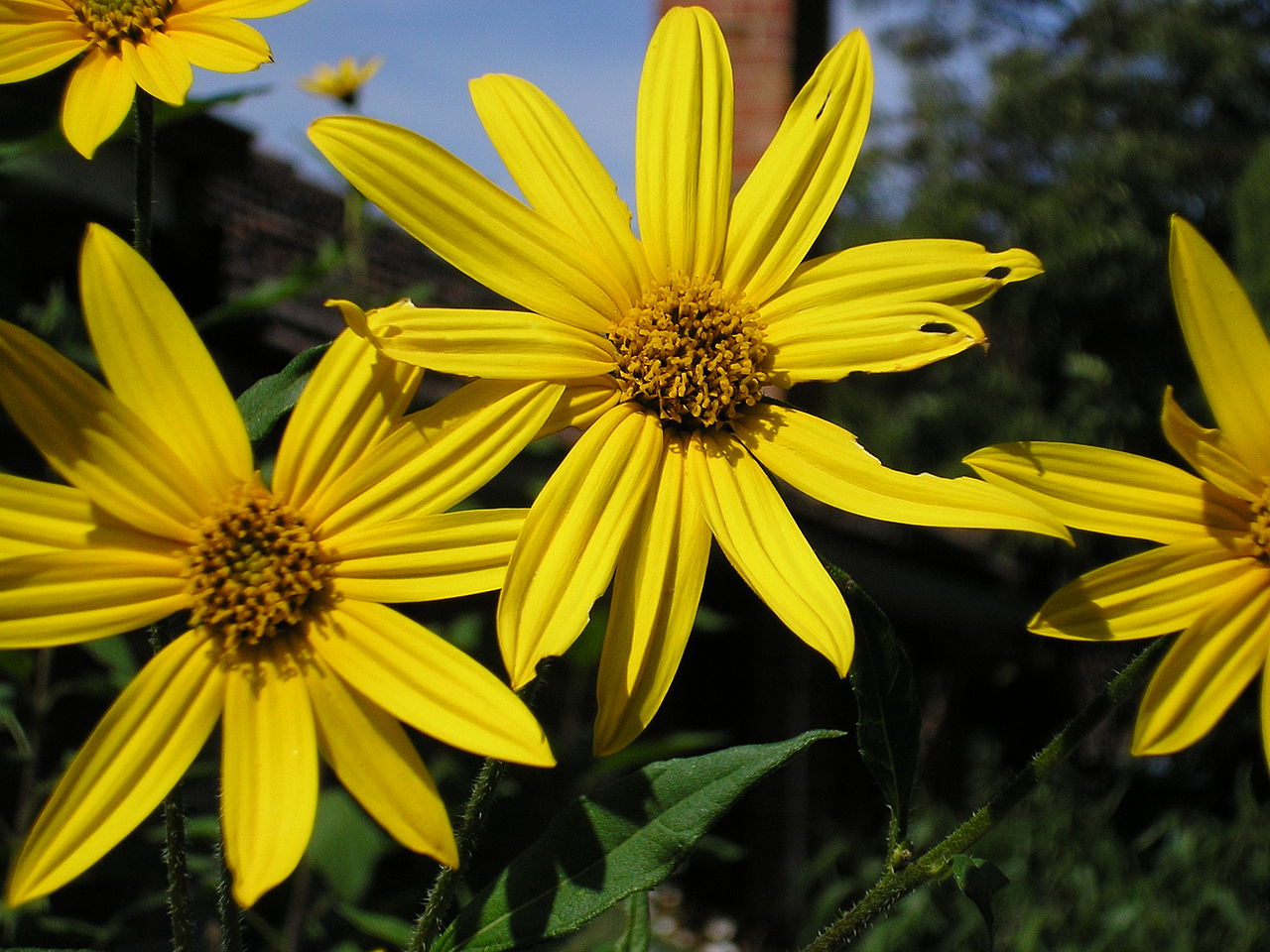
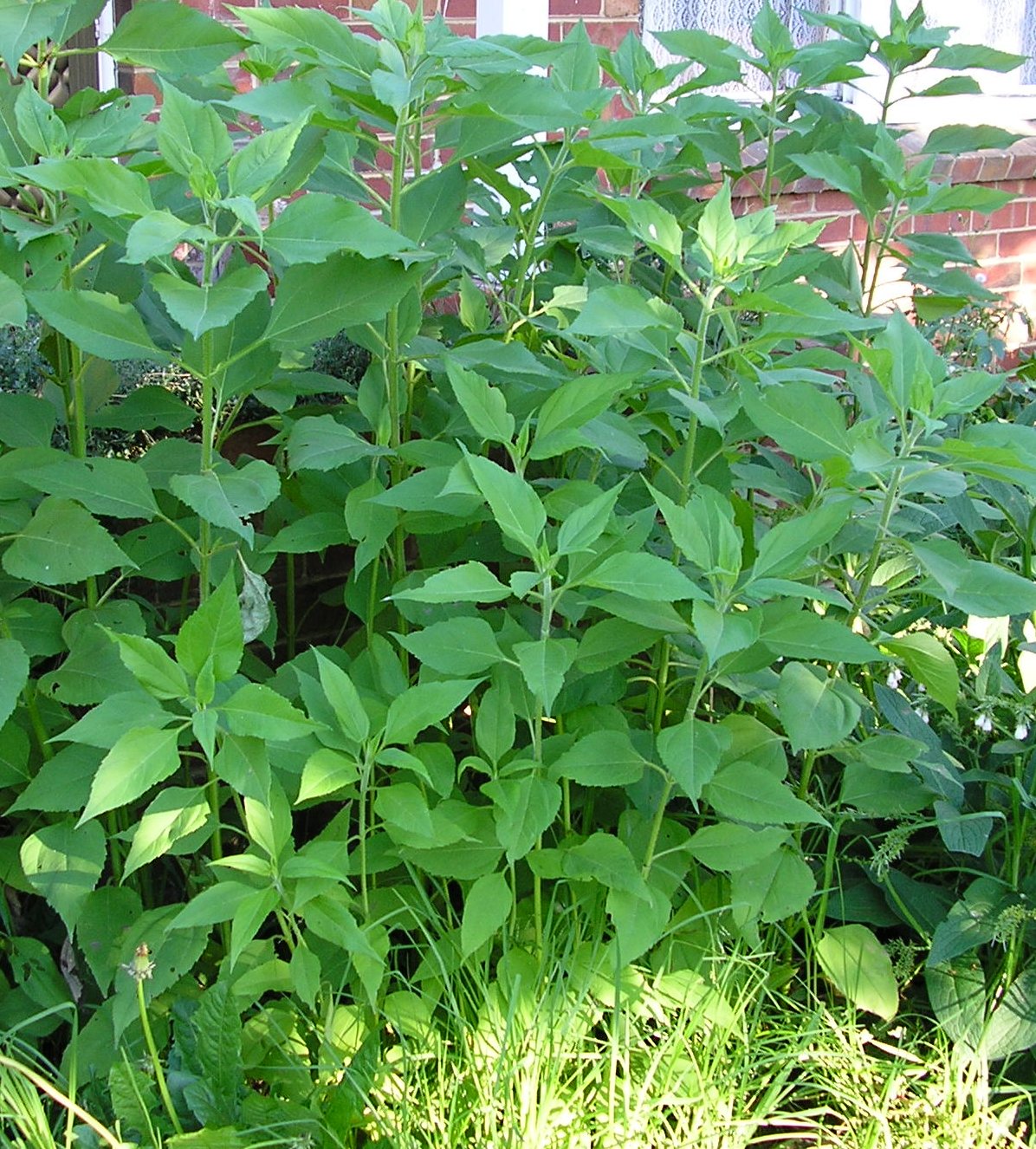
Helianthus tuberosus typically produces tall, branching stems and daisy-like yellow flower heads similar to other sunflowers. The edible portion is a cluster of tubers formed on rhizomes; tuber shapes vary from elongated to knobbly. The species multiplies readily by these underground stems, making it a vigorous perennial that can form dense stands in favorable conditions. Its chemistry includes inulin, a fructan carbohydrate that behaves differently from starch during digestion.
History and distribution
Native to eastern North America, the Jerusalem artichoke was used by Indigenous peoples as a food crop before European contact. It was introduced into Europe and other temperate regions where it became a cultivated vegetable and a forage plant. The common English name likely arose from a corruption of Italian words for sunflower (girasole) rather than any connection to the city of Jerusalem.
Uses and culinary notes
The tubers are eaten raw, carved into salads, or cooked by boiling, roasting, frying or pureeing for soups and gratins. When cooked they soften and develop a sweet, earthy flavor; raw tubers are crisp and watery. Because they contain inulin rather than much digestible starch, Jerusalem artichokes are sometimes recommended as a low-glycemic ingredient, but the inulin can cause digestive gas or discomfort in sensitive individuals.
Cultivation, storage and ecological notes
They are propagated by planting pieces of tuber or whole small tubers in well-drained soil after frost risk has passed. Plants tolerate a range of soils and require minimal care, which contributes to their popularity but also to their potential to naturalize or become invasive. Tubers keep well when stored cool and dark for several months; harvesting is easiest after a light frost when the foliage dies back.
Economic and other uses
- Food: fresh market and culinary ingredient in many cuisines.
- Animal feed: used as fodder in some regions.
- Industrial: investigated as a source of inulin for food and health products and as a feedstock for bioenergy.
For further botanical details, cultivation advice and recipes, consult trusted resources: plant profile, distribution map, species account, cultivation guide, nutritional information, historical notes, variety descriptions, storage and handling, and industrial uses overview.
Related articles
Author
AlegsaOnline.com Jerusalem artichoke (Helianthus tuberosus): overview, uses, and cultivation Leandro Alegsa
URL: https://en.alegsaonline.com/art/50021
Sources
- ars-grin.gov : Helianthus tuberosus
- hort.purdue.edu : Helianthus tuberosus
- nwrec.hort.oregonstate.edu : Jerusalem Artichoke