
Janus: Roman god of beginnings, doors, and transitions
Janus, the two-faced Roman deity of gates, doorways, beginnings and endings; guardian of transitions, associated with January, temples with doors opened in war and closed in peace, and enduring symbolic legacy.
Janus is a distinctive figure in Roman religion and myth: a deity who presides over beginnings, endings and the thresholds between states. Known for his two faces—one looking forward, the other backward—Janus symbolizes transition, time's passage, and the physical and metaphorical doors that separate one condition from another. The month of January (Ianuarius) in the Roman calendar bears his name, reflecting the idea of turning from the past year toward the next.
Image gallery
10 Images



Characteristics and iconography
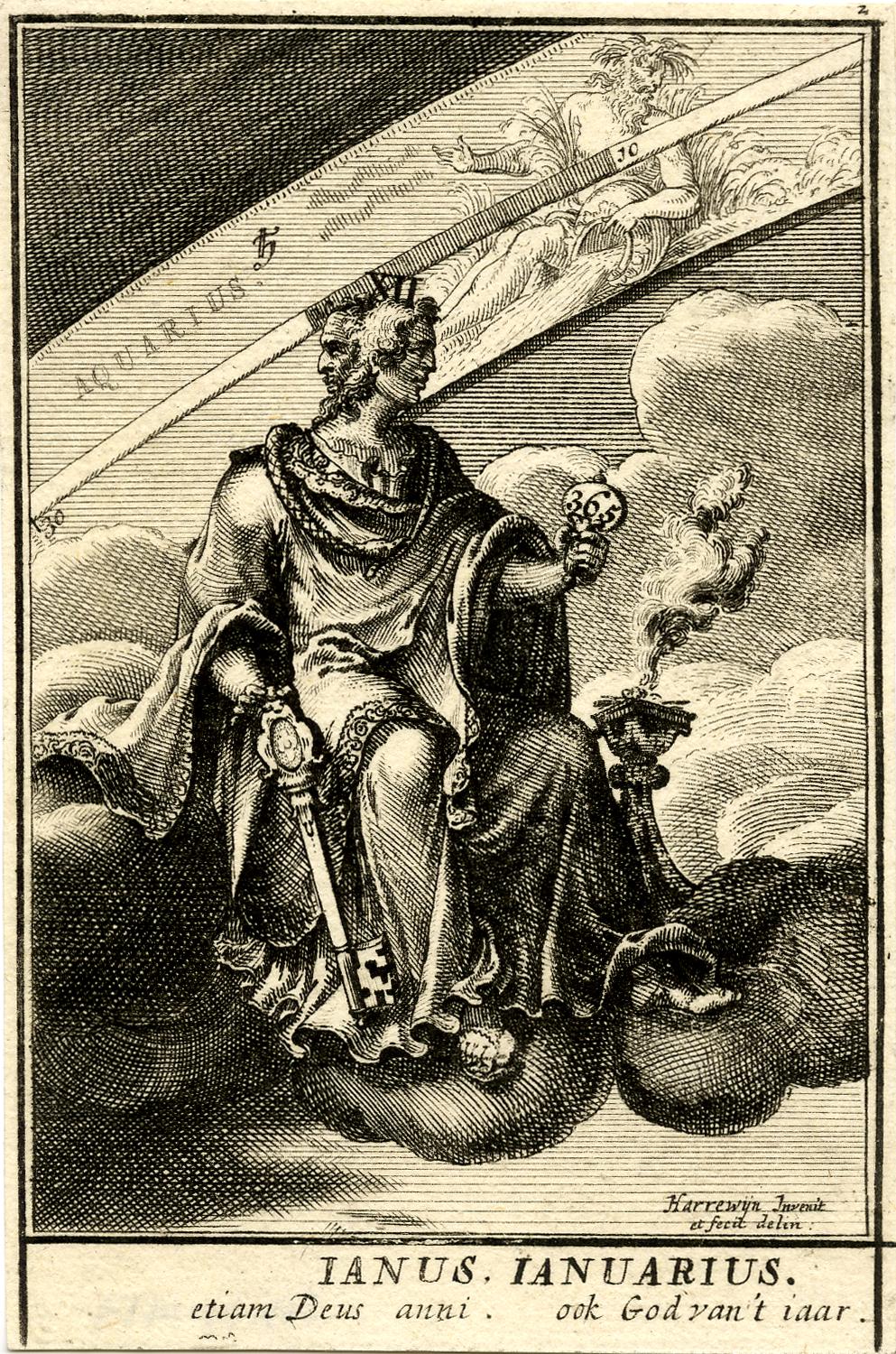
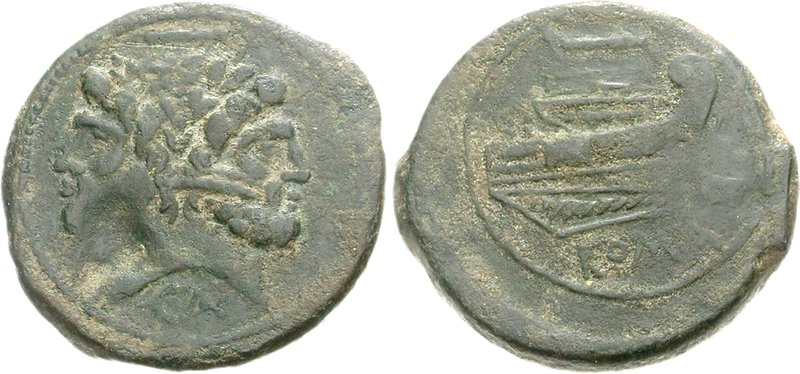
Janus is most commonly depicted with two faces placed back-to-back, allowing him to see both past and future. He is associated with gateways, doors, arches and passages of all kinds: household doorways, city gates, harbor mouths and more abstract threshold moments such as births, beginnings of enterprises, and diplomatic openings. Symbols connected to him include keys and gates, and in art he sometimes appears as an older, bearded man paired with a younger visage.
Functions, rites and temples
As guardian of transitions, Janus was invoked at ceremonies that marked a change in state: the start and close of the year, rites of passage like births and marriages, and the outset or conclusion of wars. A notable civic ritual involved the doors of his principal shrine: in traditional accounts the doors were left open in time of war and closed in times of peace, making the temple’s doors a public sign of Rome's condition. Offerings, prayers and formal announcements often accompanied his cult observances.
Origins and cultural context
Janus belongs to an older layer of Italic religion rather than to the later Greek-influenced pantheon; classical writers emphasize that there was no direct Greek equivalent. His name derives from Latin words for doorway and entry (compare ianua), underlining his intimate link with entrances and beginnings. Over time his character merged practical concerns—safe passage, trade and travel—with abstract ideas about time and continuity.
Importance and legacy
Beyond ritual life, Janus has been a rich symbol in Roman literature, law and political imagery: emperors and magistrates might appeal to his authority when opening temples, founding colonies or beginning military campaigns. In later Western culture Janus appears in art and philosophy as a metaphor for duality, hindsight and foresight, and his name endures in language and calendar customs.
Further reading and reference links
- Overview of Janus in Roman religion
- Janus and the symbolic gate
- Rituals for war and peace connected to Janus
- Janus’s role in Roman warfare and diplomacy
- Festivals and civil rites honoring Janus
- The temple and its doors
- Comparative notes on Janus and other deities
- Why the Greeks lacked a direct Janus equivalent
Related articles
Author
AlegsaOnline.com Janus: Roman god of beginnings, doors, and transitions Leandro Alegsa
URL: https://en.alegsaonline.com/art/49483