
Japanese divinities: kami, bodhisattvas and syncretic gods
Overview of divinities in Japanese religion and culture: indigenous kami, imported Buddhist and Taoist figures, major deities, history of syncretism, rituals, and cultural roles.
Japanese divinities encompass a broad range of spiritual beings and deified humans that appear across indigenous religion and later imported traditions. The native Shinto concept of kami describes spirits linked to nature, ancestors and places. Over centuries, figures from Buddhism and Taoism were adopted and adapted, producing a layered landscape of gods integrated into Japanese mythology and popular folklore.
Image gallery
6 Images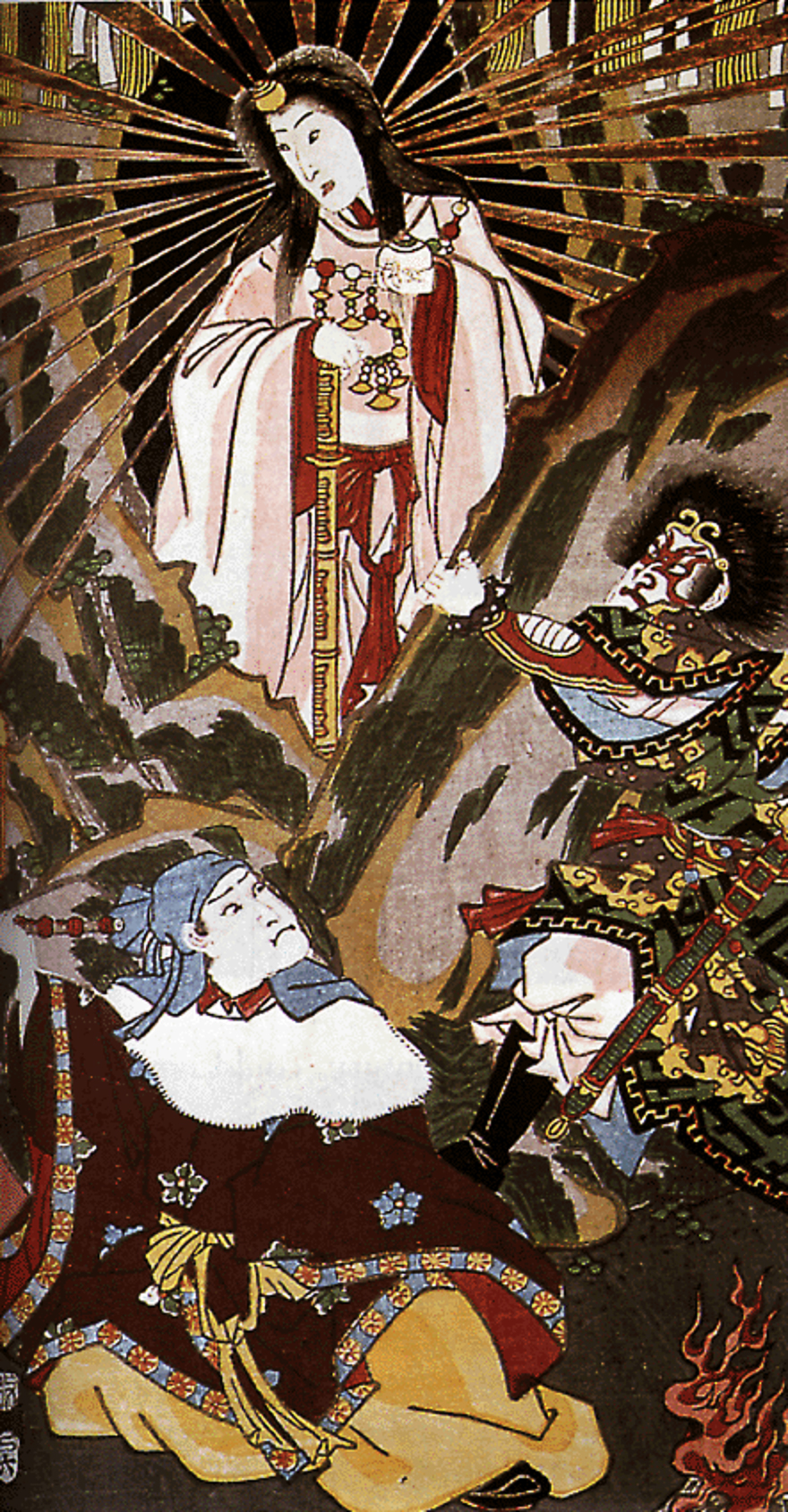


Characteristics and roles
Many divinities are immanent rather than wholly transcendent: they inhabit mountains, rivers, trees and human institutions. Some are personified forces (sun, storm, fertility), others are protective spirits, tutelary deities of professions, or deified historical figures. Shrines, rites and festivals (matsuri) maintain relationships between communities and these beings. Unlike the Western concept of a single omnipotent god, Japanese divinity is often plural, local and situational.
Major deities and groups
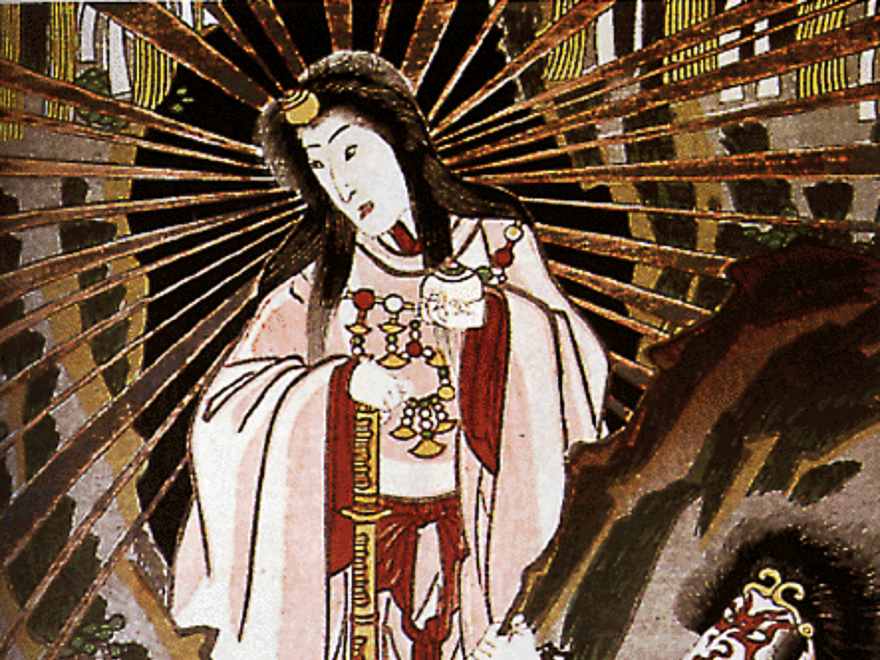
- Amaterasu — the sun goddess central to the Shinto pantheon.
- Izanagi and Izanami — creator pair in origin narratives.
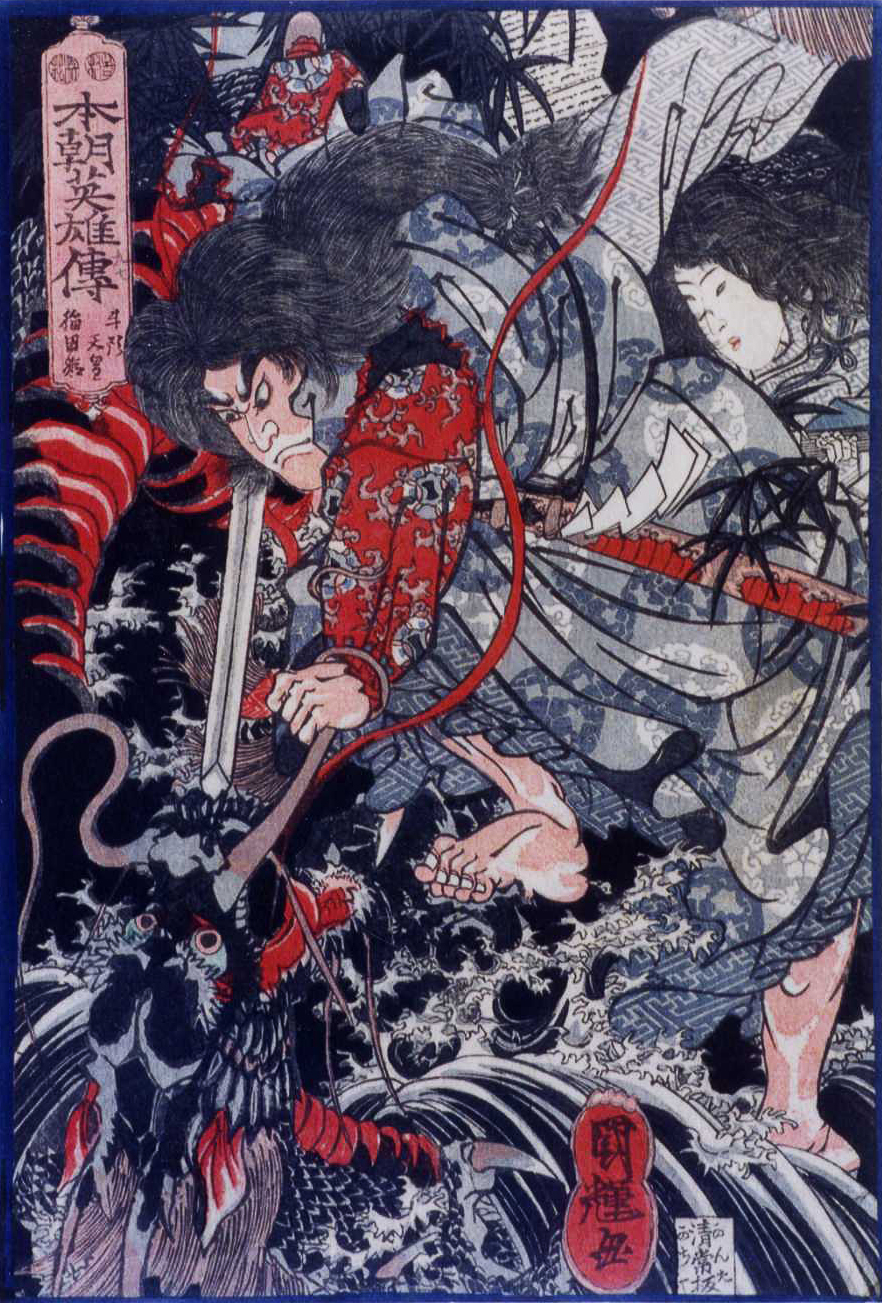
- Susanoo — storm god, sibling of Amaterasu.
- Inari — associated with rice, prosperity and fox messengers.
- Hachiman — protector of warriors and nation, often worshipped at shrines.
- Tenjin — deified scholar (Sugawara no Michizane) venerated as patron of learning.
- Ebisu, Benzaiten, Jizō, Fudō Myō-ō and others — examples of Buddhist and syncretic figures with popular followings.
- Shichifukujin — the Seven Lucky Gods, a syncretic group mixing Buddhist, Shinto and foreign elements.
History and syncretism
Indigenous worship predates organized state religion; contacts with the Asian continent brought Buddhist and Taoist doctrines that were blended with local beliefs in a process often called syncretism. For many centuries, shrine and temple practices overlapped. Modern reforms in the nineteenth century sought to separate institutions, but popular devotion and cultural expressions largely preserved mixed forms.
Cultural importance and rituals
Divinities appear in festivals, temple and shrine architecture, household altars and place names. Pilgrimages, seasonal rites, and artistic depictions in literature and visual arts maintain their presence in daily life. Understanding these deities illuminates Japanese views of nature, community and the sacred.
Distinctions and notable facts
Key distinctions include the fluid boundary between kami and imported gods, the local character of many worshipped spirits, and the continued adaptation of religious figures to social needs (education, commerce, health). Scholars emphasize both continuity and change in how divinities are perceived and honored.
Questions and answers
Q: What is the focus of the text?
A: The focus of the text is Japanese divinities present in their religious traditions.
Q: What is Shinto?
A: Shinto is a religion that originated in Japan, which emphasizes the worship of ancestors and nature.
Q: How did Buddhism and Taoism influence Japanese mythology and folklore?
A: Buddhism and Taoism are two religions that influenced Japanese mythology and folklore by introducing new divinities and concepts.
Q: Are there divinities unique to Shinto?
A: Yes, many divinities in Japanese mythology are unique to Shinto.
Q: Were all imported divinities integrated into Japanese mythology?
A: Yes, all imported divinities were integrated into Japanese mythology and folklore as a way of incorporating foreign concepts into their own beliefs.
Q: Can you give an example of an imported divinity in Japanese mythology?
A: Kannon, a Buddhist goddess of mercy, is an example of an imported divinity in Japanese mythology.
Q: How is Japanese mythology and folklore still relevant today?
A: Japanese mythology and folklore are still relevant today in popular culture, such as manga, anime, and video games, as well as in traditional practices and rituals.
Related articles
Author
AlegsaOnline.com Japanese divinities: kami, bodhisattvas and syncretic gods Leandro Alegsa
URL: https://en.alegsaonline.com/art/49520