
James Boswell: Scottish lawyer, diarist and biographer
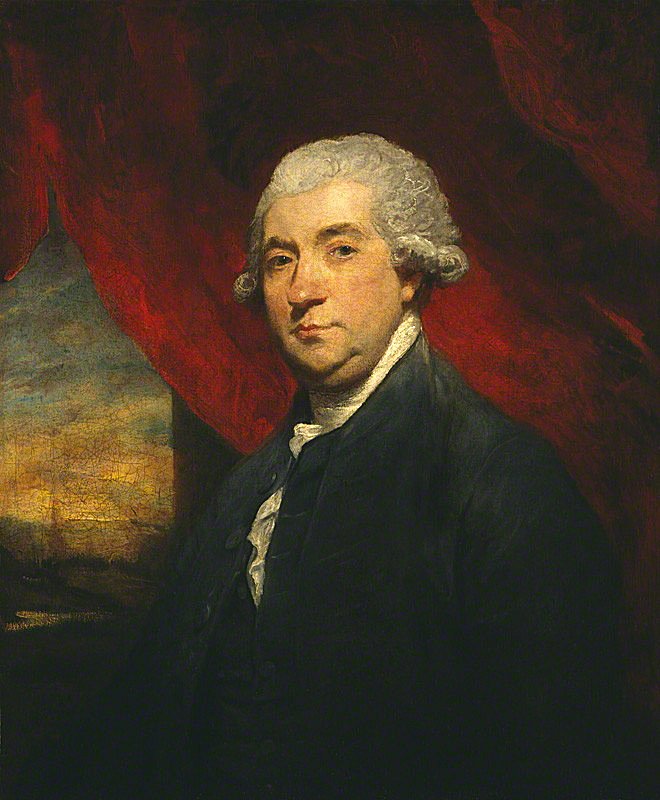
James Boswell (1740–1795) was a Scottish lawyer and author best known for The Life of Samuel Johnson and for extensive journals whose later publication transformed modern biography.
James Boswell was a Scottish lawyer and writer whose vivid personal journals and pioneering biography reshaped how lives were recorded. Born in 1740, he trained in the law and moved in literary and political circles of his day. Boswell combined a legal education and social ambition with a lively curiosity about people and events, producing both travel writing and one of the most influential biographies in English.
Image gallery
7 Images



Career and principal works
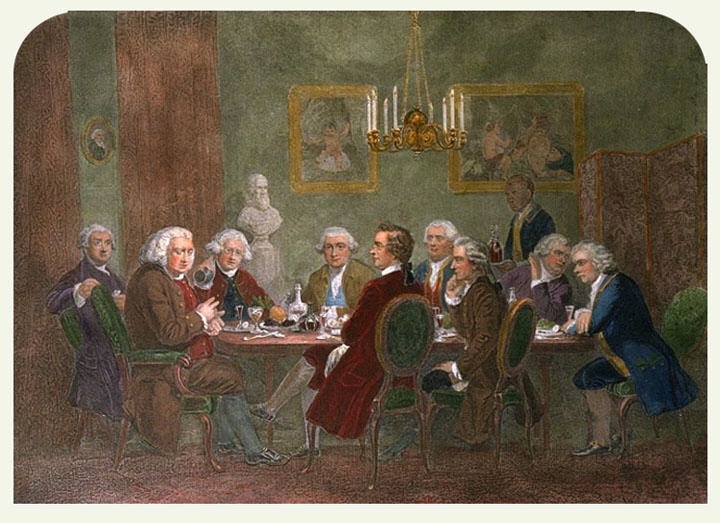
As a practicing lawyer who also earned a reputation as an engaging conversationalist, Boswell turned to letters and memoirs as modes of expression. He is best remembered for The Life of Samuel Johnson, first issued in 1791 (original edition), a long-form biography based on extensive notes and conversations with his friend and mentor Samuel Johnson. Earlier in his career he published travel accounts such as An Account of Corsica and A Journal of a Tour to the Hebrides, writings that blend observation, anecdote and social comment.
Journals, discovery and publication
Boswell kept copious journals, notebooks and correspondence that record daily life, conversations and private reflections. Large portions of these personal papers were not widely available until collections were rediscovered and catalogued in the early twentieth century, notably during the 1920s and 1930s. These manuscripts and fragments—often frank about sex, politics and personal failings—were gradually edited and published, many through the modern editorial effort associated with Yale University, which helped make the material accessible to scholars and general readers alike (his papers and journals).
Boswell’s willingness to record unvarnished detail brought both admiration and controversy. His diaries offer a rare contemporary perspective on eighteenth‑century social life and literary culture, but their candidness has raised questions about privacy, editorial selection and how posthumous materials should be used.
Style and historiographical importance
Unlike many biographies of his era, Boswell’s major works combine narrative, direct quotation and intimate anecdote. This method gives readers a sense of personality as well as events, and has been credited with influencing the modern biographical form. Critics and historians praise Boswell for preserving the texture of spoken language and routine exchange, even while they debate his reliability on particular incidents.
Selected works and legacy
- The Life of Samuel Johnson (1791) — Boswell’s best-known work and a landmark in English biography.
- An Account of Corsica — early travel and political writing that helped establish his youthful reputation.
- Journals and private papers — extensive diaries published in modern editions drawn from manuscripts rediscovered in the 20th century.
- Personal records and contemporary correspondence preserved in archives that support ongoing scholarship.
James Boswell died in 1795 (death year), leaving behind an unusually full self‑portrait. He is frequently described as a Scottish (Scots) figure whose work crossed national and literary boundaries. Today Boswell remains central to studies of biography, eighteenth‑century literature and social history; his papers and published editions continue to be important resources for researchers and readers interested in the period (1740, 1795, author).
Related articles
Author
AlegsaOnline.com James Boswell: Scottish lawyer, diarist and biographer Leandro Alegsa
URL: https://en.alegsaonline.com/art/49185