
James Braid: Scottish Surgeon and Pioneer of Hypnotism
James Braid (1795–1860) was a Scottish surgeon who introduced the term 'hypnotism' and developed clinical methods of trance based on physiological explanations and eye‑fixation techniques.
Overview
James Braid was a Scottish surgeon and experimental clinician who became one of the earliest systematic investigators of trance phenomena. Trained and qualified in surgery, he later turned his attention to what was then called mesmerism and reframed it in medical terms, coining the word "hypnotism" to describe a reproducible state of focused attention and suggestibility. His work emphasized natural physiological processes rather than occult forces.
Image gallery
10 Images





Life and career
Braid was born in Portmoak, Scotland and practiced as a surgeon before developing interest in the popular demonstrations of mesmerism occurring in Britain. After witnessing public displays, he began controlled experiments and published accounts of his observations. He later settled in Manchester, where he combined surgical practice with clinical investigation and teaching. Contemporary summaries of his biography can be found in specialist medical histories and biographical sketches, for example a short biographical note and a regional birthplace record.
Contributions and methods
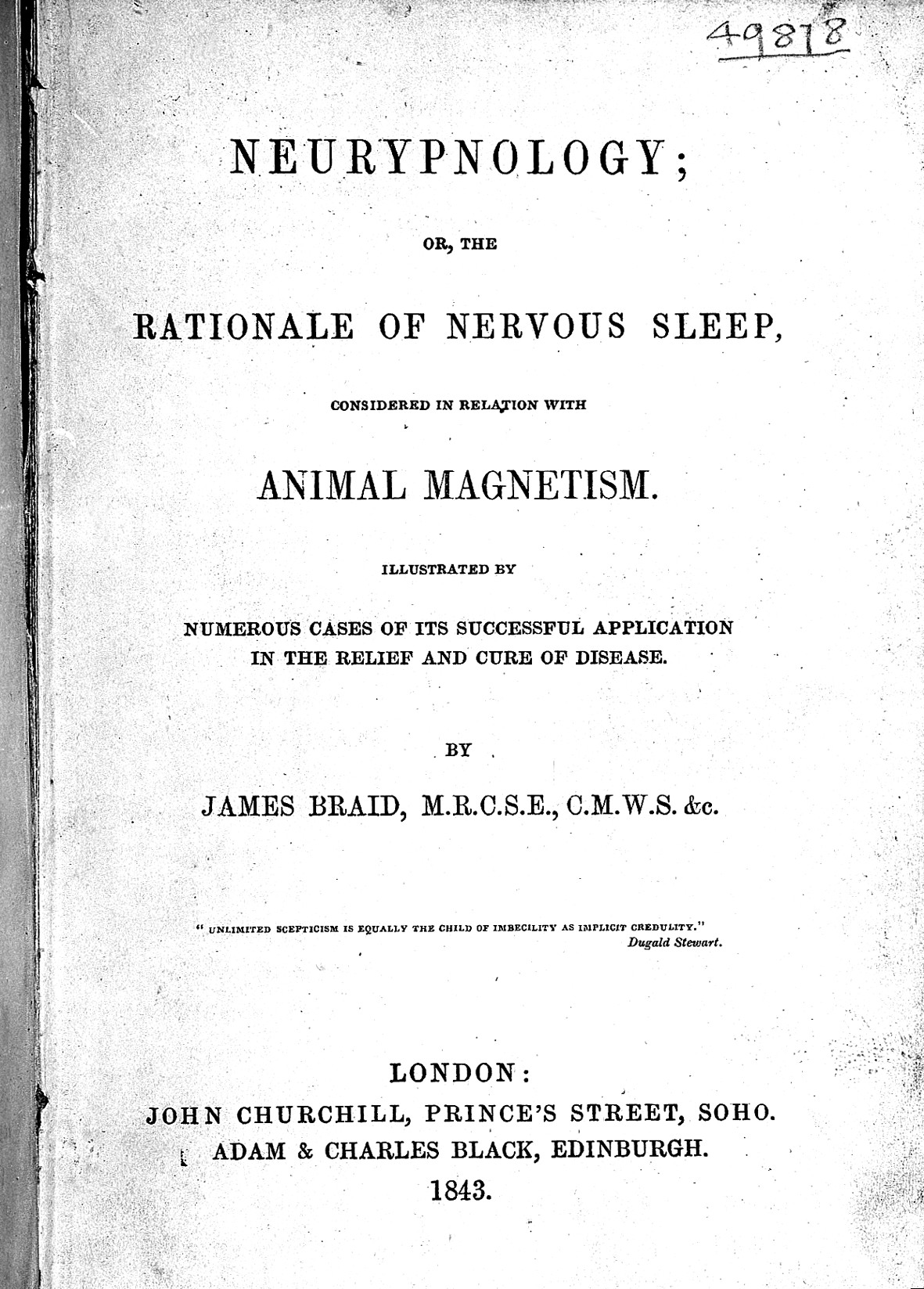
Braid proposed that the hypnotic state arose from physiological mechanisms of attention and fatigue rather than magnetic or mystical influences. He developed practical induction techniques—most famously eye fixation and sustained attention—to produce a trance-like condition that could reduce pain and alter certain functional disorders. His major writings outlined experiments, clinical cases and suggested therapeutic uses.
Works and influence
- Published case reports and experimental studies that popularized a medical understanding of trance.
- Introduced terminology and methods that influenced later clinicians and therapists.
- Prompted debate about suggestion, consciousness and clinical practice in the 19th century.
Braid died in Chorlton-on-Medlock, Manchester, after a period of illness; modern summaries of his death and legacy are available from local archives and specialist accounts (death notice, regional history). His approach laid groundwork for later schools of hypnotherapy and for scientific study into attention, suggestion and placebo effects.
Because his work bridged popular demonstrations and medical practice, James Braid remains a notable figure in the history of psychology and medicine. For further reading, consult scholarly reviews and digitized reproductions of his principal works available from medical history collections and academic summaries (further reading).
Questions and answers
Q: Who was James Braid?
A: James Braid was a Scottish surgeon and hypnotist.
Q: When was James Braid born?
A: James Braid was born in 1795.
Q: Where was James Braid born?
A: James Braid was born in Portmoak, Scotland.
Q: When did James Braid die?
A: James Braid died in 1860.
Q: Where did James Braid die?
A: James Braid died in Chorlton-on-Medlock, Manchester.
Q: Was James Braid's death due to an illness?
A: Yes, James Braid's death was due to an illness.
Q: What was James Braid known for?
A: James Braid was known for being a surgeon and a hypnotist.
Related articles
Author
AlegsaOnline.com James Braid: Scottish Surgeon and Pioneer of Hypnotism Leandro Alegsa
URL: https://en.alegsaonline.com/art/49187
Sources
- oxforddnb.com : oxforddnb.com/view/article/3226