
1791
Events of 1791, a year marked by major constitutional changes: the US Bill of Rights, France’s revolutionary turning points, Poland’s May 3 Constitution, and the start of the Haitian Revolution.
1791 was a year of political, social and cultural upheaval across several regions. In calendar terms it was a common year that began on a Saturday in the Gregorian calendar. More importantly, the year saw decisive constitutional experiments, large-scale revolts and influential works in music and finance that shaped the next decades.
Image gallery
10 Images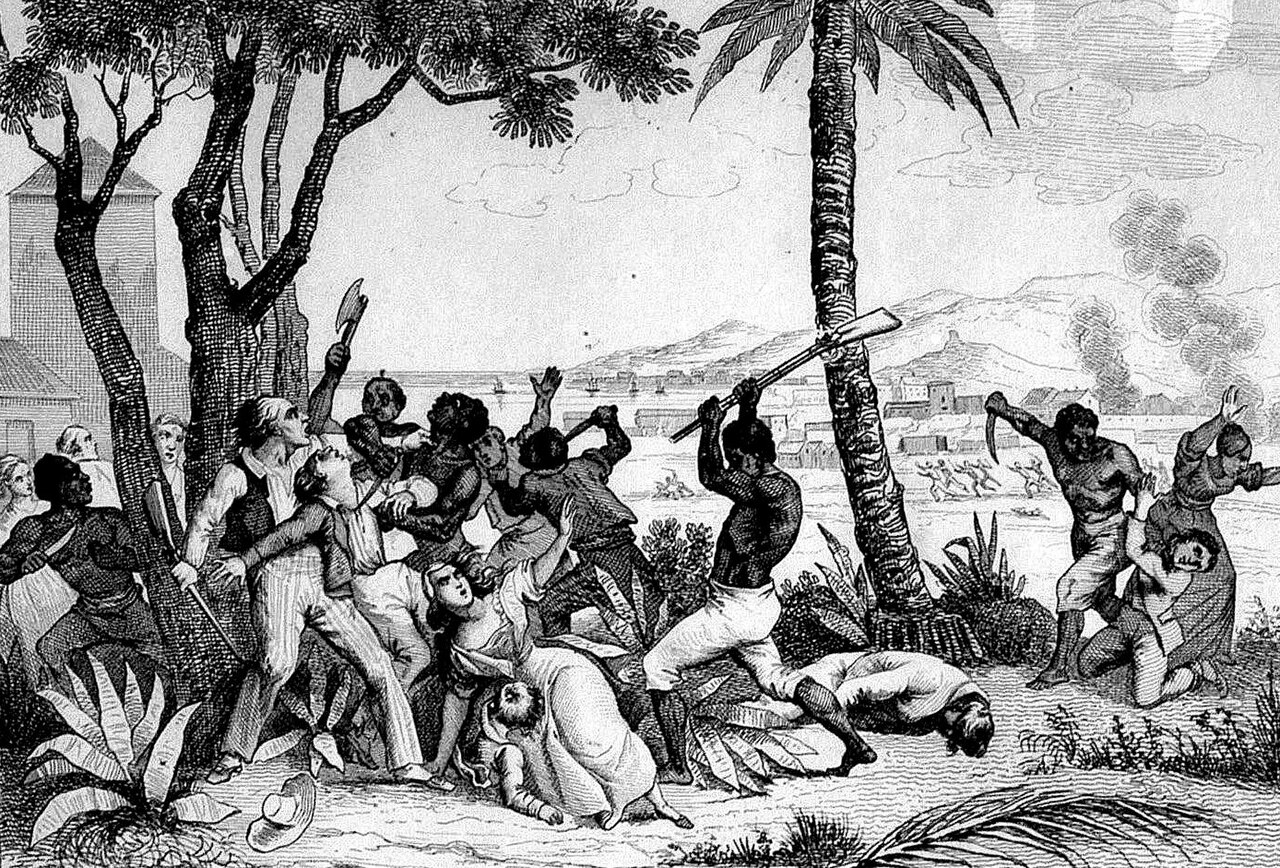


Overview and significance
The events of 1791 illustrate how revolutionary ideas and institutional reform spread and collided. New charters and amendments were adopted in multiple countries, enslaved and colonized populations rose in revolt, and established monarchies confronted limits on royal authority. These developments carried consequences for national sovereignty, human rights debates and the balance of power in Europe and the Americas.
Political and constitutional changes
Several foundational texts and political shifts date to 1791. In the United States the first ten amendments known as the Bill of Rights were ratified, setting explicit protections for individual liberties. In Europe, France moved from revolutionary upheaval toward a constitutional monarchy; the king’s failed attempt to flee the capital further weakened royal authority and accelerated political polarization.
Revolts and international upheaval
The wider Atlantic world saw dramatic unrest. In the Caribbean, a large slave uprising began in the French colony of Saint-Domingue, a violent revolt that would evolve into the Haitian Revolution and eventually produce the first independent Black republic. In eastern Europe, the Polish–Lithuanian Commonwealth adopted the May 3 Constitution, an ambitious reform intended to strengthen state institutions and curb noble privilege.
Culture, institutions and notable facts
1791 also left cultural and institutional legacies. The First Bank of the United States received its charter, helping to organize national finance. In music, Wolfgang Amadeus Mozart completed and premiered major works during the year and died late in 1791, leaving a lasting artistic legacy. These developments show that the year combined legal innovation, economic institution-building and artistic achievement.
Notable events (selection)
- Ratification of the United States Bill of Rights (December) — formalized key civil liberties.
- France: Flight to Varennes (June) and move toward a constitutional monarchy.
- Poland: Adoption of the May 3 Constitution — a major European reform effort.
- Saint-Domingue: August slave uprising that launched the Haitian Revolution.
- Establishment of the First Bank of the United States — early national financial system.
- Deaths and premieres in music, including works by Mozart completed in 1791.
Related articles
Author
AlegsaOnline.com 1791 Leandro Alegsa
URL: https://en.alegsaonline.com/art/111735